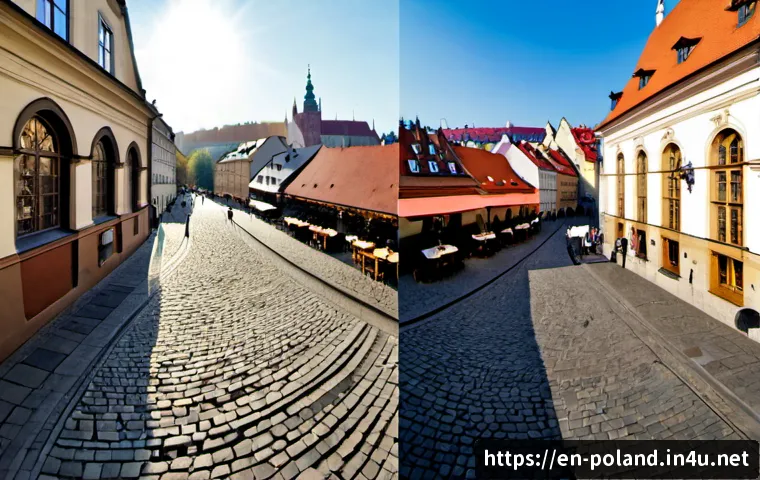
Traveling to Poland offers a wonderful mix of rich history, vibrant culture, and stunning landscapes. However, like any destination, it comes with its own set of nuances that can catch visitors off guard if they’re not prepared.
From navigating local customs to understanding transportation quirks, being aware of these details can make your trip smoother and more enjoyable. Whether you’re planning a short visit or a longer stay, knowing what to watch out for will help you blend in and avoid common pitfalls.
Let’s dive into the key points you should keep in mind to make the most of your Polish adventure. I’ll walk you through everything you need to know!
Understanding Polish Social Etiquette
Greetings and Personal Space
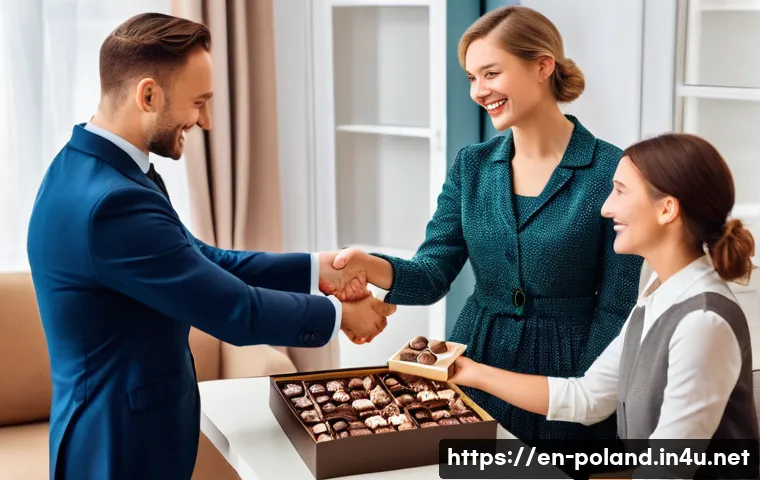
When you first meet someone in Poland, expect a firm handshake accompanied by direct eye contact—that’s the norm and shows respect. Unlike some cultures where cheek kissing or hugging is common on first encounters, Poles tend to keep a bit more personal space initially, especially in formal or professional settings.
Once you get to know someone better, a cheek kiss or warm hug may be appropriate, but it’s best to wait for the other person’s lead. Also, addressing people with formal titles and their last names until invited to use first names is a sign of politeness.
I noticed that slipping into informal language too soon can come across as disrespectful or overly familiar.
Dining Manners and Invitations
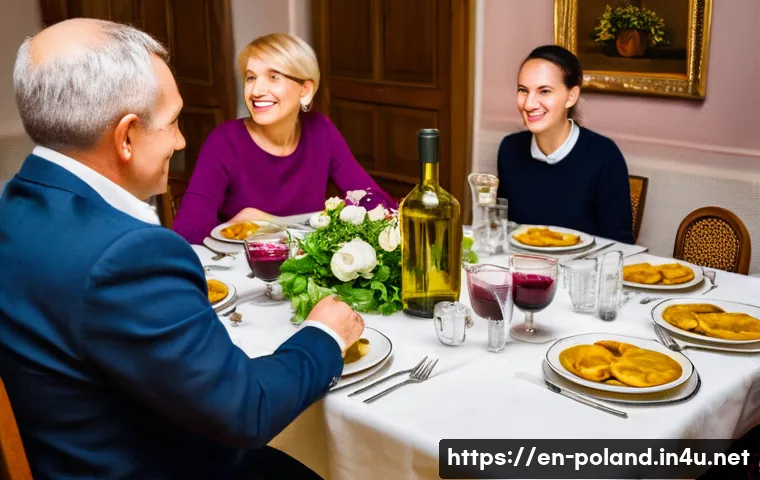
If you’re invited to a Polish home, it’s customary to bring a small gift such as flowers, chocolates, or wine. Poles take pride in hospitality, so you might find yourself offered multiple courses and encouraged to try everything.
It’s polite to accept at least a small portion of each dish. One quirky tip: always keep your hands visible on the table, resting your wrists or forearms rather than your elbows.
Also, don’t start eating until the host says “Smacznego,” which means “enjoy your meal.” During meals, avoid discussing heavy topics like politics or religion unless you know your company well—Polish people appreciate light-hearted and warm conversation around the table.
Communication Style and Body Language
Polish communication tends to be straightforward but polite. Unlike overly expressive cultures, Poles often speak in a calm, measured tone, and they value sincerity.
If someone disagrees, they’ll usually do so respectfully rather than arguing loudly. I found that being patient and listening attentively goes a long way in building rapport.
Also, avoid excessive hand gestures during conversation; subtlety is preferred. If you smile too much or too broadly at strangers, it might be perceived as insincere or odd, so keep your expressions natural.
This cultural nuance was something I had to consciously adapt to, especially coming from a more openly expressive background.
Navigating Public Transportation and Local Travel
Ticketing and Validation Systems
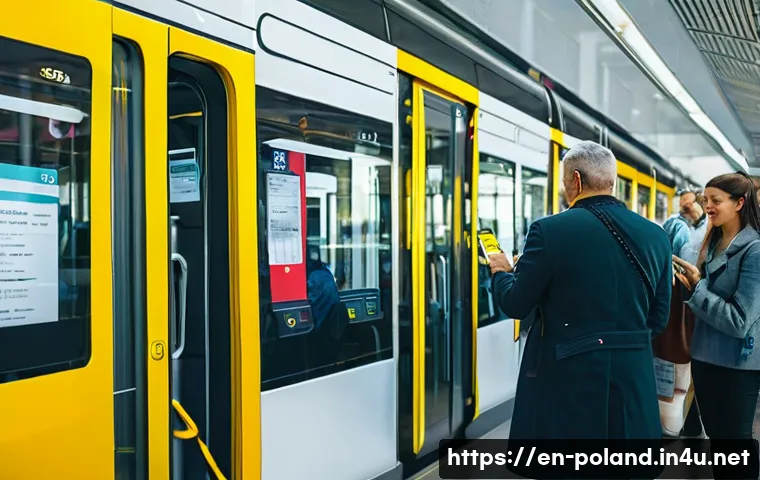
Public transport in Poland, including buses, trams, and metros, is generally reliable and affordable, but there are some quirks to keep in mind. Tickets must be purchased before boarding or at designated kiosks, and they always require validation once you get on.
I learned the hard way that failing to validate your ticket can lead to hefty fines if inspectors board during your ride. Validation machines are usually yellow and clearly marked near the doors, but if you’re unsure, just observe locals or ask politely.
Also, keep your ticket handy until the end of your journey, as random ticket checks are common, especially in bigger cities like Warsaw or Krakow.
Using Ride-Sharing and Taxis
While Uber and Bolt operate widely in Polish cities, traditional taxis are still prevalent. When hailing a taxi on the street, it’s wise to ensure it’s an official one—look for a company logo and a meter inside.
Avoid unmarked cars offering rides as they might overcharge or be unsafe. I found ride-sharing apps more convenient and transparent with pricing, especially when navigating unfamiliar routes.
Another tip: confirm the fare estimate on your app before confirming the ride to avoid surprises. During peak hours or holidays, prices might surge, so plan accordingly.
Long-Distance Travel Tips
For trips between cities, trains and buses are your best bets. Polish trains range from fast intercity services to slower regional ones. Booking tickets in advance online often grants discounts, but if you miss that, buying at the station is still straightforward.
The train stations can be busy, so arrive early to find your platform easily. On buses, the quality varies—some long-distance coaches are modern and comfortable, while others can be cramped.
I personally prefer trains for longer journeys due to their speed and amenities like Wi-Fi. Also, keep an eye on schedules, as delays can happen, especially during winter.
Mastering Local Currency and Payment Methods
Cash vs. Card Usage
Poland primarily uses the Polish złoty (PLN), and while cards are widely accepted in cities, cash remains king in smaller towns and markets. When I first visited, I realized that some places—especially family-run shops or street vendors—only take cash.
ATMs are easy to find but may charge foreign transaction fees, so it’s smart to withdraw larger amounts at once. Contactless payments, including Apple Pay and Google Pay, are gaining popularity and accepted at most chain stores and restaurants.
However, always carry some cash to avoid inconvenience.
Currency Exchange Tips
Avoid exchanging money at airports or in tourist hotspots where rates are less favorable. Instead, use reputable exchange offices (kantor) or withdraw local currency directly from ATMs.
I once exchanged money at a shady booth near a market and ended up with fewer złotys than expected due to hidden fees. When using exchange offices, it’s useful to check the posted rates beforehand and ask if there are any commissions.
Keeping some smaller bills and coins on hand is also helpful for small purchases or tips.
Understanding Tipping Customs
Tipping in Poland is generally expected but not mandatory. In restaurants, a tip of around 10% of the bill is appreciated if service is good. Sometimes, the tip is included in the bill as a service charge—double-check before adding extra.
For taxis, rounding up the fare or leaving a small tip is customary. Hotel staff and tour guides also appreciate tips for excellent service. I found that tipping in cash directly to the person who served you feels more personal and is the preferred method.
Seasonal Considerations and Weather Preparedness
Winter Travel Challenges
Polish winters can be harsh, with temperatures often dipping below freezing and frequent snow. If you’re traveling during this season, pack warm layers, waterproof boots, and accessories like gloves and scarves.
I recall a trip to Zakopane where sudden snowstorms delayed travel and limited outdoor activities, so checking weather forecasts regularly is crucial.
Public transport can experience delays, and some mountain trails may be closed for safety. Still, winter offers beautiful snowy landscapes and festive Christmas markets that make the cold worthwhile.
Summer and Tourist Crowds
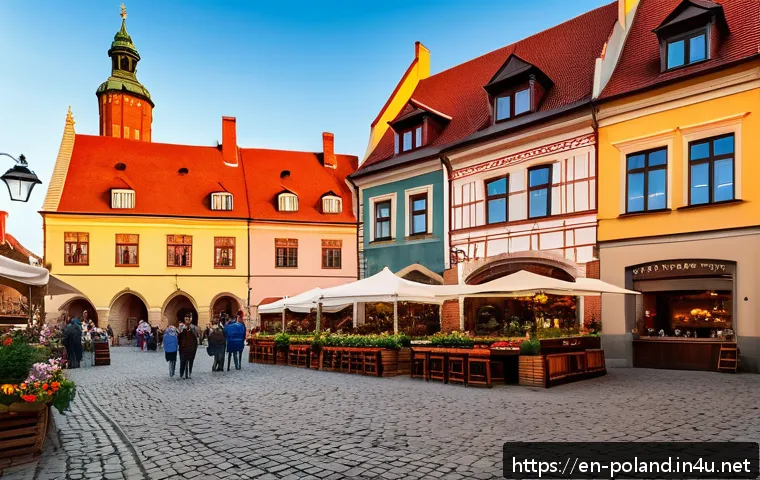
Summers in Poland are warm and pleasant, perfect for exploring cities and nature alike. However, this is peak tourist season, so expect crowded attractions, especially in Krakow’s Old Town or the Baltic coast.
Booking accommodation and popular tours well in advance is essential. I noticed that summer evenings are lively with outdoor cafes and festivals, providing a great atmosphere but also higher prices.
Don’t forget sunscreen and a reusable water bottle, as walking and sightseeing under the sun can be dehydrating.
Transitional Seasons and Packing Tips
Spring and autumn offer milder weather and fewer tourists, making them ideal for those who prefer quieter trips. However, these seasons can be unpredictable, with sudden rain showers and fluctuating temperatures.
Bringing a versatile wardrobe, including a waterproof jacket and layers, will keep you comfortable. I often carry a compact umbrella and quick-dry clothes during these times.
The changing colors of fall foliage or blooming spring gardens add an extra charm to your visit, and many cultural events take place during these shoulder seasons.
Safety and Health Precautions
Staying Safe in Urban Areas
Poland is generally safe for travelers, but like any country, petty crime such as pickpocketing can occur, especially in crowded tourist spots and public transport.
I always keep my valuables close and use a money belt or inside jacket pocket when exploring busy areas. Avoid flashing expensive gadgets or large amounts of cash.
At night, some neighborhoods may feel less secure, so it’s best to stick to well-lit streets and use registered taxis or ride-sharing apps when moving around late.
Health Services and Emergency Numbers
Healthcare in Poland is of good quality, with public hospitals and private clinics widely available. EU citizens can use their European Health Insurance Card (EHIC) for basic services, but travel insurance is highly recommended to cover additional costs.
Pharmacies are plentiful and often have English-speaking staff. In case of emergency, dial 112 for ambulance, police, or fire services. I found it helpful to save the address of your accommodation and key phrases in Polish on your phone to communicate easily if needed.
Tips for Travelers with Special Needs
While major cities have improved accessibility, some historic sites or older buildings may present challenges for those with mobility issues. Public transport is gradually becoming more wheelchair-friendly, but it’s wise to check in advance.
I once arranged a guided tour that specifically catered to accessibility needs, which made the experience much smoother. For allergies or dietary restrictions, larger restaurants and supermarkets offer a good variety of options, but always communicate your needs clearly.
Learning a few basic Polish phrases related to health or allergies can be a lifesaver.
Essential Polish Phrases and Language Tips
Basic Greetings and Polite Expressions
Knowing simple phrases like “Dzień dobry” (Good day), “Proszę” (Please), and “Dziękuję” (Thank you) instantly earns goodwill from locals. Poles appreciate when visitors make an effort to speak their language, even if it’s just a few words.
I found that starting conversations with a polite greeting often led to warmer and more helpful interactions. Avoid assuming everyone speaks English, especially outside major cities, and carry a phrasebook or translation app for convenience.
Handling Directions and Transportation Queries
Asking for directions in Polish can be intimidating, but locals are usually willing to help if you approach politely. Phrases like “Gdzie jest…?” (Where is…?) and “Jak dojadę do…?” (How do I get to…?) come in handy.
When using public transport, knowing terms like “przystanek” (stop) and “bilet” (ticket) can make your journey less stressful. I once got lost in a smaller town but managed to find my way back thanks to a friendly shopkeeper who spoke a bit of English and used gestures.
Overcoming Language Barriers
While many younger Poles speak English well, older generations might not, especially in rural areas. Using translation apps, gestures, and patience helps bridge the gap.
Sometimes, a smile and a little humor go a long way in easing communication. I’ve learned that being open-minded and not expecting perfection in language exchanges creates a more relaxed and enjoyable experience for everyone involved.
| Category | Key Tips | Common Mistakes to Avoid |
|---|---|---|
| Social Etiquette | Use formal titles, wait for host to start eating, keep hands visible | Being overly informal too soon, starting meals without prompt, excessive smiling |
| Transportation | Validate tickets, prefer ride-sharing apps, book trains early | Riding without ticket validation, using unmarked taxis, ignoring schedule changes |
| Currency | Carry cash for small vendors, use reputable exchange offices, tip ~10% | Exchanging at airports, relying solely on cards in small towns, skipping tips |
| Weather | Pack layers, check forecasts, prepare for snow in winter | Underestimating winter cold, ignoring seasonal crowds, unprepared for rain |
| Safety | Keep valuables secure, use emergency number 112, get travel insurance | Displaying valuables openly, walking alone in unsafe areas at night, no insurance |
| Language | Learn basic Polish phrases, use polite greetings, carry translation tools | Assuming everyone speaks English, not greeting locals, impatience with communication |
In Conclusion
Understanding Polish customs and daily life nuances enriches your travel experience and helps you connect more genuinely with locals. From respectful greetings to navigating transportation and managing money smartly, each detail matters. Embracing these insights makes your visit smoother and more enjoyable. Ultimately, showing respect and openness goes a long way in any culture, and Poland is no exception.
Useful Information to Keep in Mind
1. Always use formal titles and wait for the host’s lead before becoming informal to show respect in social settings.
2. Validate your public transport tickets promptly to avoid fines and keep your ticket handy throughout your journey.
3. Carry some cash for small vendors and markets, as card acceptance may be limited outside major cities.
4. Prepare for seasonal weather changes by packing layers and checking forecasts regularly, especially in winter.
5. Learn a few basic Polish phrases and polite expressions to build rapport and ease communication with locals.
Key Takeaways
Respectful social etiquette, such as formal greetings and dining manners, forms the foundation of positive interactions in Poland. When using transportation, always validate tickets and prefer official services for safety and convenience. Managing money wisely by combining cash and card use helps avoid unnecessary hassles. Seasonal weather demands proper preparation, especially during cold winters and busy summer months. Lastly, staying vigilant about safety and health precautions ensures a worry-free trip while making the most of your Polish adventure.
Frequently Asked Questions (FAQ) 📖
Q: What are some important cultural customs to keep in mind when visiting Poland?
A: When visiting Poland, it’s helpful to remember a few key customs to show respect and blend in smoothly. For example, Poles typically greet with a firm handshake and maintain good eye contact.
When entering someone’s home, it’s customary to remove your shoes and bring a small gift like flowers or chocolates. Also, addressing people with their titles and last names until invited to use first names is a sign of politeness.
Being aware of these nuances can really enhance your interactions and help you connect better with locals.
Q: How reliable and convenient is public transportation in Poland for tourists?
A: Public transportation in Poland is generally reliable and quite affordable, especially in major cities like Warsaw, Krakow, and Gdansk. Trams, buses, and trains run frequently, but it’s important to buy tickets before boarding and validate them once on board to avoid fines.
For longer distances, Poland’s train network is comfortable and connects most major destinations efficiently. That said, some rural areas might have less frequent services, so planning ahead or using ride-sharing apps can be a smart move.
From my experience, using public transit is a great way to get around and soak up the local atmosphere.
Q: Are there any common travel pitfalls I should watch out for in Poland?
A: One common pitfall is underestimating how chilly Polish weather can get, even in spring or fall, so packing layers is key. Another is assuming English is widely spoken outside big cities; while younger Poles often speak some English, it’s handy to learn a few basic Polish phrases or have a translation app ready.
Also, be cautious when exchanging money—avoid street exchangers and opt for official exchange offices or ATMs to get fair rates. Taking these simple precautions can save you from inconvenience and make your trip much more enjoyable.