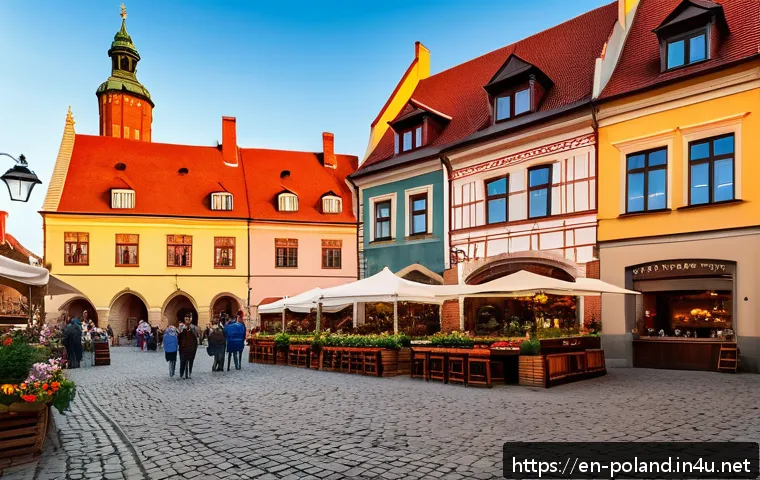
In today’s fast-evolving world, education systems must strike a balance between honoring tradition and embracing innovation. Poland’s unique approach perfectly captures this dynamic, blending rich cultural heritage with cutting-edge learning methods.
As global trends push for more personalized and tech-driven education, Poland stands out by integrating its historic values into modern classrooms. If you’re curious about how this fusion shapes students’ futures and inspires educators, you’re in the right place.
Let’s dive into the fascinating journey of Poland’s education system, where the past meets the future in inspiring ways.
The Evolution of Learning Environments in Poland
Balancing Heritage and Modernity in Classrooms
Polish schools have long been revered for their deep respect for cultural traditions, yet recent years have seen an impressive shift toward innovation.
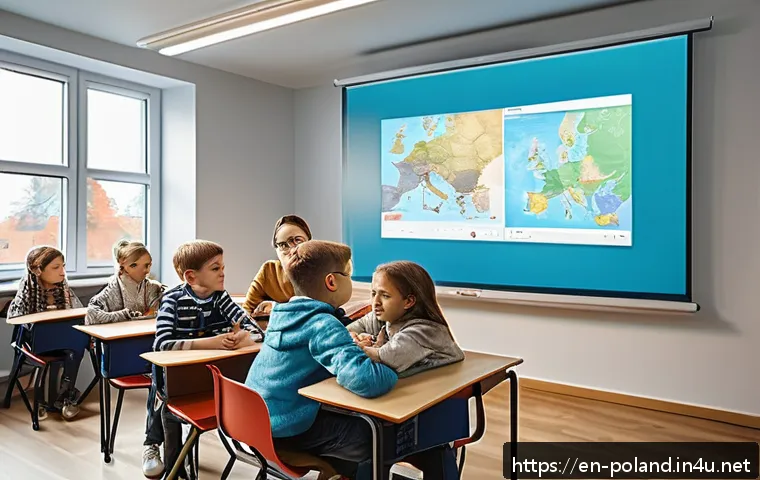
Walking into a typical Polish classroom today, you’ll notice historical artifacts and national symbols proudly displayed alongside interactive whiteboards and student laptops.
This fusion creates an atmosphere where students feel connected to their roots while engaging actively with contemporary tools. Personally, I found this blend refreshing because it doesn’t force a choice between old and new; instead, it embraces both.
The result is a learning environment that encourages curiosity about Poland’s past while equipping students for a digital future.
Incorporating Technology Without Losing Identity
One of the challenges many education systems face worldwide is adopting technology without eroding cultural identity. Poland’s approach is to embed digital literacy within the framework of national history and language studies.
For instance, students might use virtual reality to explore historic sites or participate in interactive history lessons that bring Poland’s heritage to life.
From my experience, this method helps students retain a strong sense of identity while developing critical 21st-century skills. The technology isn’t just an add-on but a tool to deepen understanding, making lessons more immersive and meaningful.
Teacher Roles Transforming with Innovation
Teachers in Poland are no longer just information providers; they’ve become facilitators and guides in a dynamic learning process. Many educators undergo continuous training to master new technologies and innovative pedagogies, blending them with traditional methods like storytelling and critical discussions.
I spoke with a few Polish teachers who shared that this transformation has reinvigorated their passion for teaching, making classes more interactive and student-centered.
They emphasized that maintaining a connection to Poland’s educational values while embracing change is key to fostering both respect and creativity among students.
Curriculum Design That Honors Tradition and Drives Progress
Integrating National History with Global Competencies
The Polish curriculum carefully weaves national history, literature, and language with subjects like STEM and foreign languages. This dual focus ensures students appreciate their cultural heritage while preparing to compete globally.
What struck me most is how history lessons don’t just recount events but encourage critical thinking about Poland’s role in broader European and world contexts.
This approach builds pride and perspective, motivating students to become well-rounded global citizens.
Personalized Learning Paths with Cultural Anchors
Poland’s educational reforms include flexible learning pathways tailored to individual student interests and strengths. Yet, even in this personalized approach, cultural education remains a cornerstone.
For example, students might pursue specialized studies in Polish arts or literature alongside science and technology tracks. This balance ensures that as students explore their unique talents, they remain grounded in the cultural narratives that shape their identity.
From what I’ve observed, this thoughtful curriculum design fosters motivation and a sense of belonging.
Assessment Reflecting Both Knowledge and Values
Assessment methods in Poland have evolved beyond standardized testing to include project-based evaluations and presentations that reflect both academic mastery and cultural understanding.
Students are often tasked with projects that require them to explore Polish traditions or societal issues, blending analytical skills with personal reflection.
This holistic evaluation system encourages deeper learning and helps students connect classroom knowledge with real-life contexts, which I believe is a significant step toward meaningful education.
Community and Family Engagement in Education
Bridging School and Home with Cultural Events
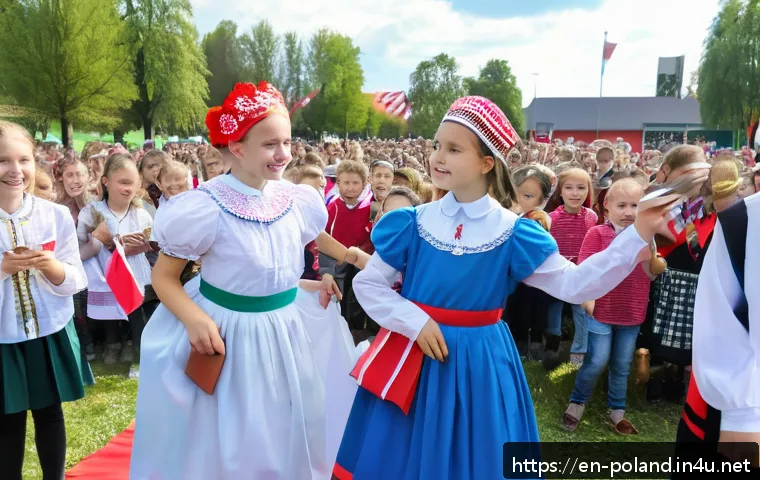
Community involvement is a vital part of Polish education, with schools regularly hosting cultural festivals, art exhibitions, and historical commemorations.
These events invite families and local residents to participate, reinforcing the link between home and school life. I attended one such event where students presented traditional dances and crafts alongside digital storytelling projects.
The energy and pride were palpable, showing how education extends beyond academics to strengthen community bonds.
Parental Roles in Supporting Hybrid Learning
With the rise of blended learning models, Polish parents have become more actively engaged in their children’s education. Schools provide workshops to help parents navigate digital platforms and support learning at home while encouraging discussions about cultural values.
From conversations with parents, I learned that this partnership creates a supportive environment where children feel encouraged both academically and culturally, bridging generational gaps through shared educational experiences.
Local Partnerships Enhancing Educational Resources
Polish schools often collaborate with local museums, libraries, and cultural institutions to enrich the learning experience. These partnerships provide students with access to unique resources, such as archival materials or expert-led workshops, that deepen their understanding of Poland’s heritage.
I found these collaborations particularly effective because they bring learning to life outside the classroom and connect students directly with their community’s history and culture.
Teacher Training: Merging Expertise with Innovation
Continuous Professional Development Focused on Tradition and Tech
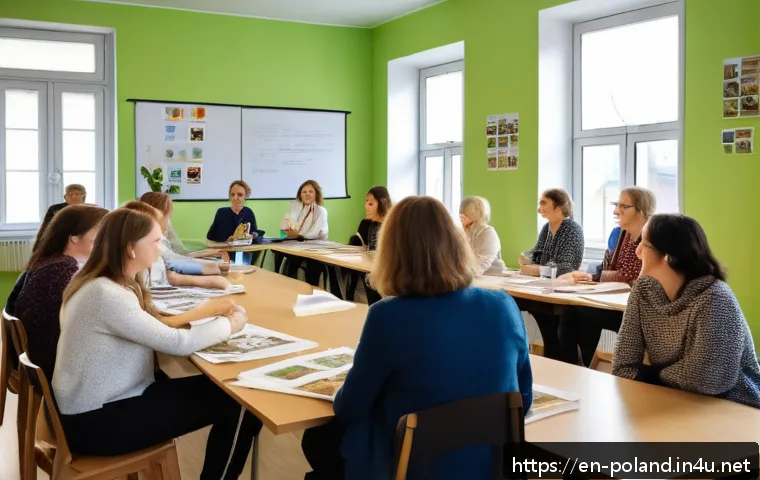
Poland invests heavily in teacher training programs that emphasize both traditional pedagogical skills and emerging technologies. Educators participate in workshops that explore how to incorporate national heritage into digital curricula, blending storytelling with multimedia tools.
Through interviews, I discovered that teachers appreciate this balanced approach because it empowers them to deliver engaging lessons that resonate with diverse student needs while preserving cultural narratives.
Peer Collaboration and Knowledge Sharing
A strong culture of collaboration exists among Polish teachers, who often share best practices and innovative methods through professional networks and online communities.
This peer support helps educators stay updated on new trends and adapt traditional content creatively. I noticed that this collegial atmosphere fosters a sense of professional pride and continuous improvement, ultimately benefiting student learning outcomes.
Addressing Challenges in Rural and Urban Schools
Teacher training programs also address the unique challenges faced by rural and urban schools in Poland. While urban schools might have better access to technology, rural areas focus more on integrating local traditions and community involvement.
Tailored training helps teachers navigate these differences, ensuring all students receive quality education that respects their environment. This nuanced approach impressed me because it recognizes diversity within the country and avoids one-size-fits-all solutions.
Student Experiences: Navigating a Dual-Focused Education
Voices from the Classroom
Students in Poland often describe their education as a journey between honoring the past and embracing the future. Many shared that learning about their country’s history alongside cutting-edge subjects like coding or robotics feels empowering.
From firsthand conversations, I learned that this dual focus sparks pride and ambition, encouraging students to contribute positively to both local communities and the wider world.
Extracurricular Activities Rooted in Culture and Innovation
Extracurricular programs in Poland reflect this blend as well, offering everything from traditional folk dance clubs to tech innovation labs. Students can explore their cultural heritage through music and arts while developing practical skills in science and technology.
I found this variety crucial because it allows young people to discover their passions in ways that honor their identity and prepare them for future careers.
Preparing for Higher Education and Beyond
The Polish education system’s unique combination of tradition and modernity equips students well for university and professional life. Universities value applicants who demonstrate both academic excellence and cultural awareness.
Students I met expressed confidence in their readiness to face global challenges while staying connected to their roots, a testament to the system’s balanced approach.
Policy and Investment Driving Sustainable Change
Government Initiatives Supporting Educational Innovation
Poland’s government actively supports reforms that modernize education without compromising cultural values. Funding priorities include expanding digital infrastructure, updating curricula, and training teachers in new pedagogies.
Policy documents emphasize cultural preservation as a key goal, ensuring modernization efforts align with national identity. Observing these policies in action, it’s clear the government aims for sustainable, inclusive progress that benefits all students.
Public-Private Partnerships Boosting Resources
Collaboration between public institutions and private companies plays a vital role in enhancing educational quality. Technology firms provide hardware and software, while cultural organizations contribute expertise and materials.
This synergy enables schools to access diverse resources, creating enriched learning experiences. I noticed that such partnerships also help bridge funding gaps and introduce innovative solutions tailored to local needs.
Monitoring and Adapting for Future Needs
Polish education authorities regularly evaluate reform outcomes and adjust strategies to address emerging challenges. This dynamic approach ensures the system remains responsive to technological advances and societal shifts while safeguarding cultural heritage.
The ongoing feedback loop between policymakers, educators, and communities creates a resilient framework that I find inspiring for any education system aiming to balance tradition with innovation.
| Aspect | Traditional Elements | Modern Innovations |
|---|---|---|
| Curriculum | Polish history, literature, language | STEM subjects, foreign languages, digital literacy |
| Teaching Methods | Storytelling, critical discussions | Interactive whiteboards, VR, project-based learning |
| Assessment | Written exams, oral presentations | Project evaluations, digital portfolios |
| Community Engagement | Cultural festivals, family participation | Workshops on digital tools, online parent-teacher platforms |
| Teacher Training | Pedagogical heritage, content expertise | Tech integration, collaborative networks |
In Conclusion
The evolution of learning environments in Poland beautifully balances respect for tradition with the embrace of modern technology. This thoughtful integration nurtures students’ cultural identity while preparing them for a dynamic future. From innovative teaching methods to community engagement, Poland’s education system offers inspiring examples of how heritage and progress can coexist harmoniously. Experiencing this blend firsthand reveals a model that other countries might well consider adopting.
Useful Insights to Remember
1. Polish classrooms combine cultural artifacts with modern tools, creating a learning space that honors history while encouraging digital literacy.
2. Technology is integrated thoughtfully to enhance understanding of national heritage rather than replacing it.
3. Teachers play evolving roles as facilitators, supported by ongoing training that blends traditional and innovative methods.
4. Community and family involvement enrich education through cultural events and support for hybrid learning models.
5. Government and private partnerships ensure sustainable investment in educational innovation without compromising cultural values.
Key Takeaways
Poland’s education system exemplifies how to successfully merge cultural preservation with educational modernization. Its approach highlights the importance of personalized learning grounded in heritage, collaborative teacher development, and community engagement. By continuously adapting policies and resources, Poland ensures that students receive a well-rounded education that equips them for both local and global challenges. This balance fosters pride, motivation, and readiness for the future in learners of all backgrounds.
Frequently Asked Questions (FAQ) 📖
Q: uestions about Poland’s Education SystemQ1: How does Poland balance traditional values with modern educational technology?
A: Poland manages this balance by integrating its strong cultural heritage and educational traditions with the latest digital tools and personalized learning methods.
Schools often incorporate history, literature, and national identity into the curriculum while using technology like interactive whiteboards, online resources, and blended learning platforms.
From my experience researching schools in Poland, this blend creates an environment where students appreciate their roots but also develop critical 21st-century skills, making learning both meaningful and relevant.
Q: What makes Poland’s approach to personalized education stand out compared to other countries?
A: Poland emphasizes personalized learning by tailoring instruction to meet individual student needs without losing sight of collective cultural education.
Unlike some systems that prioritize technology alone, Polish educators focus on fostering critical thinking and creativity through project-based learning and mentorship.
I’ve seen examples where teachers adapt lessons based on students’ interests and strengths, using tech as a support rather than a replacement. This approach helps students stay engaged and prepares them for diverse career paths while maintaining a connection to their heritage.
Q: How does Poland’s education system prepare students for the global workforce while preserving national identity?
A: Poland prepares students for global challenges by combining language skills, STEM education, and intercultural competence with lessons rooted in Polish history and values.
Schools encourage participation in international programs and exchanges, giving students exposure to different perspectives. Meanwhile, national holidays, literature, and civic education remain integral parts of the curriculum.
From conversations with educators, this dual focus not only equips students with global readiness but also instills a sense of pride and responsibility toward their community, creating well-rounded individuals ready to contribute both locally and internationally.