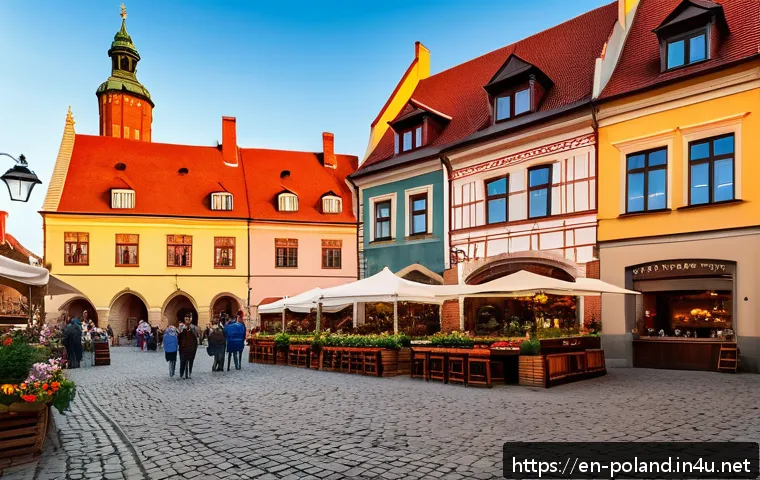
As Poland navigates the complexities of the 21st century, its religious landscape is evolving in fascinating ways. While deeply rooted in centuries-old Catholic traditions, new faiths and spiritual movements are beginning to shape the country’s cultural identity.
Whether you’re curious about how these shifts impact everyday life or interested in the broader European religious trends, this exploration offers fresh insights.
Join me as we uncover the layers of Poland’s spiritual fabric, revealing stories that go beyond the headlines. This journey promises to enrich your understanding of a nation balancing heritage with modernity.
Modern Spirituality and Emerging Faiths in Poland
New Religious Movements Gaining Momentum
In recent years, Poland has witnessed a subtle yet noticeable rise in alternative spiritual practices and new religious movements. While Catholicism remains dominant, many Poles, especially younger generations, are exploring paths such as New Age spirituality, paganism, and various forms of Eastern mysticism.
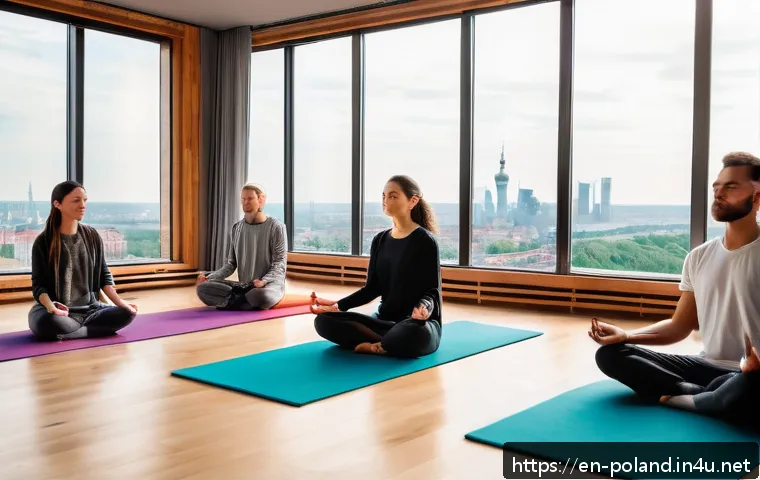
This trend reflects a broader European curiosity about personal spiritual experiences rather than traditional dogmas. I’ve noticed that in urban centers like Warsaw and Kraków, workshops on meditation, yoga, and holistic healing attract growing crowds.
These gatherings often emphasize inner peace and self-discovery, contrasting with the structured rituals of Catholicism. This shift doesn’t necessarily mean abandoning old beliefs; instead, it often represents a blending of old and new, creating a unique spiritual tapestry.
The Role of Protestant and Orthodox Communities
Although Poland is overwhelmingly Catholic, Protestant and Orthodox minorities contribute significantly to the religious landscape. Protestant churches, mainly Evangelical and Pentecostal denominations, have been steadily growing, especially in regions close to Germany and Slovakia.
Their emphasis on charismatic worship and community engagement appeals to those seeking a more vibrant and personal faith experience. Meanwhile, the Orthodox Christian population, largely concentrated in eastern Poland, maintains deep historical roots.
These communities preserve ancient liturgical traditions and often serve as cultural anchors for ethnic minorities. From my conversations with locals, it’s clear that these groups play a vital role in fostering religious diversity and dialogue within the country.
Secularization and Changing Attitudes Toward Faith
Poland’s younger population is increasingly identifying as secular or non-religious, a trend that mirrors shifts seen throughout Europe. This doesn’t always equate to atheism but rather a more individualized approach to spirituality and morality.
Many young Poles express skepticism toward organized religion, often citing past church scandals or a desire for personal autonomy. Yet, this secularization coexists with strong cultural Catholicism, where traditions like Christmas and Easter retain immense social significance, even among the non-practicing.
In my experience, this duality creates a complex religious identity where faith is both questioned and cherished, depending on personal and communal contexts.
Interfaith Dialogue and Cultural Exchange
Bridging Communities Through Shared Values
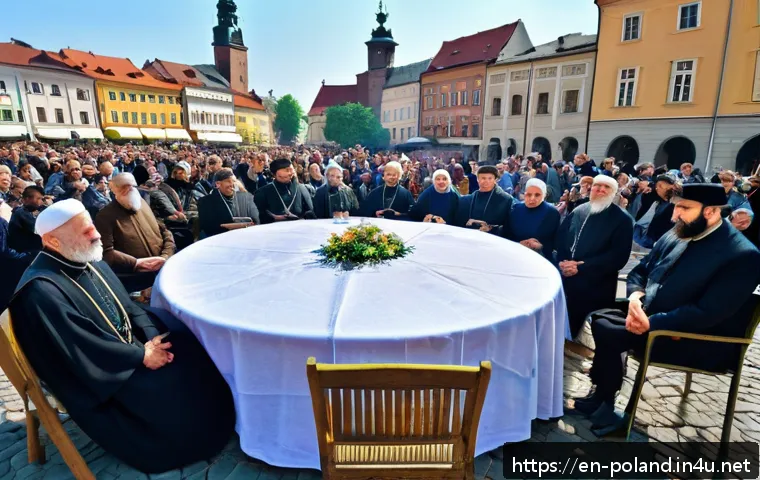
Poland’s evolving religious landscape has sparked increased interfaith dialogue, aiming to build bridges between diverse communities. Events and forums promoting mutual understanding between Catholics, Protestants, Orthodox Christians, Jews, Muslims, and secular groups have become more common.
These gatherings focus on shared humanitarian values such as charity, social justice, and peacebuilding. From attending some of these events, I’ve observed a genuine eagerness among participants to move beyond historical grievances and stereotypes, fostering a more inclusive society.
This intercultural exchange is not only about religion but also about enriching Poland’s social fabric in an increasingly globalized world.
Challenges and Opportunities in Religious Coexistence
Despite positive developments, challenges remain in achieving harmonious coexistence. Some segments of society resist religious pluralism, often fueled by nationalist rhetoric or fear of cultural dilution.
However, civil society organizations and progressive faith leaders actively counter these narratives by promoting education and empathy. The rise of digital platforms has also provided new avenues for dialogue and community-building across religious divides.
Personally, I’ve seen how social media campaigns and local initiatives empower younger generations to embrace diversity while respecting their heritage, offering hope for a more tolerant future.
The Influence of Catholicism on Polish Society Today
Catholicism as a Cultural Backbone
Catholicism in Poland transcends religion; it is deeply woven into the nation’s identity, history, and politics. From my visits to small towns to bustling cities, the presence of the Church is unmistakable—cathedrals dominate skylines, religious festivals fill calendars, and Catholic values influence public discourse.
Many Poles take pride in their faith as a symbol of resilience, especially recalling the Church’s role during communist times. This cultural backbone shapes social norms, education, and even legislation.
However, the Church also faces pressure to modernize and address contemporary issues such as gender equality and LGBTQ+ rights, sparking heated debates within society.
Church and State: Navigating Modern Challenges
Poland’s relationship between church and state is complex and evolving. While the Catholic Church retains considerable influence, recent years have seen growing calls for separation and secular governance.
Political movements often align themselves with religious factions, creating a dynamic where faith and policy intersect deeply. I’ve noticed that this interplay can both unify and divide communities, depending on the issue at hand.
For example, debates on reproductive rights reveal stark contrasts in public opinion, reflecting broader tensions between tradition and progress. Observing this, it’s clear that Poland is at a crossroads where balancing religious heritage with democratic pluralism remains a delicate task.
The Role of Pilgrimage and Religious Tourism
Popular Pilgrimage Sites and Their Significance
Poland’s rich religious heritage is beautifully embodied in its pilgrimage sites, drawing millions annually. Places like Jasna Góra Monastery in Częstochowa, home to the revered Black Madonna icon, are not just spiritual centers but also cultural landmarks.
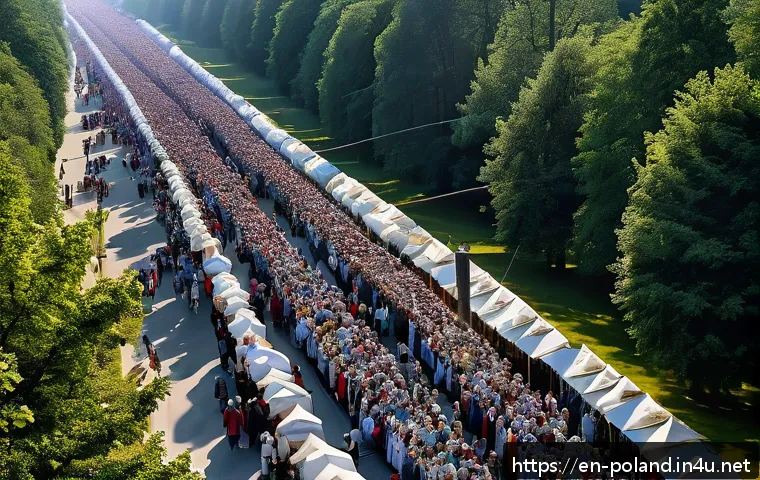
Pilgrimage here is both a personal journey of faith and a collective act of national identity. I recall the atmosphere during major pilgrimages—thousands of people walking for days, sharing stories, prayers, and songs.
These events foster a strong sense of community and renewal. Beyond Jasna Góra, other sites such as Kalwaria Zebrzydowska and the Divine Mercy Sanctuary in Kraków also attract visitors seeking spiritual solace or cultural connection.
Economic and Social Impact of Religious Tourism
Religious tourism contributes significantly to local economies, supporting hospitality, retail, and cultural preservation. Towns hosting pilgrimage sites often experience seasonal boosts, leading to job creation and infrastructure development.
From a social perspective, these gatherings promote intercultural exchange and community cohesion. However, managing the influx of tourists also poses challenges, including environmental strain and commercialization risks.
In my conversations with local business owners, many express pride in sharing their heritage but emphasize the need for sustainable practices to protect these sacred spaces for future generations.
The Growing Presence of Non-Christian Religions
Islam and the Muslim Community in Poland
Though a minority, the Muslim community in Poland has been steadily growing, primarily through immigration and refugee resettlement. This community enriches the religious landscape with diverse cultural traditions and perspectives.
Mosques and cultural centers have been established in major cities, fostering dialogue and education about Islam. I’ve had the chance to attend interfaith events where Muslim leaders emphasize common values like charity and compassion, helping to bridge gaps in understanding.
Despite occasional challenges with prejudice, many Poles are increasingly open to learning about Islam, especially younger generations who embrace multiculturalism.
Other Faiths and Their Emerging Footprints
Beyond Islam, other non-Christian religions such as Buddhism, Hinduism, and Judaism maintain active, though smaller, communities. Buddhist meditation centers and Hindu cultural associations are gaining visibility, particularly among those interested in Eastern philosophies.
The Jewish community, with deep historical roots in Poland, continues to preserve its heritage through cultural festivals, museums, and synagogues, contributing to the country’s rich mosaic.
From my observations, these faiths often attract people seeking spiritual alternatives or connections to global cultures, reflecting Poland’s gradual opening to religious plurality.
| Religion/Spiritual Movement | Estimated Population Percentage | Key Regions | Main Characteristics |
|---|---|---|---|
| Roman Catholicism | ~85% | Nationwide | Traditional rituals, cultural identity, dominant faith |
| Protestantism | 2-3% | Western and Southern Poland | Charismatic worship, growing communities |
| Orthodox Christianity | 1-2% | Eastern Poland | Ancient liturgical traditions, ethnic minority presence |
| Islam | <1% | Major cities | Growing immigrant communities, cultural centers |
| New Age and Paganism | Increasing but small | Urban areas | Personal spirituality, holistic practices |
| Secular/Non-religious | 10-15% | Urban youth | Individualized spirituality, skepticism toward organized religion |
In Conclusion
Poland’s spiritual landscape is evolving in fascinating ways, blending deep-rooted Catholic traditions with emerging faiths and secular perspectives. This dynamic mix reflects the country’s ongoing dialogue between heritage and modernity. Observing these shifts reveals a society that values both continuity and change, offering a rich tapestry of belief and identity for future generations to explore.
Helpful Information to Keep in Mind
1. Poland remains predominantly Catholic, but younger generations are increasingly exploring alternative spiritual paths like New Age practices and Eastern mysticism.
2. Protestant and Orthodox communities, though minorities, play important roles in enriching Poland’s religious diversity and cultural dialogue.
3. Secularization is rising among urban youth, who often balance skepticism of organized religion with respect for cultural traditions.
4. Interfaith dialogue initiatives are growing, promoting understanding and cooperation across different religious and non-religious groups.
5. Religious tourism, especially pilgrimages, continues to impact local economies and fosters a strong sense of community and cultural preservation.
Key Takeaways
Poland’s religious identity is complex and multi-layered, shaped by a dominant Catholic heritage alongside emerging new faiths and secular trends. The country is experiencing both challenges and opportunities as it navigates religious pluralism, cultural change, and political influences. Interfaith cooperation and respectful dialogue appear crucial for fostering social harmony. Meanwhile, traditional religious practices and pilgrimage remain vital cultural pillars, highlighting the enduring role of faith in Polish society.
Frequently Asked Questions (FAQ) 📖
Q: How is Poland’s religious landscape changing in the 21st century?
A: Poland’s religious landscape is gradually diversifying beyond its strong Catholic roots. While Catholicism remains the dominant faith, there is a noticeable rise in alternative spiritual movements, Protestant communities, and secularism, especially among younger generations.
This shift reflects broader European trends where tradition meets modernity, influencing cultural practices and social attitudes across the country.
Q: What impact do these religious changes have on everyday life in Poland?
A: These evolving religious dynamics influence everything from social values and holidays to political debates and education. For example, while many still observe Catholic traditions, increasing openness to other faiths and secular perspectives is fostering more inclusive communities and dialogue.
This blend sometimes creates tension but also encourages greater understanding and cultural exchange in workplaces, schools, and public spaces.
Q: How does Poland’s religious evolution compare to broader European trends?
A: Poland shares common ground with much of Europe in experiencing a decline in traditional church attendance and a rise in religious pluralism and secularism.
However, Poland’s strong Catholic identity still sets it apart, making the pace of change somewhat slower and more complex. The country is navigating a unique balance between preserving heritage and embracing new spiritual expressions, reflecting a broader continental shift but with distinctly Polish nuances.