With travel trends shifting towards immersive, slow-paced adventures, exploring Poland on foot offers an unbeatable way to connect deeply with its vibrant culture and stunning landscapes.
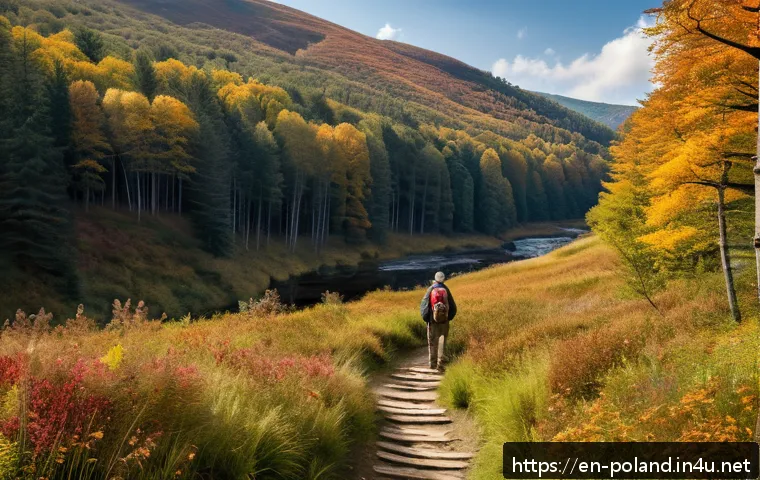
Whether you’re drawn to historic towns, lush forests, or charming countryside, Poland’s walking routes reveal hidden gems that often go unnoticed from a car window.
Recently, more travelers are seeking authentic experiences that blend physical activity with cultural discovery—making these trails a perfect escape. Join me as we uncover the best scenic paths where every step tells a story and every turn invites wonder.
Ready to lace up your boots and dive into a journey that’s as enriching as it is breathtaking? Let’s explore Poland like never before.
Discovering Poland’s Historic Pathways
Wandering Through Old Towns and Castles
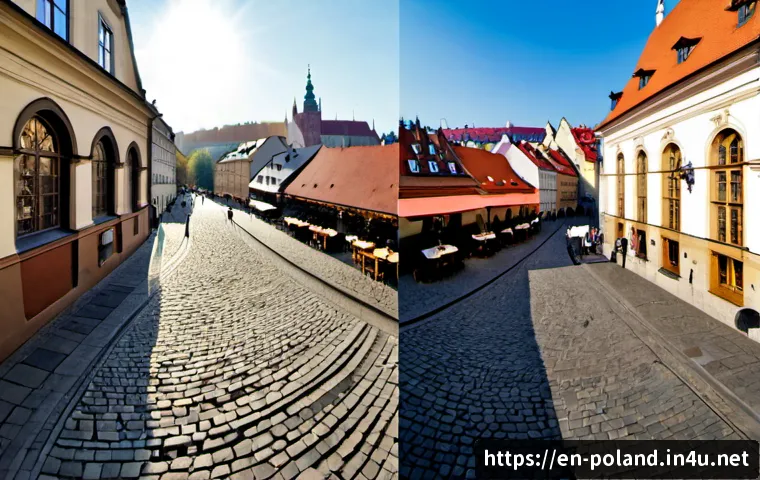
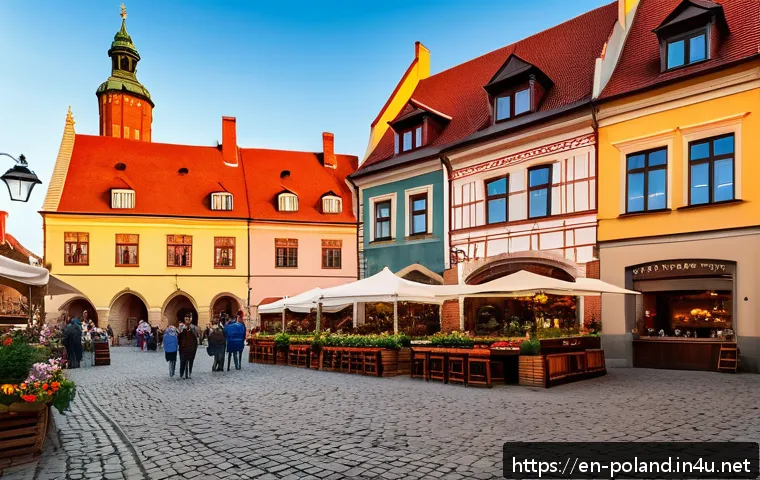
Walking through Poland’s historic towns is like stepping into a living museum. Take Kraków’s Old Town, for example — cobblestone streets lined with colorful merchant houses, bustling market squares, and the majestic Wawel Castle perched above the Vistula River.
The slower pace lets you soak in the rich architectural details and stumble upon tucked-away cafes serving traditional pierogi and rich coffee. It’s a chance to connect with centuries of history and culture on a personal level that simply zooming by in a car can’t offer.
I’ve personally found that wandering without a strict itinerary allows for unexpected discoveries, like street musicians or small art galleries, that make the experience truly immersive.
Tracing the Footsteps of History Along the Royal Route
The Royal Route in Warsaw offers an unforgettable walking experience through Poland’s capital’s historical heart. This route links the Royal Castle with Wilanów Palace, passing through stunning churches, elegant palaces, and green squares.
What’s wonderful about this trail is how it effortlessly blends stories of royal splendor with the resilience of a city rebuilt after wartime devastation.
As you stroll, you can pause at open-air markets or charming bookshops, giving you moments to rest while diving deeper into Polish culture. On my last visit, I was struck by how this path reveals layers of history through architecture and lively street life, all within a compact and walkable area.
Exploring Medieval Routes in Lesser-Known Towns
For those craving a quieter, more off-the-beaten-path experience, towns like Toruń and Zamość offer medieval walking routes filled with Gothic churches, Renaissance town halls, and fortified walls.
These routes invite you to slow down, admire the craftsmanship of centuries past, and imagine the lives of those who walked these streets long ago. I remember walking Toruń’s Old Town at sunset, the warm light casting long shadows on the red brick facades—it felt like stepping back in time.
These towns may not be as famous as Kraków or Warsaw but offer equally rich and rewarding walking adventures.
Embracing Nature: Poland’s Forest and Mountain Trails
Hiking the Bieszczady Mountains for Serenity
The Bieszczady Mountains in southeastern Poland are a hidden gem for those seeking solitude and breathtaking natural beauty. Unlike the more crowded Tatra Mountains, Bieszczady offers peaceful trails winding through dense forests, open meadows, and along serene rivers.
The sense of isolation is refreshing, and it’s common to spot wildlife like deer or wild boar during your hike. I’ve found that spending a few days here, camping under the stars and waking to the sounds of nature, creates a deep connection to the landscape that’s hard to match.
The slow pace encourages mindfulness and a genuine appreciation for the environment.
Exploring the Primeval Forest of Białowieża
Białowieża Forest is one of Europe’s last and largest remaining parts of the primeval forest that once covered the continent. Walking here feels like entering a different world, where ancient trees tower overhead and the air is thick with the scent of moss and earth.
The forest is also home to the iconic European bison, which you might glimpse on quiet trails. Guided walks add an educational layer, helping you understand the unique ecosystem and conservation efforts.
Personally, I was amazed at how this forest combines a sense of mystery with a profound respect for nature’s resilience.
Scenic Lakeside Walks in Masuria
Masuria, known as the land of a thousand lakes, offers gentle walking trails along crystal-clear waters and through charming villages. These routes are perfect for combining leisurely hikes with opportunities to swim, kayak, or simply relax by the water.
The region’s laid-back vibe makes it ideal for travelers looking to unwind while staying active. I enjoyed mornings spent walking along quiet lake shores, watching fishermen cast their lines and hearing birdsong—moments that made the whole trip feel like a restorative retreat.
Rural Charm: Exploring Poland’s Countryside on Foot
Strolling Through Picturesque Villages
Poland’s countryside is dotted with quaint villages where time seems to slow down. Walking these rural paths, you’ll encounter traditional wooden cottages, local farmers tending to fields, and small roadside stalls selling fresh produce.
This is where you can truly experience Poland’s agricultural heritage and warm hospitality. I once spent an afternoon walking through a village during harvest season, greeted by friendly locals offering homemade honey and stories about their traditions.
These encounters add a personal and heartfelt dimension to any walking adventure.
Following the Green Velo Trail Across Eastern Poland
The Green Velo Trail is a vast cycling and walking route that covers over 2,000 kilometers across eastern Poland’s diverse landscapes. Walking parts of this trail lets you explore peaceful forests, rolling hills, and historic sites scattered across the region.
What I love about Green Velo is the way it connects you with the rhythm of rural life and nature, with plenty of opportunities to stop at local markets or heritage museums.
It’s a perfect way to discover Poland’s less-touristy side, blending physical activity with cultural immersion.
Harvest Festivals and Seasonal Walks
Timing your walks to coincide with local harvest festivals or seasonal events can add extra magic to your countryside explorations. Many villages celebrate the end of the growing season with traditional music, dances, and food fairs.
I found that walking to these festivals, rather than driving, allows you to experience the build-up and community spirit more intimately. These seasonal walks become more than just a hike; they turn into a cultural celebration where every step brings new tastes, sounds, and smiles.
Coastal Treasures: Walking Along the Baltic Sea
Exploring the Słowiński National Park’s Shifting Dunes
The Słowiński National Park on Poland’s Baltic coast is famous for its moving sand dunes, which create a surreal landscape that feels otherworldly. Walking here offers an unusual experience as the dunes shift with the wind, revealing new shapes and paths each time.
It’s a quiet, meditative kind of walk where you can feel the raw power of nature. I remember climbing the dunes and pausing to watch the vast sea stretching out ahead, a moment of pure awe that stayed with me long after the hike.
Walking the Coastal Trail from Gdańsk to Sopot
The stretch between Gdańsk and Sopot offers a delightful coastal walking route combining sandy beaches, lively promenades, and historic port towns. It’s a perfect mix of natural beauty and cultural vibrancy.
Along the way, you can stop at seaside cafes, explore art galleries, or simply enjoy the fresh sea breeze. On a recent walk here, I found the combination of urban charm and nature refreshing—perfect for a day’s adventure that’s easy to pace and full of variety.
Discovering Hidden Beaches and Fishing Villages
Beyond the popular spots, Poland’s coast has many quiet beaches and small fishing villages where you can enjoy tranquil walks. These places offer a glimpse into traditional coastal life, with wooden boats, rustic piers, and friendly locals who often share stories of the sea.
Walking through these villages at dawn or dusk, when the light softens, brings a peaceful atmosphere that’s hard to find in busier tourist areas. I cherish these moments when the pace slows, and the sea’s calm presence feels almost timeless.
Cultural Trails: Combining Walking with Local Experiences
Following Literary and Artistic Heritage Routes
Poland’s rich literary and artistic history is celebrated through walking routes that trace the lives of famous writers, poets, and painters. For example, the trail dedicated to Nobel laureate Wisława Szymborska in Kraków offers insights into her life and work alongside visits to inspiring city spots.
Walking these routes feels like stepping into the creative minds of Poland’s cultural icons, deepening your appreciation for their contributions. I found these walks particularly moving, as they blend intellectual discovery with physical exploration.
Sampling Regional Flavors Along Food Trails
Food-focused walking routes have become increasingly popular, inviting travelers to taste their way through Poland’s diverse culinary landscape. From pierogi tastings in Lublin to hearty soups in the Tatra region, these trails combine gentle walks with delicious stops.
I personally enjoyed a food trail in Wrocław where every stop offered a new flavor and story behind local recipes. These walks turn meals into shared experiences and add a sensory layer to your journey.
Participating in Local Workshops and Craft Tours
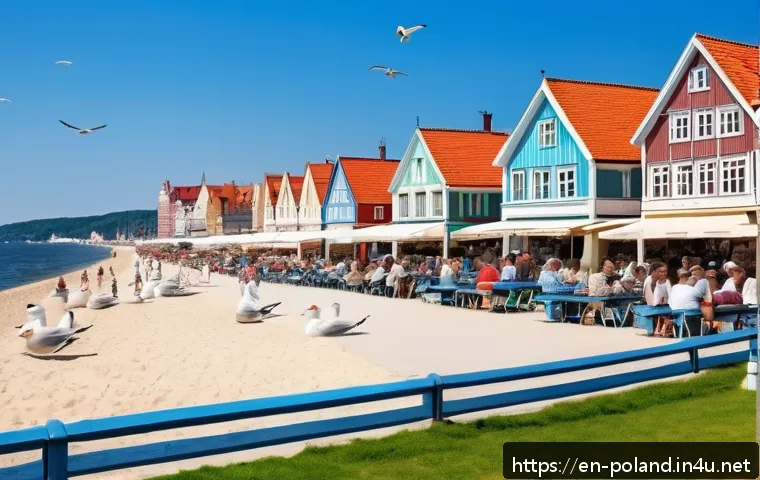
Some walking routes include opportunities to join workshops or meet local artisans. Whether it’s pottery-making in a small village or amber crafting along the coast, these interactive experiences enrich your walk with hands-on cultural learning.
I remember joining a folk art workshop after a day’s hike, which made the culture tangible and memorable. This blend of walking and participation creates a dynamic way to engage with Poland’s traditions.
| Trail Type | Location | Key Features | Recommended Season | Difficulty Level |
|---|---|---|---|---|
| Historic Pathways | Kraków, Warsaw, Toruń | Castles, old towns, royal routes | Spring, Autumn | Easy to Moderate |
| Mountain and Forest Trails | Bieszczady, Białowieża, Tatras | Wildlife, ancient forests, mountain vistas | Summer, Early Autumn | Moderate to Challenging |
| Rural Countryside | Masuria, Eastern Poland Villages | Villages, lakes, harvest festivals | Late Summer, Autumn | Easy |
| Coastal Walks | Baltic Sea Coast | Beaches, dunes, fishing villages | Summer | Easy to Moderate |
| Cultural and Culinary Trails | Various Cities and Regions | Art, literature, food tasting | Year-round | Easy |
Planning Your Walks: Tips for an Enjoyable Experience
Choosing the Right Gear for Poland’s Terrain
Walking in Poland’s diverse landscapes means you need adaptable gear. Comfortable, waterproof hiking boots are a must, especially if you plan on forest or mountain trails where paths can be muddy or uneven.
Layered clothing is essential to adjust to changing weather, which can be unpredictable, especially in spring and autumn. I learned this the hard way during a sudden rain shower in the Tatras, where quick-drying clothes and a good rain jacket saved the day.
Don’t forget a sturdy backpack with water, snacks, and a local map or GPS device.
Respecting Local Customs and Environment
One of the joys of walking through Poland’s towns and countryside is engaging respectfully with local communities. Poles appreciate when visitors show interest in their traditions and speak a few polite words in Polish.
Also, be mindful of the environment—stick to marked trails, avoid littering, and support local businesses by stopping at family-run cafes or shops. I always carry a small notebook to jot down names and places recommended by locals; it enriches the journey and helps build genuine connections.
Balancing Pace and Exploration
While it’s tempting to cover as much ground as possible, the real reward of walking in Poland comes from savoring each moment. I’ve found that alternating longer hikes with shorter, slower walks lets you rest and absorb the surroundings.
Plan plenty of breaks to enjoy local food, take photos, or simply sit and watch daily life unfold. This balance helps keep your energy up and your curiosity alive, turning every walk into a memorable adventure.
Seasonal Highlights to Experience on Foot
Spring Blooms and Forest Awakening
Springtime transforms Poland’s landscapes with vibrant blooms and fresh greenery. Walking through forests during this season means encountering carpets of wildflowers, blossoming orchards, and lively bird songs.
It’s a time of renewal and energy, perfect for those who love nature’s awakening. I remember a spring walk in Białowieża where every step was accompanied by the scent of pine and the sight of colorful flowers peeking through the underbrush.
It’s a season that invites reflection and joy in simple natural beauty.
Summer Festivals and Long Daylight Hours
Summer offers the longest days, allowing for extended walking adventures and plenty of cultural events. Many towns host open-air concerts, folk festivals, and night markets that you can incorporate into your routes.
The warm weather also makes coastal and lake walks particularly enjoyable. On a summer trip to Masuria, I combined hiking with boat trips and evening festivals, creating a rich tapestry of experiences that kept me energized and inspired.
Autumn Colors and Harvest Celebrations
Autumn in Poland is a feast for the eyes, with forests and fields turning fiery shades of red, orange, and gold. It’s also harvest time, when many regions celebrate with festivals showcasing local food and crafts.
Walking during this season means cooler temperatures and vivid landscapes. I found that autumn walks often come with a cozy atmosphere, from warm drinks in village inns to the smell of wood fires.
It’s a wonderful season for those who appreciate nature’s changing moods and cultural traditions.
Winter Walks and Magical Snowy Scenes
Though colder and shorter, winter walks in Poland have their own unique charm. Snow blankets forests and mountains, transforming the scenery into a quiet, magical wonderland.
Some trails remain accessible and offer opportunities for snowshoeing or cross-country skiing. I once experienced a winter hike near Zakopane where the silence of the snowy woods was profoundly peaceful, broken only by the crunch of footsteps.
Dressing warmly and planning shorter routes can make winter walking a delightful, serene escape.
Connecting with Locals: Enhancing Your Walking Journey
Staying in Family-Run Guesthouses and Agritourism Farms
Choosing accommodation that offers more than just a bed can enrich your walking trip tremendously. Family-run guesthouses and agritourism farms provide authentic hospitality, homemade meals, and insights into local life.
I’ve stayed in several such places where hosts shared stories, recipes, and even invited me to join in seasonal farm activities. These experiences create lasting memories and a deeper understanding of Poland’s rural culture.
Joining Walking Groups and Guided Tours
While solo walking has its charm, joining local walking groups or guided tours can open doors to hidden stories and safe navigation. Guides often provide historical context, naturalist knowledge, and cultural anecdotes that bring the trails alive.
During a guided walk in the Tatra Mountains, I appreciated learning about local legends and spotting rare alpine plants I would have missed alone. Group walks also foster camaraderie, making the journey social and fun.
Participating in Community Events Along the Way
Timing your walks to overlap with community events—like church fairs, craft markets, or folk dances—adds an interactive layer to your travels. These events offer chances to meet locals in relaxed settings and experience traditions firsthand.
I once stumbled upon a village festival while hiking in eastern Poland, and joining the celebrations became a highlight of my trip. Such moments turn walking routes into living cultural exchanges, making each step more meaningful.
In Conclusion
Exploring Poland on foot reveals layers of history, nature, and culture that are impossible to experience any other way. Whether wandering through ancient towns, hiking serene mountains, or enjoying coastal strolls, each step offers a unique story and connection. Taking your time to engage with locals and the landscape transforms a simple walk into a meaningful adventure. Poland’s diverse trails invite you to discover its rich heritage and breathtaking scenery at your own pace.
Helpful Information to Know
1. Always wear sturdy, waterproof shoes to handle varying terrains and unpredictable weather conditions, especially in forested or mountainous areas.
2. Learning a few basic Polish phrases and customs can greatly enhance your interactions with locals and enrich your travel experience.
3. Carry a reliable map or GPS device, as some rural or forest trails may have limited signage and cell service.
4. Plan your walks according to the season to enjoy the best weather and local events, such as harvest festivals in autumn or vibrant spring blooms.
5. Support small, family-run businesses along your route to experience authentic hospitality and contribute to the local economy.
Key Takeaways
Walking through Poland offers a blend of historical immersion, natural beauty, and cultural connection that is both accessible and rewarding. Prepare adequately with proper gear and respect for local customs to make your journey smoother and more enjoyable. Balancing exploration with rest helps maintain energy and fosters deeper appreciation of your surroundings. Engaging with community events and local guides enriches your experience, turning ordinary walks into unforgettable memories. Above all, allow yourself the freedom to wander and discover the unexpected along Poland’s diverse trails.
Frequently Asked Questions (FAQ) 📖
Q: uestionsQ1: What are the best walking trails in Poland for a first-time visitor looking to experience both nature and culture?
A: For newcomers, the Green Velo Trail is an excellent choice—it stretches over 1,000 kilometers through eastern Poland, weaving through quaint villages, historic sites, and lush forests.
Another must-try is the Kraków Old Town walking route, where cobblestone streets lead you past stunning architecture and vibrant local markets. These trails offer a perfect blend of scenic beauty and cultural immersion, making your first experience unforgettable.
Q: How should I prepare for hiking or walking tours in Poland, especially regarding weather and local customs?
A: Poland’s weather can be quite variable, so packing layers is key—think breathable shirts, a warm jacket, and waterproof gear. Comfortable, sturdy walking shoes are a must, especially if you plan to explore forest trails or uneven terrain.
It’s also helpful to learn a few basic Polish phrases; locals appreciate the effort and it enhances your cultural experience. Don’t forget to carry some cash, as smaller towns may have limited card payment options.
Q: Are there guided walking tours available, and do they add value compared to exploring independently?
A: Absolutely, guided tours are widely available and often led by knowledgeable locals who share fascinating stories and hidden history you might miss on your own.
From food-focused walks in Warsaw to nature hikes in the Tatra Mountains, guides can tailor the experience to your interests. Personally, I found that joining a guided tour enriched my understanding and made navigating unfamiliar areas much easier, especially when language barriers exist.
However, if you enjoy flexibility and self-paced exploration, independent walking can be equally rewarding with a bit of preparation.