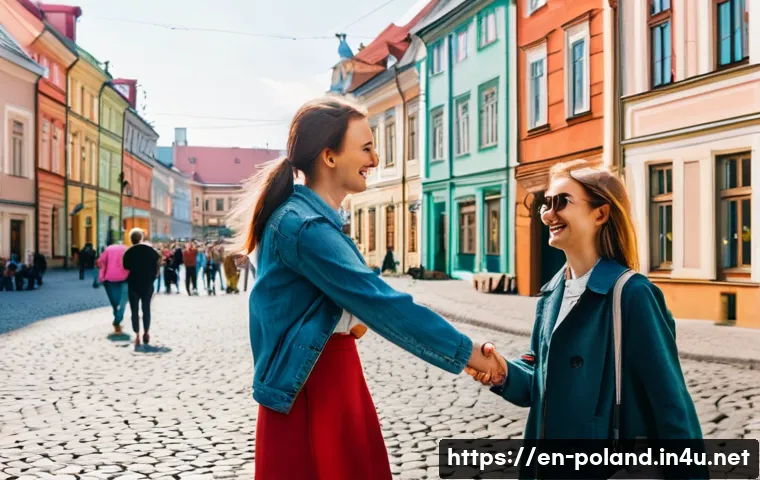
Learning a few key greetings in Polish can instantly open doors to meaningful connections and cultural experiences. Whether you’re planning a trip to Poland or simply want to impress your Polish friends, mastering these phrases shows respect and genuine interest.
Polish greetings go beyond simple hellos—they reflect warmth, tradition, and social nuances unique to the country. By understanding the right expressions for different occasions, you’ll navigate conversations with confidence and ease.
Let’s dive into the essentials that will help you sound natural and approachable in Polish! We’ll explore everything you need to know in detail below.
Essential Ways to Say Hello and Goodbye in Polish
Common Casual Greetings
When you first meet someone in Poland, a simple “Cześć” (pronounced “cheshch”) is your go-to casual hello. I’ve found it’s perfect for informal settings with friends or people your age.
It’s kind of like saying “hi” in English—friendly and relaxed. Another popular greeting you’ll hear often is “Hej,” which is borrowed from English but widely used by younger generations.
If you want to sound more polite or formal, “Dzień dobry” (meaning “good day”) is the way to go during the daytime. It’s a bit more respectful and shows you’re serious about making a good impression.
Parting Words That Leave a Good Impression
Saying goodbye in Polish is just as important as saying hello, and using the right phrase can make a big difference. “Do widzenia” is the formal way to say goodbye, and it’s perfect for business meetings or when you want to show respect.
For more casual settings, “Na razie” (meaning “see you later”) works great and has a warm, friendly vibe. When I was chatting with locals in Kraków, using “Pa” (pronounced like “pa”) felt very natural and got smiles every time—it’s like saying “bye” quickly and casually.
Seasonal and Time-Specific Greetings
Depending on the time of day or season, Polish greetings can shift a bit. For example, “Dobry wieczór” means “good evening” and is commonly used after sunset.
It’s a polite way to greet someone when you meet them later in the day. In the mornings, “Dzień dobry” fits perfectly until the afternoon, after which “Dobry wieczór” takes over.
This little nuance makes your Polish sound much more authentic and respectful of local customs.
Mastering Polite Expressions and Formality Levels
When to Use Formal Language
In Poland, formal language is a big deal, especially when meeting someone for the first time or in professional settings. Using “Pan” for a man and “Pani” for a woman along with their last name is a sign of respect that I quickly learned during a business trip.
For example, addressing someone as “Pan Kowalski” or “Pani Nowak” instantly shows politeness. Avoid jumping to first names unless invited—this can feel too familiar or even rude.
Politeness in Everyday Conversations
Polish people appreciate when you add polite phrases like “proszę” (please) and “dziękuję” (thank you) in your greetings and conversations. I noticed that sprinkling these words throughout my chats made interactions much smoother and warmer.
Even when asking simple questions like “How are you?” (“Jak się masz?”) adding a polite tone goes a long way.
Using Honorifics and Titles
Honorifics still hold weight in Poland. When in doubt, it’s safer to use “Pan” or “Pani” followed by the surname, especially with older people or in formal contexts.
This shows you’re aware of social etiquette and helps build trust. Once the relationship becomes more casual, shifting to first names is welcomed and appreciated.
How to Express Good Wishes and Gratitude Naturally
Everyday Expressions of Gratitude
Saying “thank you” isn’t just about manners in Poland; it’s a cultural cornerstone. “Dziękuję” is the standard thank you, but I learned that “Dzięki” is a more casual and friendly way to express gratitude among peers or younger people.
Using these appropriately felt like opening a small window of warmth in every conversation I had.
Wishing Well in Different Situations
Polish greetings often include good wishes, especially during holidays or special occasions. For example, “Wesołych Świąt” means “Merry Christmas,” and “Szczęśliwego Nowego Roku” is “Happy New Year.” When visiting someone’s home, it’s polite to say “Smacznego” before a meal, wishing them an enjoyable dinner.
These phrases add a thoughtful touch and show you care about Polish traditions.
Responding to Compliments and Thanks
Knowing how to respond politely to compliments or thanks is just as important. When someone says “Dziękuję,” a simple “Proszę” (you’re welcome) is perfect.
If you receive a compliment, responding with “Dziękuję bardzo” (thank you very much) shows humility and appreciation. These small exchanges helped me build rapport and made interactions feel genuinely warm.
Understanding Social Contexts Behind Greetings
Greetings in Family vs. Public Settings
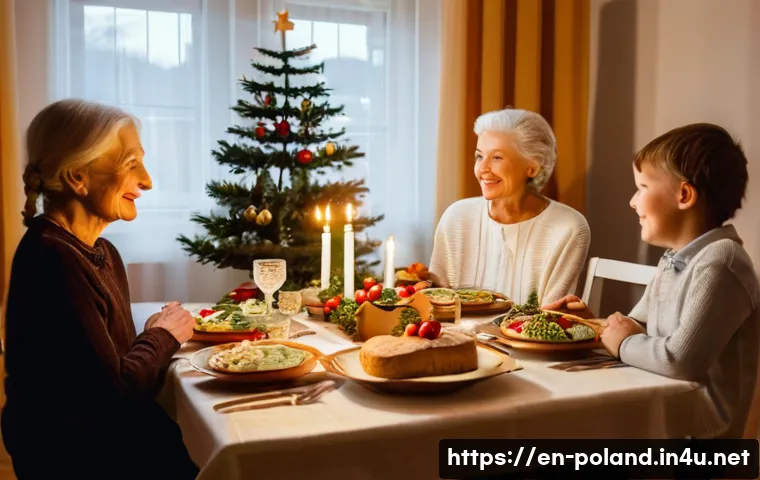
Family greetings in Poland tend to be more relaxed and affectionate. For instance, hugs and cheek kisses are common among close relatives and friends, something I initially found surprising but quickly embraced.
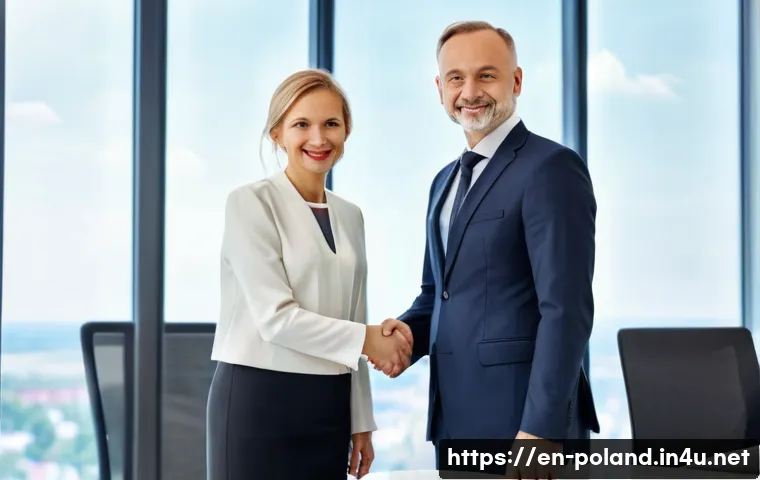
In public or formal settings, physical contact is less common, and a firm handshake with eye contact is the norm. Being mindful of these differences helped me avoid awkward moments.
Workplace and Business Greetings
In professional environments, greetings are all about respect and formality. Addressing colleagues with their titles and surnames initially is standard practice.
I noticed that starting meetings with a polite “Dzień dobry” and a handshake set a positive tone. Over time, as relationships became friendlier, first names were used more freely, but the initial formality always mattered.
Greetings During Celebrations and Holidays
Special occasions in Poland often come with unique greetings and customs. For example, during Easter, it’s common to say “Wesołych Świąt Wielkanocnych” (Happy Easter).
On name days, which are celebrated similarly to birthdays, wishing someone “Wszystkiego najlepszego z okazji imienin” (All the best on your name day) is customary.
I found these traditions fascinating and a great way to connect deeper with Polish culture.
Common Phrases to Break the Ice in Polish
Starting Small Talk
One of the best ways to make Polish speakers comfortable is by opening with small talk phrases like “Jak się masz?” (How are you?) or “Co u ciebie?” (What’s up?).
I found these phrases really helpful when meeting new people or striking up conversations at cafés or markets. They’re casual yet friendly, making it easier to bridge any initial awkwardness.
Showing Interest in Polish Culture
Expressing curiosity about Poland itself is always appreciated. Saying something like “Lubię polską kulturę” (I like Polish culture) or “Czy możesz polecić jakieś miejsce do zwiedzenia?” (Can you recommend a place to visit?) invites locals to share their favorite spots and stories.
I used this tactic often, and it led to some memorable experiences and new friendships.
Light Humor and Compliments
Injecting light humor or compliments can warm up any interaction. For example, complimenting someone’s outfit with “Świetnie wyglądasz!” (You look great!) or joking about the weather with “Znowu pada deszcz!” (It’s raining again!) can break the ice.
I noticed Poles appreciate humor that’s gentle and respectful, which helps build rapport quickly.
Pronunciation Tips to Sound More Authentic
Key Sounds to Master
Polish pronunciation can be tricky, especially with consonant clusters and nasal vowels. I struggled at first with sounds like “sz,” “cz,” and “ż,” which don’t exist in English.
Practicing these helped me sound more natural. For example, “Cześć” requires a soft “ch” sound followed by a “sh” – it takes some effort but makes a huge difference.
Common Mispronunciations to Avoid
One common mistake English speakers make is pronouncing “ł” as an “l” sound, but it’s actually closer to a “w” in English. So, “Dziękuję” sounds more like “jen-koo-yeh” rather than “dien-ku-yeh.” Getting these details right shows you care about the language and culture, and locals usually respond positively to the effort.
Practice Strategies That Worked for Me
I found repeating phrases out loud, listening to native speakers on YouTube, and using language apps with voice feedback invaluable. Even practicing greetings with Polish friends helped me gain confidence.
Sometimes, I’d record myself and compare it to native pronunciation, which helped catch subtle differences I wouldn’t notice otherwise.
| Phrase | Meaning | When to Use | Pronunciation Tip |
|---|---|---|---|
| Cześć | Hi/Hello (casual) | With friends, informal settings | Soft “ch” + “sh” sound |
| Dzień dobry | Good day (formal) | Daytime greetings, formal | “J” sounds like “y” in yes |
| Do widzenia | Goodbye (formal) | Formal farewells | Stress on “do” and “dzenia” |
| Na razie | See you later (casual) | Informal goodbyes | “Razie” sounds like “rah-zheh” |
| Dziękuję | Thank you | Polite gratitude | “Dzię” sounds like “jen” |
| Proszę | Please/You’re welcome | Polite requests and replies | “Pro” as in “pro” and soft “sheh” |
Wrapping Up
Mastering basic Polish greetings and farewells opens the door to meaningful connections and shows respect for the culture. Whether casual or formal, the right phrase can make your interactions smoother and more genuine. Remember, practicing pronunciation and understanding social contexts will boost your confidence when speaking Polish. Enjoy the journey of learning this beautiful language and the warmth it brings to your conversations.
Useful Tips to Keep in Mind
1. Always match your greeting to the situation—use formal phrases in professional settings and casual ones with friends.
2. Politeness matters a lot in Polish culture, so sprinkle in “please” and “thank you” often to create a positive impression.
3. Pay attention to pronunciation nuances like “ł” sounding like “w” to sound more natural and appreciated.
4. Use small talk and compliments to break the ice and build rapport when meeting new people.
5. Learning holiday and special occasion greetings can deepen your cultural connection and show genuine interest.
Key Takeaways for Effective Communication
Understanding when to use formal versus casual language is crucial in Polish interactions. Incorporating polite expressions consistently not only demonstrates respect but also fosters warmer relationships. Pronunciation plays a significant role in being understood and accepted, so dedicating time to practice makes a big difference. Lastly, being aware of social contexts—from family to workplace—helps you navigate conversations appropriately and confidently.
Frequently Asked Questions (FAQ) 📖
Q: What are some common Polish greetings I should learn for everyday use?
A: The most useful Polish greetings to start with are “Cześć” (cheshch), which means “hi” or “hello” and is informal, and “Dzień dobry” (jen doh-bri), meaning “good day” or “good morning,” which is polite and suitable for most situations.
For evening greetings, you can use “Dobry wieczór” (doh-bri vyeh-choor), meaning “good evening.” These phrases will help you connect easily whether you’re meeting friends, shopping, or attending social events.
I found that using “Cześć” with younger people instantly breaks the ice, while “Dzień dobry” shows respect in formal settings.
Q: How do Polish greetings reflect cultural values or social etiquette?
A: Polish greetings carry a lot of cultural weight—they’re not just about saying hello but also showing politeness and warmth. For example, a firm handshake is common in formal greetings, often accompanied by direct eye contact, signaling respect and sincerity.
When greeting close friends or family, a hug or cheek kiss might be customary, reflecting closeness. Using the right greeting depending on the time of day and the formality of the situation shows that you understand and respect Polish social norms, which is highly appreciated.
From my experience, locals often respond positively when you make that small effort to greet them properly.
Q: Can learning Polish greetings really improve my travel experience in Poland?
A: Absolutely! Even a few well-chosen phrases can make a huge difference. When I traveled to Poland, greeting shopkeepers, taxi drivers, or restaurant staff in Polish immediately made interactions friendlier and smoother.
It’s a simple way to show respect and break down barriers, which often leads to more helpful and warm responses. Plus, locals tend to be proud and happy when foreigners make an effort with their language, opening doors to richer cultural exchanges and sometimes even insider tips about places to visit.
So, mastering Polish greetings is definitely worth it if you want to enjoy a more authentic and welcoming experience.