In a world where social movements continue to shape our political landscape, revisiting pivotal moments from the past offers invaluable insights. The 1980 Solidarity Movement in Poland stands as a powerful example of how collective courage can ignite change against oppressive regimes.
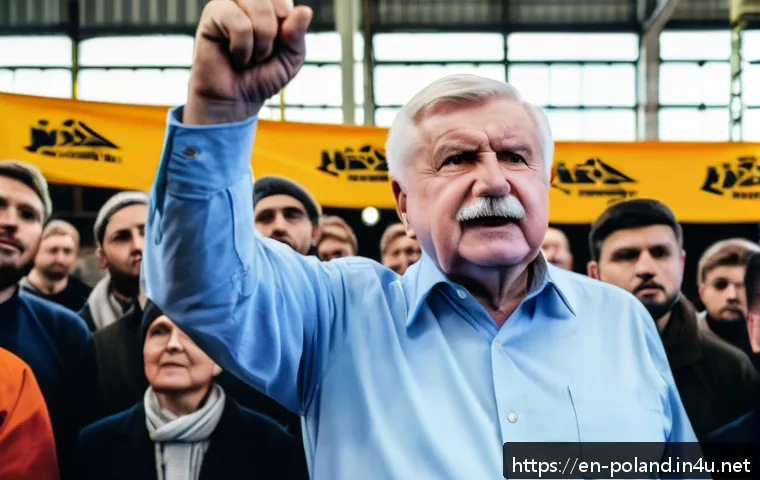
As global discussions about democracy and workers’ rights gain momentum, understanding Solidarity’s impact feels more relevant than ever. Let’s dive into this remarkable chapter in history, exploring how ordinary people sparked a revolution that echoed far beyond Poland’s borders.
Stick around—you’ll discover lessons that still resonate today.
The Spark That Ignited a Nation
From Factory Floors to Nationwide Unity
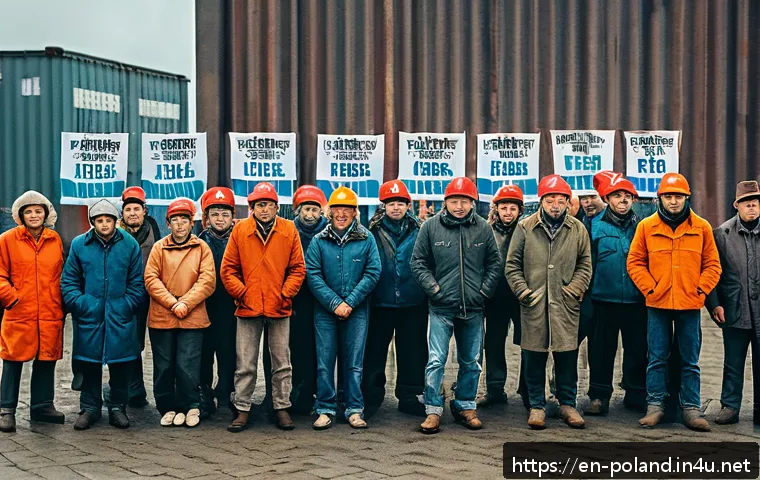
The Solidarity movement didn’t begin with grand speeches or political manifestos; it started in the everyday struggles of shipyard workers in Gdańsk. These workers, burdened by harsh conditions and meager wages, found their voices through collective action.
It’s fascinating how a group of laborers, simply demanding fair treatment, managed to unite millions across Poland. Their courage wasn’t just about better pay—it was about dignity and respect in a system that had long ignored those basic human needs.
The ripple effect was immediate, as people from all walks of life saw a glimmer of hope in this grassroots uprising.
Leadership Emerging from the Crowd
What struck me most was how leadership naturally emerged from within the movement rather than being imposed from above. Figures like Lech Wałęsa weren’t distant politicians but fellow workers who understood the pain and aspirations of their peers.
This authenticity gave the movement its strength. Wałęsa’s ability to communicate hope and resilience turned him into a symbol that transcended his immediate circle.
The leadership style was deeply personal and relatable, which made Solidarity feel like a true people’s movement rather than just another political campaign.
Balancing Fear and Determination
Living under a repressive regime meant that every step taken by the Solidarity activists was shadowed by fear. Arrests, surveillance, and intimidation were constant threats.
Yet, what’s remarkable is how this fear didn’t paralyze them but galvanized their resolve. I’ve often thought about how ordinary people find extraordinary courage in the face of danger, and Solidarity is a perfect example.
The movement taught us that fear can be a powerful motivator when balanced with a shared vision for freedom and justice.
Strategies Behind Sustained Resistance
Nonviolent Protest as a Powerful Weapon
One of the most impressive aspects of the Solidarity movement was its commitment to nonviolent resistance. At a time when violent uprisings were common, choosing peaceful protest required immense discipline and strategic thinking.
The movement’s organizers understood that violence would only justify harsher crackdowns and alienate potential allies. Instead, strikes, sit-ins, and public demonstrations became their tools, demonstrating that collective patience and persistence could shake even the most rigid authoritarian system.
Building Networks Beyond Borders
Solidarity’s impact wasn’t confined to Poland’s borders. The movement’s leaders worked tirelessly to establish connections with labor unions, governments, and human rights organizations across Europe and the United States.
This international support brought not only moral encouragement but also tangible resources and political pressure on the Polish government. It’s a reminder of how local struggles can gain momentum when linked to a global audience who share similar values.
Negotiation and Political Engagement
Unlike many movements that reject dialogue with oppressive regimes, Solidarity embraced negotiation as a tactical move. The 1980s saw several rounds of talks between Solidarity representatives and government officials, which eventually led to some concessions.
I think this pragmatic approach helped legitimize the movement and proved that even authoritarian powers can be challenged through patient, reasoned engagement.
It also set the stage for more profound political changes down the line.
Challenges and Setbacks Along the Way
Martial Law and Crackdowns
The imposition of martial law in December 1981 was a harsh blow to Solidarity’s momentum. Overnight, many leaders were arrested, and the movement was outlawed.
This period tested the resilience of activists and supporters alike. It’s easy to imagine the despair and uncertainty they must have felt, yet many continued their efforts underground, risking everything to keep the flame alive.
This phase highlighted the brutal lengths to which oppressive regimes will go to maintain control and how resistance requires unwavering commitment.
Internal Divisions and Ideological Struggles
No movement is immune to internal tensions, and Solidarity was no exception. Different factions within the movement sometimes clashed over strategies and goals—some pushing for rapid political change, others advocating a more cautious approach focused on workers’ rights.
These disagreements occasionally slowed progress but also reflected the movement’s democratic spirit, allowing diverse voices to be heard. It’s a reminder that unity doesn’t mean uniformity, and healthy debate can strengthen a cause.
Economic Hardships and Public Sentiment
As Poland’s economy worsened throughout the 1980s, public patience wore thin. Inflation, shortages, and declining living standards made it harder for many to focus solely on political change.
The government capitalized on these hardships to portray Solidarity as a destabilizing force threatening everyday life. Balancing economic realities with political aspirations was a delicate task for the movement, illustrating how intertwined economic and political struggles are in any societal transformation.
Lessons in Leadership and Collective Power
The Importance of Grassroots Organization
One of the biggest takeaways from Solidarity’s story is the power of grassroots organization. The movement thrived because it was rooted in local communities and workplaces, where trust and shared experiences were strongest.
This bottom-up approach allowed rapid mobilization and ensured that the movement reflected the true needs of the people, rather than being driven by detached elites.
It’s a model that modern activists can learn from when building sustainable social change.
Flexibility and Adaptation in Strategy
Solidarity’s leaders were constantly adjusting their tactics in response to changing political realities. Whether it was shifting from strikes to negotiation or operating underground during martial law, their flexibility kept the movement alive through adversity.
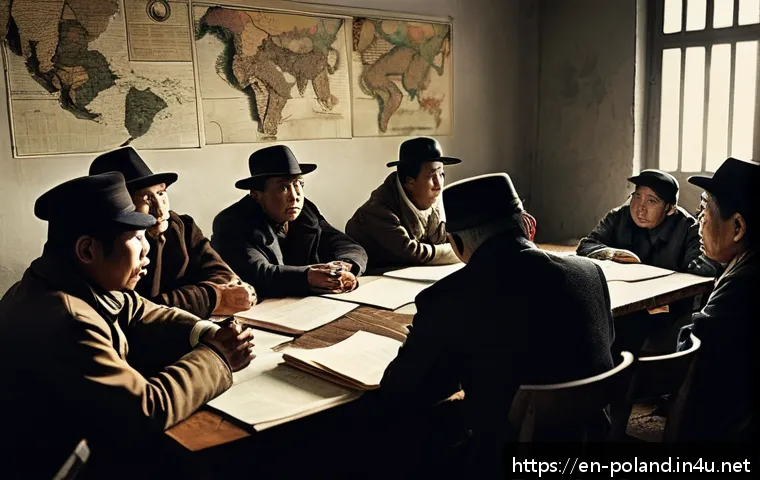
This adaptability is crucial in any struggle against entrenched power, and it underscores the need to stay responsive rather than rigidly attached to one method or ideology.
Building a Vision Beyond Immediate Goals
While the initial focus was on labor rights and economic demands, Solidarity’s vision grew to encompass broader democratic reforms. This expansion helped rally a wider base of support and positioned the movement as a catalyst for systemic change.
I find it inspiring how starting with concrete, achievable goals can evolve into a transformative political force when leaders communicate a bigger dream that resonates with people’s hopes for the future.
Global Impact and Historical Significance
Influencing Other Democratic Movements
Solidarity’s success sent shockwaves far beyond Poland, inspiring movements in Eastern Europe and around the world. The idea that ordinary citizens could challenge authoritarian regimes gave hope to many who felt powerless.
I’ve seen firsthand how stories of Solidarity circulate among activists as a blueprint for resistance, proving that even the most entrenched systems can be shaken by unity and perseverance.
Contributing to the End of the Cold War
The movement played a subtle but crucial role in the eventual collapse of Soviet influence in Eastern Europe. By weakening the legitimacy of communist governments and demonstrating the possibility of peaceful change, Solidarity helped shift the geopolitical landscape.
This broader significance often gets overlooked, but it’s a testament to how local actions can have far-reaching consequences.
Legacy in Contemporary Social Movements
Today, Solidarity’s legacy lives on as a reminder of the power of collective action and moral courage. Its lessons about leadership, unity, and strategic patience remain relevant as activists tackle new challenges worldwide.
I often reflect on how history provides a rich reservoir of inspiration, and Solidarity stands out as a beacon for anyone striving for justice and democracy.
Key Elements of the Solidarity Movement
| Aspect | Description | Significance |
|---|---|---|
| Origin | Shipyard workers in Gdańsk initiating strikes in 1980 | Showed how local labor grievances could spark national change |
| Leadership | Lech Wałęsa and grassroots organizers | Provided relatable and authentic voices that unified diverse groups |
| Methods | Nonviolent protests, strikes, negotiations | Maintained moral high ground and broadened support |
| Challenges | Martial law, government crackdowns, internal divisions | Tested resilience and adaptability of the movement |
| International Support | Connections with global labor and human rights groups | Increased pressure on Polish government and provided resources |
| Outcomes | Negotiated political reforms, contributed to Cold War shifts | Demonstrated the power of peaceful collective action |
How Solidarity Resonates in Modern Activism
Empowering Ordinary People
One of the most powerful aspects of Solidarity’s legacy is its demonstration that ordinary people can be the architects of change. In today’s movements, whether fighting for climate justice, racial equality, or workers’ rights, this idea continues to inspire.
Knowing that a group of shipyard workers once challenged a superpower regime encourages activists to believe their efforts matter, no matter how small they may seem at first.
Building Inclusive Coalitions
Solidarity succeeded because it wasn’t exclusive. It welcomed intellectuals, students, clergy, and workers alike, creating a broad coalition united by common values.
Modern movements often struggle with inclusivity, and Solidarity’s example shows that embracing diversity strengthens, rather than dilutes, a cause. This inclusive spirit is essential for building lasting change in any society.
Balancing Idealism with Pragmatism
The movement’s blend of idealistic goals and pragmatic tactics offers a useful template for today’s activists. It’s tempting to push for radical change immediately, but Solidarity’s experience teaches patience, strategic thinking, and compromise can be more effective in achieving lasting results.
This balance is crucial for maintaining momentum and winning over skeptical or undecided supporters.
In Conclusion
The Solidarity movement stands as a powerful testament to the impact ordinary people can have when united by a common cause. Its journey from humble beginnings to influencing global politics reminds us that change often starts with small, courageous steps. The lessons learned from Solidarity continue to inspire activists worldwide, proving that resilience, unity, and strategic patience are essential for meaningful social transformation.
Useful Information to Know
1. Solidarity began with shipyard workers demanding better working conditions, showing the power of grassroots activism.
2. Leadership emerged organically, emphasizing authenticity and deep connection to the people involved.
3. Nonviolent resistance and strategic negotiations were key to maintaining moral authority and achieving progress.
4. International support played a crucial role by providing resources and increasing pressure on the regime.
5. Despite setbacks like martial law and internal disagreements, the movement’s adaptability ensured its lasting impact.
Summary of Key Takeaways
Solidarity’s success highlights the importance of grassroots mobilization and inclusive leadership that resonates personally with its supporters. Its commitment to peaceful protest combined with pragmatic political engagement created a sustainable path toward change. The movement’s resilience in the face of repression and economic hardship demonstrates that collective determination and flexibility are vital for overcoming obstacles. Finally, Solidarity’s legacy reminds us that local actions can ripple outward, influencing global movements and shaping history.
Frequently Asked Questions (FAQ) 📖
Q: What was the main goal of the 1980 Solidarity Movement in Poland?
A: The primary goal of the Solidarity Movement was to challenge the authoritarian communist regime in Poland by advocating for workers’ rights, free trade unions, and social reforms.
It began as a labor strike but quickly evolved into a broader social movement demanding political freedom and democratic change. The courage of ordinary workers and intellectuals united under Solidarity showed the world how grassroots activism could confront oppressive governments.
Q: How did Solidarity influence democracy beyond Poland?
A: Solidarity’s impact extended well beyond Poland’s borders by inspiring other Eastern European countries under communist rule to push for democratic reforms.
It demonstrated that nonviolent resistance and organized civil society could successfully challenge totalitarian systems. This ripple effect contributed to the eventual fall of communist regimes across the region in the late 1980s and early 1990s, marking a turning point in global Cold War dynamics.
Q: Why is the Solidarity Movement still relevant to today’s social and political movements?
A: The Solidarity Movement remains relevant because it exemplifies how collective action rooted in shared values can create meaningful change, even against powerful opposition.
In today’s world, where debates about democracy, labor rights, and social justice continue, Solidarity reminds us that ordinary people’s voices and unity can influence political landscapes.
Its legacy encourages modern activists to persist with resilience and hope.