The Polish book market is buzzing with an exciting blend of time-honored tradition and cutting-edge innovation. As global readers increasingly seek unique literary voices, Poland stands out with its vibrant publishing scene that honors classic storytelling while embracing digital transformation.
From independent presses to tech-savvy platforms, this dynamic environment is reshaping how books reach audiences. If you’re curious about how Poland’s literary heritage is evolving in the digital age, stay tuned—there’s much to explore in this thriving market.
Let’s dive into what makes Poland’s publishing boom so captivating right now.
Embracing Tradition Amidst Innovation
The Enduring Charm of Classic Publishing Houses
Poland’s publishing landscape is deeply rooted in a rich tradition that continues to thrive despite the rapid digital shift. Established publishing houses, some with histories spanning over a century, still command a significant presence.
These institutions pride themselves on meticulous editorial standards and nurturing literary talent, ensuring that the classics and contemporary masterpieces alike receive the attention they deserve.
What’s fascinating is how these traditional players are not merely clinging to old methods; many have adopted hybrid models that blend print with digital formats, catering to diverse reader preferences.
I’ve noticed that visiting a Polish bookstore often feels like stepping into a cultural hub where the past and present coexist harmoniously, offering a tactile connection to literature that digital platforms can’t fully replicate.
Independent Presses Breathing New Life
Alongside the giants of publishing, Poland boasts a vibrant network of independent presses that are pivotal in championing niche genres and emerging voices.
These smaller outfits often take risks on experimental writing and underrepresented authors, contributing significantly to the diversity of the literary scene.
Their agility allows them to respond quickly to trends and reader demands, sometimes using crowdfunding and social media to fund and promote their works.
From personal experience, engaging with indie publications feels more intimate and community-driven, giving readers a chance to discover fresh perspectives outside mainstream channels.
This grassroots energy adds a dynamic layer to the market, balancing the reverence for tradition with a hunger for innovation.
How Digital Platforms Are Transforming Access
Digital transformation in Poland’s book market isn’t just about e-books; it’s reshaping how readers discover, purchase, and consume literature. Platforms offering subscription models and personalized recommendations are gaining traction, mirroring global trends but tailored to local tastes.
What’s particularly interesting is the rise of audiobook consumption, which has surged due to busy lifestyles and increasing smartphone penetration. From my own use, audiobooks have made literature accessible during commutes or while multitasking, broadening the audience beyond typical readers.
Moreover, digital bookstores often incorporate interactive elements like author interviews and reader forums, creating a more engaging experience that traditional bookstores find challenging to match.
Innovative Marketing Strategies and Reader Engagement
Leveraging Social Media Influencers and Book Bloggers
In Poland, the surge of book influencers on platforms like Instagram and YouTube has revolutionized marketing strategies. These content creators serve as trusted voices within their communities, offering authentic reviews and recommendations that resonate deeply with followers.
Publishers collaborate closely with influencers for book launches, giveaways, and live readings, tapping into their engaged audiences to boost visibility.
Having followed several Polish book bloggers, I’ve observed how their candid, relatable content drives conversations and encourages readers to explore genres they might otherwise overlook.
This personal connection between influencer and audience often translates into stronger purchase intent than traditional advertising.
Community Events and Literary Festivals
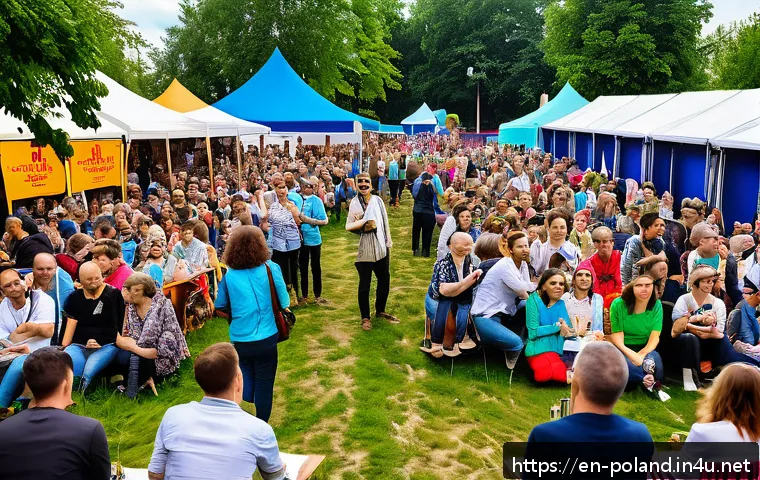
Literary festivals and book fairs remain a cornerstone of reader engagement in Poland, fostering direct interaction between authors, publishers, and readers.
Events like the Warsaw Book Fair or Kraków’s literary festivals attract tens of thousands annually, featuring panel discussions, workshops, and book signings.
What stands out is how these gatherings blend cultural celebration with commercial activity, creating vibrant atmospheres where readers can immerse themselves in the literary world.
From attending a few myself, I can attest to the electric buzz these events generate, often sparking lifelong reading habits and encouraging local tourism around literary hotspots.
Innovations in Personalized Marketing
Publishers and booksellers are increasingly using data analytics to tailor marketing campaigns, enhancing customer experiences through personalized recommendations and targeted promotions.
Loyalty programs, email newsletters, and app notifications are crafted based on reading history and preferences, making marketing feel less intrusive and more helpful.
For example, some Polish bookstores offer curated monthly book boxes matching subscriber tastes, which I found to be a delightful way to discover new authors.
This customer-centric approach is boosting retention rates and deepening reader loyalty in an otherwise highly competitive market.
Exploring the Digital-Print Hybrid Model
The Resurgence of Print in a Digital Era
Despite the undeniable growth of digital reading, print books remain a beloved format in Poland. There’s a tangible nostalgia and aesthetic appeal to physical books that digital formats can’t replicate.
Many readers I know still prefer the feel of paper and the visual charm of well-designed covers. Publishers have responded by releasing special editions and collector’s prints that turn books into art objects, appealing to enthusiasts and gift buyers alike.
This duality between digital convenience and print’s sensory experience enriches the market, offering something for every kind of reader.
Innovative Print-on-Demand Services
Print-on-demand technology is gaining momentum in Poland, enabling authors and small publishers to produce books without large upfront costs or inventory risks.
This model supports a more sustainable approach, reducing waste and allowing for greater experimentation with niche titles. I recently came across several indie authors who successfully used print-on-demand to reach their audiences, bypassing traditional gatekeepers.
This technology democratizes publishing, making it more accessible and responsive to reader interests.
Integration of Augmented Reality in Print
A cutting-edge trend emerging in Poland is the integration of augmented reality (AR) into printed books, enhancing reader engagement through interactive content.
Imagine scanning a page with a smartphone to unlock multimedia features like animations, videos, or author commentary. This innovation bridges the gap between tactile and digital experiences, attracting younger readers and tech enthusiasts.
While still niche, AR-enhanced books showcase Poland’s willingness to experiment and push boundaries in publishing.
The Role of Translation and International Collaboration
Polish Literature Crossing Borders
Polish authors have gained international acclaim, and the translation of their works plays a crucial role in expanding the country’s literary footprint.
Translators act as cultural ambassadors, carefully adapting stories to resonate with global audiences while preserving local flavor. I’ve noticed that recent translations cover a broad spectrum from contemporary fiction to historical narratives, reflecting Poland’s diverse literary output.
International collaborations between Polish publishers and foreign counterparts have also increased, facilitating co-productions and joint marketing campaigns that amplify reach.
Challenges and Opportunities in Translation
Translation is not without its challenges—nuances in language and cultural references require sensitive handling to maintain authenticity. However, these challenges open opportunities for creative solutions and dialogue between cultures.
Polish publishers are investing more in quality translations and working closely with experienced translators to elevate the global presence of their books.
Personally, I find that well-translated Polish literature offers a unique window into the country’s history, society, and imagination, enriching readers worldwide.
Global Digital Platforms as Gateways
Digital platforms like Amazon Kindle and Apple Books have become vital channels for international readers to access Polish literature. These platforms provide tools for self-publishing and global distribution that were previously unavailable or cost-prohibitive.
From what I’ve seen, Polish authors are increasingly leveraging these tools to build international followings without relying solely on traditional publishers.
This democratization of access is transforming how Polish stories are shared and appreciated worldwide.
Market Trends Shaping the Future of Reading
Rising Popularity of Genre Fiction
Genres such as fantasy, crime thrillers, and speculative fiction are witnessing a surge in popularity among Polish readers. This trend reflects broader global patterns but is infused with local cultural elements that make the stories uniquely Polish.
From my conversations with readers, there’s a growing appetite for imaginative worlds and suspenseful narratives, which publishers are eagerly meeting with fresh titles and series.
This genre expansion is vital for attracting younger demographics and diversifying the market’s offerings.
Sustainability and Eco-Friendly Publishing
Environmental consciousness is influencing publishing practices in Poland, with more publishers adopting sustainable paper sources, eco-friendly inks, and recyclable packaging.
Readers increasingly value transparency about production ethics, and publishers respond by highlighting their green initiatives. I appreciate how this focus on sustainability adds a layer of responsibility to the industry, appealing to conscientious consumers and aligning with global environmental goals.
Hybrid Reading Experiences
Combining print, digital, and audio formats, hybrid reading experiences are becoming the norm. Readers enjoy flexibility—switching between formats depending on context and mood.
For instance, I often start with an e-book during the day and switch to the printed version for relaxed weekend reading. This fluid approach maximizes convenience without sacrificing the pleasure of physical books, and publishers are adapting by offering bundled packages and multi-format releases.
Key Players and Their Market Impact
Major Publishing Houses
The biggest publishing companies in Poland continue to dominate in sales and influence, but they’re also embracing innovation to stay relevant. They invest heavily in marketing, rights acquisition, and digital infrastructure, setting industry standards.
Their ability to balance commercial success with literary quality is impressive and crucial for sustaining the market’s health.
Emerging Startups and Tech Innovators
Startups focused on book discovery apps, AI-powered recommendation engines, and virtual reading communities are reshaping reader engagement. These tech innovators inject fresh energy and new business models into the market, often collaborating with traditional publishers to integrate technology seamlessly.
I’ve tried several reading apps from Polish startups and found their user experience refreshingly intuitive and tailored to modern lifestyles.
Author-Driven Publishing Models
Some authors are bypassing conventional routes entirely, using platforms to self-publish and directly connect with readers. This model offers greater creative control and financial transparency but requires authors to take on marketing and distribution roles.
It’s a bold approach that reflects changing power dynamics in the industry and encourages entrepreneurial spirit among writers.
| Sector | Key Characteristics | Impact on Market |
|---|---|---|
| Traditional Publishing Houses | Centuries-old, hybrid print/digital, high editorial standards | Maintain literary heritage, ensure quality, balance innovation |
| Independent Presses | Risk-taking, niche genres, community-driven | Enhance diversity, promote emerging voices, agile marketing |
| Digital Platforms | Subscription models, audiobooks, interactive content | Expand access, engage younger readers, personalize experiences |
| Marketing Innovations | Influencer collaborations, data-driven targeting, events | Boost visibility, deepen reader loyalty, increase sales |
| Emerging Technologies | Print-on-demand, AR integration, AI recommendations | Reduce waste, enhance engagement, democratize publishing |
In Conclusion
The dynamic Polish publishing scene beautifully blends tradition with innovation, creating a rich literary ecosystem that appeals to diverse readers. From time-honored publishing houses to cutting-edge digital platforms, the industry continues to evolve while honoring its cultural roots. This balance not only preserves literary heritage but also embraces new opportunities, ensuring a vibrant future for readers and creators alike.
Useful Information to Keep in Mind
1. Traditional publishing houses maintain high editorial standards while adapting to digital trends, ensuring quality and cultural preservation.
2. Independent presses play a crucial role in promoting diverse and experimental literature, often connecting with readers more personally.
3. Digital platforms enhance accessibility through audiobooks, subscription services, and interactive features, expanding the reader base.
4. Marketing strategies involving influencers, data-driven personalization, and community events effectively boost engagement and sales.
5. Emerging technologies like print-on-demand and augmented reality are transforming how books are produced and experienced.
Key Takeaways
The Polish book market thrives by balancing respect for its literary traditions with innovative approaches that meet modern reader expectations. Publishers and authors are increasingly embracing technology and personalized marketing, while maintaining a strong commitment to quality and cultural significance. This multifaceted approach fosters diversity, sustainability, and global reach, making Poland’s literary landscape both resilient and forward-thinking.
Frequently Asked Questions (FAQ) 📖
Q: How is Poland balancing its rich literary tradition with modern digital publishing trends?
A: Poland manages this balance impressively by nurturing its deep-rooted storytelling heritage while actively adopting new technologies. Traditional publishers continue to champion classic Polish literature, ensuring these works remain accessible and celebrated.
Simultaneously, digital platforms and independent presses are experimenting with e-books, audiobooks, and interactive content, making literature more engaging and widely available.
This dual approach keeps the literary culture vibrant, appealing both to long-time readers and younger, tech-savvy audiences.
Q: What role do independent publishers play in Poland’s current book market boom?
A: Independent publishers are a driving force in Poland’s literary scene today. Unlike large publishing houses, they often take risks on emerging authors and unconventional genres, which brings fresh voices to readers.
Their agility allows them to quickly adapt to digital marketing and distribution channels, increasing reach without sacrificing quality. From my experience following the market, independents create a more diverse and dynamic reading environment, which attracts both local readers and international interest.
Q: How has digital transformation changed how Polish books reach global readers?
A: Digital transformation has significantly expanded the global reach of Polish literature. With the rise of e-books and online bookstores, Polish authors and publishers can now connect with readers worldwide without the barriers of physical distribution.
Audiobooks and translations have also surged, making Polish stories more accessible internationally. From what I’ve observed, this shift not only boosts sales but also fosters cultural exchange, allowing Poland’s unique literary heritage to resonate far beyond its borders.