Hitchhiking is generally possible in Poland, but pedestrians must not use motorways or expressways to seek rides. It can work on some city-to-city and rural routes, yet a paid backup plan is essential because waiting time and ride availability are uncertain.
For travelers focused on the lowest possible spend, it offers flexibility but not reliable timing. Trains and coaches are usually more predictable, while rideshare or carpooling can sit between public transport and hitchhiking.
Weather, daylight, luggage, language, and your distance from a useful road can quickly change which option makes sense. Keep enough Polish złoty or card access for a rail ticket, coach booking, or last-minute alternative.
At a Glance
- Hitchhiking is generally practiced in Poland, especially between cities and in rural areas, but local road rules and conditions still apply.
- Do not stand on or solicit rides from motorways or expressways; pedestrians are not permitted there.
- Use fuel stations, service areas, or legal pull-off points where possible, and keep funds for a train, coach, or rideshare backup.
| Transport option | Cost predictability | Booking need | Timing control | Personal safety control |
|---|---|---|---|---|
| Hitchhiking | Low | None | Low | Lower; depends on the situation and driver |
| Train | Higher | Useful when timing matters | Higher | Higher; fixed public route |
| Coach | Higher | Useful when timing matters | Higher | Higher; fixed public route |
| Rideshare or carpooling | Moderate | Usually needed | Moderate | Moderate; review trip details before agreeing |
Can Travelers Hitchhike in Poland?
The Practical Answer for Visitors
Visitors can generally hitchhike in Poland, particularly on routes between cities and in rural areas. That does not mean every roadside location is suitable. A practical plan begins with a place where drivers can notice you, decide safely whether to stop, and pull in without creating danger.
Hitchhiking works best when you treat it as a flexible travel method rather than a guaranteed free transfer. You may get a useful lift quickly, or you may wait longer than expected because of weather, daylight, language barriers, route demand, or poor access to through traffic.
Roads and Locations to Avoid
Avoid high-speed road environments and any place where a driver would have to stop suddenly or unsafely. Do not assume that a junction, petrol station entrance, roadside shoulder, or private property is automatically acceptable for asking for a lift. Access rules and local conditions must be checked at the specific location.
If a location feels exposed, confusing, or difficult for a vehicle to leave safely, move rather than trying to make it work. Saving money is not worth placing yourself close to fast traffic.
Why Motorway and Expressway Access Changes the Plan
Pedestrians are not permitted on Polish motorways (autostrady) or expressways (drogi ekspresowe). That means you should not walk along them, stand on their shoulders, or try to signal drivers from the roadway.
Instead, plan around accessible places off those roads, such as a fuel station near a major route, a service station where you are allowed to be, or a legal pull-off point. The goal is to meet drivers before they enter restricted high-speed sections, not after.
Hitchhiking vs Trains, Coaches, and Rideshares
Cost Predictability and Hidden Expenses
Hitchhiking can reduce the direct transport cost, but it does not make a journey cost-free. A long wait can lead to an unplanned meal, extra mobile data use, a late accommodation decision, or a last-minute public transport purchase. Keep a separate backup transport budget rather than spending every złoty on the assumption that a ride will appear.
Rail tickets and intercity coach bookings are usually easier to budget because the route and departure are defined in advance. Rideshare and carpooling options may offer a middle ground, although price and availability can vary by route, time, and demand.
Time, Route Flexibility, and Booking Certainty
Hitchhiking is flexible only when your schedule is flexible. It can be useful if you are happy to change plans, accept an imperfect drop-off point, or stop in a different town. It is a weak choice when you need to reach a check-in, a flight connection, a reserved tour, or a late-evening destination at a specific time.
Poland has extensive intercity rail and coach connections, making them practical when you need predictable travel. Compare departure times and route changes before leaving. A reserved seat or ticket may be worth more than the apparent savings from hours spent waiting.
Which Option Works Best for Solo Travelers and Small Groups
A solo traveler can be easier for a driver to accommodate, but should take personal comfort and communication seriously. A pair may have more mutual support, while a small group or travelers with large luggage may find it harder to match with available cars.
For groups, trains and coaches often provide simpler coordination. For solo travel, a rideshare platform can offer more route information than roadside hitchhiking, while still giving some flexibility. The right option depends on how much uncertainty you are willing to accept.
How to Find a Safer Place to Ask for a Ride
Fuel Stations, Service Areas, and Legal Pull-Off Points
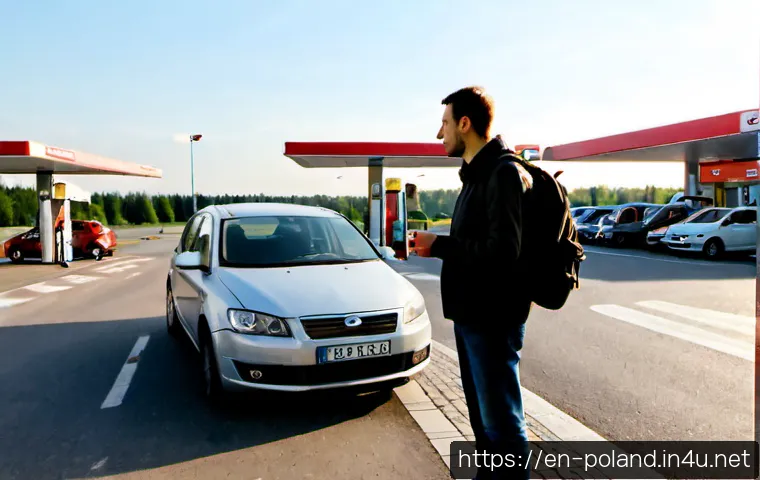
Fuel stations near major routes, service areas with permitted access, and legal roadside pull-off areas can be more practical than standing beside moving traffic. At a fuel station, politely asking drivers who are already stopped can be clearer and less disruptive than trying to flag down vehicles.
Always check whether you may access and remain at the location. Individual service stations, roadworks, and private areas can have their own rules. Never treat a convenient-looking place as automatically permitted.
Using Destination Signs and Basic Polish Phrases
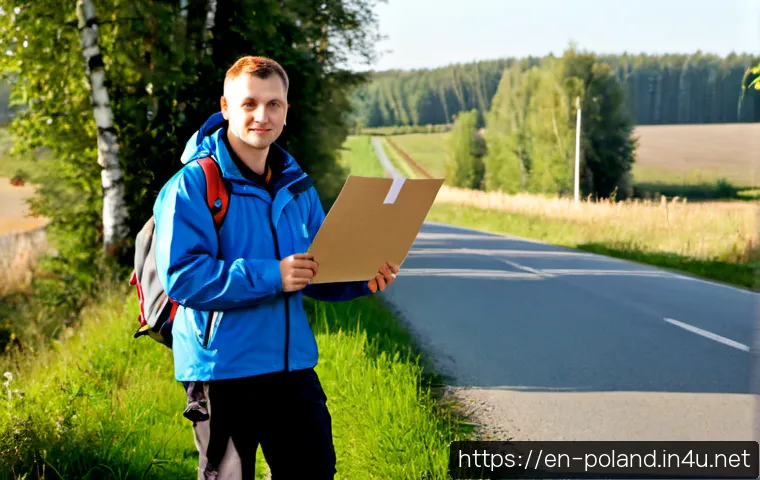
A large, clearly visible destination sign helps drivers understand your intended direction quickly. Keep it simple: use the next major city or a broadly recognized route direction rather than a long final itinerary.
You do not need advanced Polish, but a polite greeting and a clear destination can reduce confusion. Your phone can help show an offline map or typed destination if conversation is difficult. Do not rely on mobile coverage alone.
What Not to Do Near High-Speed Traffic
Do not walk on motorways or expressways. Do not stand where a driver must brake abruptly, cross multiple lanes, or stop in a travel lane. Do not step into the road, chase a vehicle, or accept a pickup point that makes you feel unsafe.
If traffic is fast, visibility is poor, or the shoulder is narrow, the answer is simple: leave the area and use another transport option.
Safety, Backup Money, and Common Mistakes
Daylight, Route Sharing, and Phone Readiness
Daylight generally makes it easier to assess your surroundings, read signs, and choose a better waiting point. Keep a charged phone, offline maps, identification, and enough funds for an alternative journey. A mobile data plan or travel eSIM can be useful for checking rail tickets, coach departures, rideshare availability, and route changes while moving between cities.
Tell someone your general route and expected destination when possible. If plans change, update them rather than assuming a lift will follow the route you expected.
Setting a Personal Comfort Boundary with Drivers
You can decline any ride. You do not need to justify the decision if the driver, vehicle, proposed route, or conversation makes you uncomfortable. Agree on the intended destination or drop-off area before getting in, and keep your belongings accessible.
Your comfort boundary matters more than avoiding an awkward moment. If the arrangement changes in a way you do not accept, choose public transport or another option.
When to Stop Waiting and Book Alternative Transport
Set a personal cutoff before you begin: for example, stop waiting when daylight is fading, weather worsens, your phone battery becomes a concern, or you are no longer comfortable with the location. This is not a failure; it is good budget travel planning.
Before leaving your accommodation, check what rail and coach connections may still be available later in the day. That gives you a realistic escape route if hitchhiking does not work.
Planning by Route and Travel Style
Major-City Routes Versus Rural Destinations
Major-city routes may have more potential traffic, but they also require better planning around restricted roads and safe access points. Rural destinations can offer quieter conditions, yet fewer passing vehicles and longer distances from useful connections.
For either type of route, identify a public transport fallback before you start. The availability of a ride on a particular date cannot be predicted.
Traveling Alone, as a Pair, or With Large Luggage
Pack with your transport choices in mind. Large bags can make it harder to fit into a vehicle and can make train or coach travel feel more attractive. A pair should agree in advance on when to stop waiting and whether both people are comfortable accepting a ride.
Solo travelers should be especially conservative about late arrivals, isolated locations, and drivers whose plan is unclear.
Winter, Rain, and Late-Evening Considerations
Bad weather and darkness can reduce visibility and make waiting less comfortable. They can also affect whether drivers are willing or able to stop. In winter, rain, or late evening, reserved rail or coach transport may be the more sensible choice even if hitchhiking looked attractive earlier in the day.
Selection Criteria and Transport Comparison Summary
Choose Hitchhiking When Flexibility Matters More Than Arrival Time
Hitchhiking may suit you when you have daylight, light luggage, a flexible schedule, a safe legal waiting location, and enough money to abandon the plan. It is not a good fit for a fixed connection or a destination where arriving late creates a problem.
Choose Reserved Transport When Timing or Safety Control Matters Most
Choose a train or coach when you need a known departure, a clearer arrival plan, and more control over the journey. Consider rideshare or carpooling when you want a road-based option with trip details arranged in advance. For longer or more complex travel, consider whether travel insurance fits your needs and read the policy conditions carefully.
A Simple Emergency Transport Budget Checklist
Before hitchhiking, check these points:
- Alternative route: Know the next workable rail or coach connection.
- Payment access: Keep sufficient funds or a usable card for an unexpected booking.
- Phone readiness: Carry a charged phone, offline maps, and enough mobile data or an eSIM plan.
- Time cutoff: Decide when you will stop waiting.
- Insurance details: Review travel insurance coverage and exclusions if you are considering a policy.
Compare rail tickets, coach bookings, rideshare details, travel insurance terms, and mobile data options on the relevant provider pages before you commit to a route.
Conclusion
Hitchhiking in Poland can be part of a flexible budget trip, but it should not be treated as guaranteed transport. Stay away from motorways and expressways, choose safer legal places to ask, and keep a practical alternative ready. For travelers with a strict arrival time, public transport usually provides a clearer plan. The best low-cost choice is the one that still leaves you safe, connected, and able to change course.
Useful Things to Know
1. A destination sign can make your intended direction easier for drivers to understand.
2. Offline maps remain useful when coverage or data access is limited.
3. A fuel station may be more practical than a roadside shoulder, but access rules still need checking.
4. Keep your identification and essential belongings easy to reach.
5. A backup ticket is often cheaper than the consequences of being stranded late.
Important Notes
Rules, access arrangements, roadworks, enforcement practices, ticket prices, rideshare availability, and driver behavior can change by location and date. Check the specific road location, station, service area, and transport provider before traveling. No one can reliably predict waiting time, ride availability, route match, or the suitability of a particular driver.
Frequently Asked Questions
Q1. Is hitchhiking legal in Poland for foreign tourists?
A1. Hitchhiking is generally practiced in Poland, including by visitors, but road rules and local conditions apply. Pedestrians are not permitted on motorways or expressways, and the legality or suitability of a specific roadside location, service station, or private area should be checked locally.
Q2. Is it safe to hitchhike in Poland alone, and what precautions should I take?
A2. Solo travelers should use extra caution. Choose a safer legal waiting place, travel in daylight when possible, keep a charged phone and offline maps, share your general route, and decline any ride that makes you uncomfortable. Carry enough funds for rail, coach, or rideshare transport if your plan changes.
Q3. Is hitchhiking cheaper than trains, buses, or rideshare in Poland?
A3. It may have a lower direct cost, but it is less predictable. Waiting can create extra spending or force a last-minute alternative booking. Trains and coaches offer more predictable scheduling, while rideshare can be a middle option. Compare the current route-specific prices and availability before deciding.