For a first multi-city trip, a Warsaw–Kraków–Gdańsk itinerary is a practical starting point, while a 7–9 day loop can add Wrocław or Poznań without relying on domestic flights.
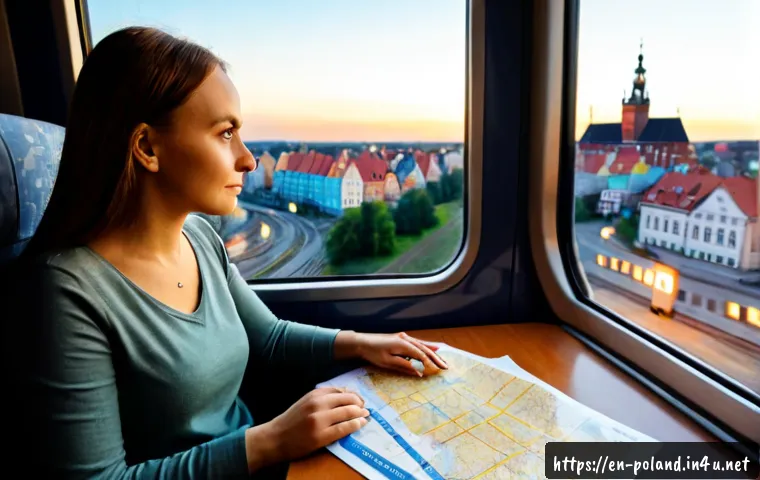
The best ticket choice depends on your exact travel days, train categories, and need for flexibility, so compare individual rail tickets with a rail pass before paying.
PKP Intercity connects the main visitor hubs, and selected routes use faster Express InterCity Premium services. Staying near a central station can make early departures, hotel check-ins, and luggage handling much easier.
Budget travelers can use regional services for selected local legs, but should check the operator and ticket conditions carefully. Before booking, verify the Warsaw station name, fare rules, and whether seat reservations apply.
At a Glance
- First visit: Build around Warsaw, Kraków, and Gdańsk, all of which have useful central rail hubs.
- More time: Add Wrocław or Poznań for a wider route rather than repeatedly returning to Warsaw.
- Before paying: Compare point-to-point tickets, rail pass conditions, seat options, and station-area hotels for your exact dates.
| Decision Area | Usually Best When | What to Check Before Booking |
|---|---|---|
| Point-to-point tickets | You have a defined route and a limited number of longer train journeys. | Fare conditions, refund terms, train category, and departure station. |
| Rail pass | You expect several travel days and value a flexible plan. | Whether reservations are needed and whether the pass beats individual tickets for your itinerary. |
| Faster intercity service | You want to protect sightseeing time on major city-to-city legs. | Available departures, seat availability, and the total cost versus slower options. |
| First-class seating | You prefer more personal space or a quieter travel day. | The actual upgrade difference and the conditions attached to that ticket. |
| Hotel near a central station | You have short stays, early trains, or multiple hotel changes. | Walking route, arrival time, luggage needs, and whether the area still suits your sightseeing plans. |
Start With a Route That Matches Your Trip Length
The simplest Poland train itinerary is not necessarily the one with the most cities. Choose a route based on how many hotel changes you can comfortably manage, how many full sightseeing days you want, and whether you are willing to backtrack. Warsaw, Kraków, Gdańsk, Wrocław, Poznań, Katowice, and Lublin are among the cities connected by major long-distance rail services.
A 4–5 Day Warsaw–Kraków–Gdańsk Route
A short trip can work well with Warsaw, Kraków, and Gdańsk, but it requires a clear priority for each stop. Warsaw offers a natural arrival or departure hub, while Kraków Główny and Gdańsk Główny are useful central stations for visitors. Keep the schedule focused: a travel day is not automatically a full sightseeing day, especially when hotel check-in and luggage are involved.
For this type of trip, faster long-distance trains may be worth comparing because they can preserve more usable time in each city. Do not assume every service has the same ticket rules. Check the specific train category and the conditions attached to the fare you select.
A 7–9 Day Loop Including Wrocław or Poznań
With more time, add Wrocław or Poznań to create a broader route through Poland. This can reduce the feeling of rushing between the country’s most popular stops and gives you room for a slower morning, a museum visit, or a guided day trip. Wrocław Główny is a useful hub when building an itinerary around the southwest, while Poznań can fit naturally into a route involving Warsaw or western connections.
The caution is simple: more stops mean more check-ins, more packing, and more opportunities for a missed connection to affect the plan. Add a city because you want time there, not only because it appears convenient on a map.
When a One-Way Route Is Better Than Returning to Warsaw
A one-way route can be a smarter choice when your arrival and departure plans allow it. For example, moving through several cities in one direction may avoid spending extra time returning to Warsaw solely for a flight or another onward journey. It also reduces duplicate train segments and another hotel night in the same place.
Before choosing this approach, compare flight or onward transport options separately from rail tickets. The lowest train fare does not always create the lowest overall trip cost if it leads to inconvenient accommodation, awkward arrival times, or a rushed final day.
Compare Train Types, Ticket Options, and Total Travel Value
Poland’s rail network includes long-distance and regional services. The right choice is less about finding one “best” train and more about matching speed, comfort, ticket terms, and itinerary pressure to each journey.
Faster Intercity Services Versus Regional Trains
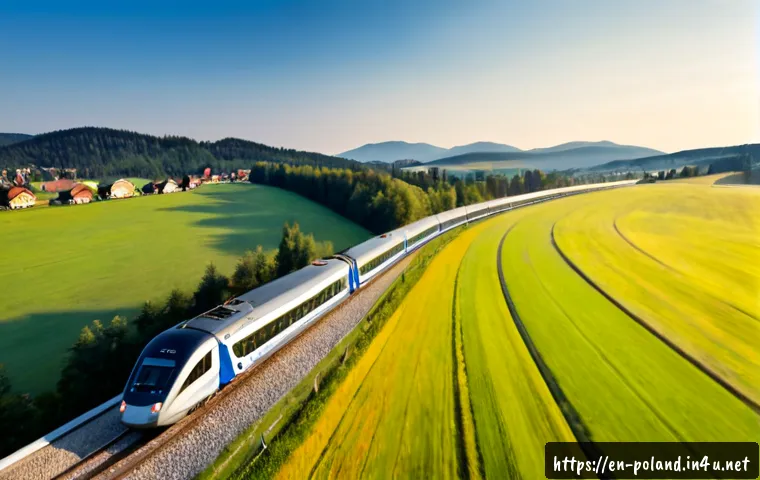
PKP Intercity operates key long-distance connections, including selected Express InterCity Premium services. These faster services may suit major city-to-city travel when a short break has a tight schedule. Compare them with other available long-distance options rather than assuming the fastest service is always the best value.
Regional train operators can be useful for smaller cities and local destinations. However, regional coverage and ticket rules can vary by region. Treat a regional ticket as its own product: confirm the operator, route, validity, and conditions instead of assuming that it works like a long-distance intercity ticket.
Point-to-Point Tickets Versus a Rail Pass
A rail pass is not automatically cheaper, and individual tickets are not automatically simpler. Start by listing every planned travel day, then compare the actual ticket options for those legs with the rail pass rules. This is especially important if your itinerary includes only a few long-distance journeys.
- Choose point-to-point tickets when your route, dates, and train times are mostly fixed.
- Consider a rail pass when you expect multiple travel days and value the ability to adjust the route.
- Check whether your chosen services require reservations or have limited seats.
- Include any potential reservation costs and the practical value of flexibility in your comparison.
Use PLN when reviewing the booking total, and check your card’s foreign-currency conversion and payment terms before completing the purchase. A ticket comparison should consider the full checkout amount, not only the headline fare.
When First Class, Reserved Seats, or Flexible Fares May Be Worth Paying For
First class can be a reasonable upgrade when personal space, a calmer environment, or a more comfortable work-and-travel day matters to you. It may be less important for a short, straightforward journey when you would rather direct the budget toward accommodation or activities.
Reserved seats and flexible fare conditions deserve special attention if you are traveling with family, carrying heavier luggage, or connecting from an international arrival. Read the refund and exchange terms before booking. The value is not just comfort; it can be less stress when the rest of the itinerary has little spare time.
Build a Practical Multi-City Itinerary
A good rail itinerary leaves room for real travel tasks. Train journeys involve reaching the station, locating the correct departure information, boarding with luggage, arriving at a new station, and checking into a hotel. Those steps matter more than an optimistic route plan.
Choosing Station-Area Accommodation Without Sacrificing the City Experience
A central hotel near Warszawa Centralna, Kraków Główny, Gdańsk Główny, or Wrocław Główny can be valuable for short stays. It may make an early departure easier and reduce the need to navigate unfamiliar local transport with bags. This can be particularly helpful for travelers who prefer a simpler walking route after arrival.
That said, “near the station” should not be the only filter. Review the property’s location in relation to the neighborhoods and sights you actually plan to visit. Compare station-area hotels by walking convenience, room setup, check-in arrangements, and cancellation conditions.
Allowing Realistic Transfer, Check-In, and Sightseeing Time
Leave a buffer around every change of train, especially when the connection is essential to a hotel booking, tour meeting point, or international departure. Exact platform assignments and journey times can change, so use the current booking details rather than an old itinerary screenshot.
It is also wise to avoid scheduling a major attraction immediately after arrival. A flexible first activity—such as a neighborhood walk, café stop, or casual dinner—gives your plan room to absorb delays without spoiling the day.
Planning Day Trips Without Overloading the Schedule
Day tours can add variety without another hotel change, particularly from major hubs. They work best when the base city already has enough nights to support a relaxed departure and return. If you are comparing guided day trips, look at the meeting location, return timing, transport included, and cancellation terms.
Do not turn every open day into a day trip. A multi-city rail holiday is more enjoyable when you keep some time for the city you paid to stay in.
Booking Steps and Common Mistakes to Avoid
Booking is straightforward when you verify the small details. The most common problems come from choosing the wrong station, confusing train categories, or assuming all ticket conditions are identical.
Check the Operator, Station Name, Train Category, and Ticket Conditions
Warsaw has multiple major rail stations, so always match the station shown on your ticket with the station you plan to use. Do the same at arrival: a Warsaw station name is not interchangeable with another Warsaw station name.
Check the operating company, train category, departure time, ticket validity, luggage rules, and refund terms. These details can change by service and booking channel. If a booking page shows reservation information, read it before paying rather than assuming it is included or optional.
Keep Tickets and Travel Documents Accessible Before Boarding
Keep your ticket, passport or required travel document, booking confirmation, and hotel address easy to access. This is a small habit that makes a station transfer less stressful. If you use a phone for tickets, consider how you will access it if battery power or mobile data becomes limited.
What to Do If a Connection Changes or a Train Is Delayed
Check live departure information near travel time and follow the instructions linked to your ticket or booking channel. If a connection changes, confirm the revised station, platform, and train category before moving. Avoid relying solely on another traveler’s platform information, since their ticket may be for a different service.
When a delay affects a hotel, transfer, insurance matter, or tour booking, keep relevant confirmations and review the provider’s current conditions. Do not assume a particular outcome; policies vary.
Route Variations for Different Travel Styles
Best Approach for First-Time Visitors
First-time visitors usually benefit from a limited set of major hubs: Warsaw, Kraków, and Gdańsk are a clear starting combination. Use a central station-area hotel for one or two short stays if convenience matters, and build in at least one unscheduled block of time. Faster intercity services may be worth considering on the longest or most time-sensitive rail day.
Lower-Cost Route Planning for Budget Travelers
Budget planning starts with fewer hotel changes and a realistic list of travel days. Compare individual tickets against a rail pass based on your exact schedule, then examine regional options only where they genuinely serve your route. A lower upfront ticket price may not be the best value if it creates inconvenient arrivals or causes you to lose a paid sightseeing day.
Slower Cultural Stops and Smaller-City Additions
Travelers with more time can use regional connections to explore beyond the largest hubs. This style suits visitors who enjoy slower travel and can accept that service coverage and ticket rules vary by region. Keep these additions flexible, and avoid placing a smaller-city stop immediately before a time-critical international connection.
Selection Criteria and Comparison Summary
Make the final choice using these practical checks:
- Travel days: Count every rail day before comparing a pass with individual tickets.
- Hotel changes: Fewer bases may offer better value than adding a city for one night.
- Transfer tolerance: Choose simpler connections if missed trains would disrupt the trip.
- Time value: Consider faster intercity service when it protects a meaningful part of a short visit.
- Comfort needs: Compare first-class seating or reserved-seat options if space and predictability matter.
- Booking protection: Review travel insurance coverage, ticket conditions, and hotel cancellation rules for your own plans.
Before paying, compare rail tickets, station-area hotels, travel insurance coverage, and guided day tours on the relevant provider pages, with the current terms visible.
Final Thoughts
Poland is well suited to a city-to-city train trip when the route stays focused. Start with the major hubs, then add Wrocław, Poznań, Katowice, Lublin, or smaller destinations only when the travel days support them. The most useful booking decision is often not the cheapest ticket in isolation, but the option that gives your itinerary enough time and flexibility. Confirm current train details shortly before travel, especially for station names and connections.
Useful Things to Know
1. Poland uses the Polish złoty (PLN), so check foreign-currency and card payment terms before booking.
2. Kraków Główny, Gdańsk Główny, Wrocław Główny, and Warszawa Centralna are useful central hubs for many visitor itineraries.
3. Regional tickets may have different rules from long-distance intercity tickets.
4. Booking conditions, luggage rules, reservation requirements, and schedules can vary by service.
Important Notes
Exact fares, journey durations, platform assignments, available seats, disruption notices, and station facilities should be checked for your travel date. A rail pass may or may not cost less than individual tickets for a particular itinerary. Confirm the current terms directly through the booking channel or operator before making non-refundable plans.
Frequently Asked Questions
Q1. What is the best train route for a first trip to Poland?
A1. A practical first route is Warsaw–Kraków–Gdańsk because these cities are linked by major long-distance rail connections and have useful central stations. If you have more time, Wrocław or Poznań can be added as part of a wider loop.
Q2. Is it cheaper to buy individual Poland train tickets or use a rail pass?
A2. It depends on your exact travel days, chosen services, reservation requirements, and current ticket conditions. List each planned journey, compare the current point-to-point total with the rail pass cost, and include any reservation conditions before deciding.
Q3. How far in advance should I book trains between Warsaw, Kraków, Gdańsk, and Wrocław?
A3. Check the current booking availability and fare conditions for your dates. Departure times, limited seats, reservation requirements, and refund terms can change by service and booking channel, so confirm the details before finalizing hotels or other non-flexible plans.