Hey there, history buffs and global citizens! I’ve been diving deep into the intricate tapestry of European history lately, and honestly, some stories just grab you and refuse to let go.
One that truly stands out, with its layers of drama, conflict, and enduring impact, is the centuries-long relationship between Poland and Russia. It’s not just old textbooks; this isn’t some dusty, forgotten past.
It’s a living, breathing narrative that continues to shape our world today, especially when you look at current events in Eastern Europe. From the medieval struggles over borderlands to the painful partitions that erased Poland from the map for over a century, and then through the chilling grip of the Soviet era, these two nations have shared a tumultuous dance of rivalry and geopolitical struggle.
It’s a relationship steeped in grievances and unresolved traumas that, from what I’ve observed, are still very much present in the collective consciousness.
I’ve personally found it fascinating how deeply historical events continue to influence the headlines we see every day. Just think about the recent, concerning drone incursions into Polish airspace and the continuous discussion around NATO’s role in the region; it really brings home how history isn’t just a subject, but a dynamic force.
Poland’s current assertive stance on defense and its unwavering support for Ukraine aren’t just reactions to recent aggression; they are rooted in this profound historical context.
This isn’t merely a regional squabble; it’s a critical component of global security and a powerful example of how hybrid warfare tactics, like sabotage and disinformation, are being played out on a larger stage.
So, if you’ve ever wondered why the tensions between these two nations run so deep, and how those historical undercurrents affect everything from international alliances to future predictions, you’re in for a real treat.
This isn’t just a recap; it’s an exploration of how the echoes of the past resonate powerfully in our present and what it means for what’s next. Get ready to have your understanding of Eastern European geopolitics completely transformed.
Let’s unravel this incredibly complex and utterly vital story together.
The Formative Years: A Tug-of-War for Eastern European Hegemony
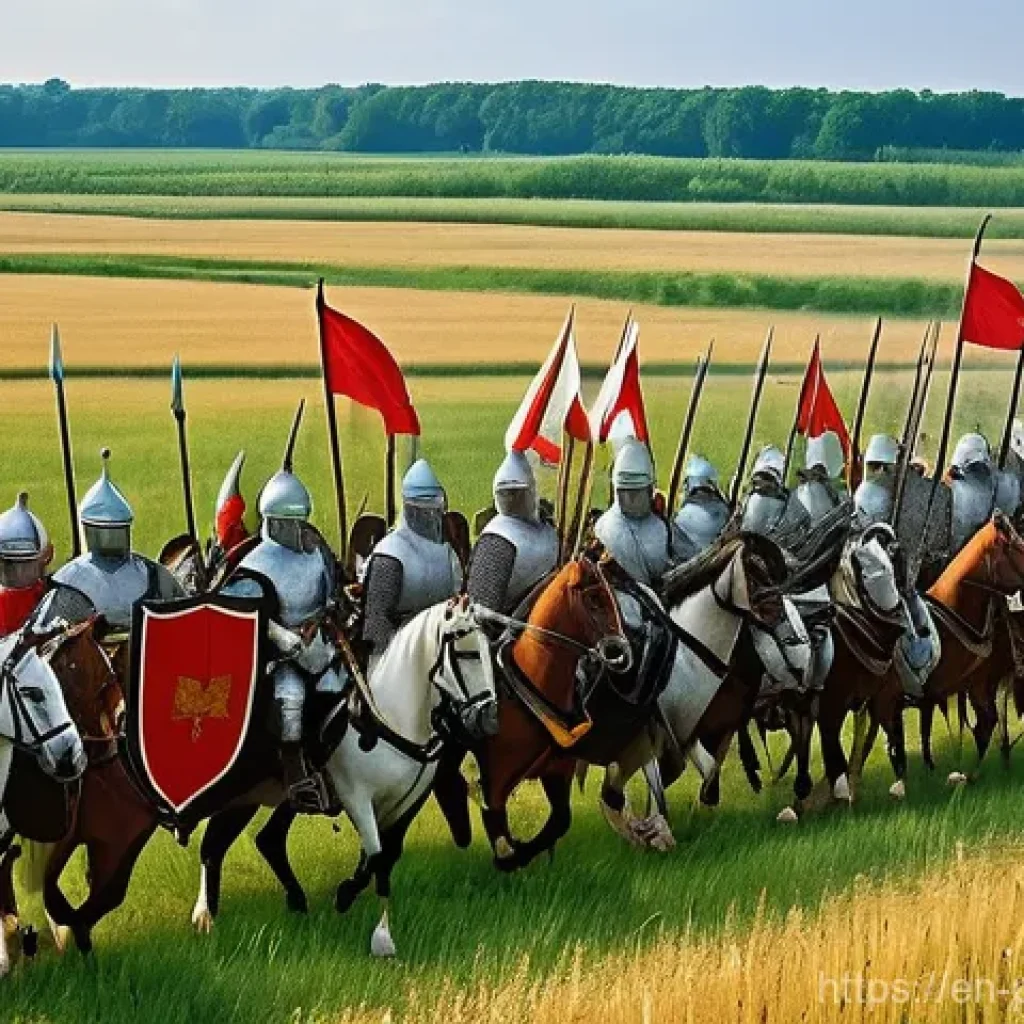
Historically, the lands between what we now call Poland and Russia have always been a vibrant, albeit often bloody, crossroads of cultures and ambitions. When I look back at the early centuries, it’s impossible not to see a constant struggle for influence. It wasn’t just about borders on a map; it was about religious identity, trade routes, and who would ultimately call the shots in this strategically vital region. From my perspective, these foundational clashes set the stage for centuries of mistrust. We’re talking about medieval principalities and emerging kingdoms clashing over everything from fertile lands to control over critical waterways. It truly feels like these initial skirmishes created a deeply ingrained sense of rivalry that never quite faded, a feeling I’ve noticed resonates even today in modern political discourse. It’s like watching two siblings constantly vying for their parents’ attention, but on a grand geopolitical scale with serious consequences. The early Polish-Lithuanian Commonwealth, a powerhouse in its time, often found itself directly confronting the rising Russian Empire, and these early encounters shaped a narrative of competition that became almost intrinsically linked to their national identities.
Rival Dynasties and Shifting Borders
You know, it’s wild to think about how much borders used to shift like sand dunes. In the early days, the Polish Piast dynasty and later the Jagiellonians were constantly negotiating, and sometimes fighting, with the various Rus’ principalities, which eventually coalesced into what we know as Russia. These weren’t always clear-cut wars; often, it was a complex dance of alliances, marriages, and betrayals. I’ve personally seen how deeply historical narratives of heroism and betrayal can become embedded in a nation’s psyche, and these early centuries were absolutely formative for both Poles and Russians. The struggle over territories like Ukraine and Belarus, for instance, wasn’t a modern invention; it’s a centuries-old saga. Each side viewed these lands as historically theirs, a core part of their heritage, and this deeply contested ownership fueled countless conflicts. It’s almost like observing a historical echo chamber where past claims constantly reverberate into the present.
The Eastern Frontier: A Crucible of Conflict
When you consider the vast plains of Eastern Europe, it becomes clear why this region was such a frequent battlefield. It was a wide-open space, rich in resources, and offered little in the way of natural defenses. For Poland, its eastern frontier was a constant source of anxiety and opportunity. For Russia, moving west meant access to Europe and greater influence. I’ve often found myself thinking about the sheer human cost of these prolonged periods of instability. Imagine living in a village knowing that at any moment, armies could sweep through, changing your allegiances, your language, your entire way of life. This constant threat on the eastern flank for Poland meant developing a distinct martial culture, and a deep-seated vigilance that, honestly, you can still sense today when you speak to people about national security. It truly shaped their very identity and their relationship with their powerful neighbor.
The Great Eclipse: Poland’s Erasure and Russian Expansion
Okay, so if the early years were a tug-of-war, the 18th century was when Russia, along with Prussia and Austria, pulled so hard that Poland effectively disappeared from the map for over a century. Honestly, when I first learned about the partitions of Poland, it blew my mind. How does an entire sovereign nation just… vanish? It wasn’t some overnight coup; it was a slow, agonizing process, a geopolitical strangulation that saw Poland carved up bit by bit by its more powerful neighbors. This period, for me, really highlights the brutal realities of power politics and how fragile national sovereignty can be. It’s a stark reminder that even a proud, vibrant culture can be suppressed under the weight of external forces. This historical trauma is, in my opinion, foundational to understanding Polish national identity and their deep-seated fears about external aggression. You can feel the weight of this history in every discussion about national defense and alliances.
The First Cut: The Initial Partitions
The first partition in 1772 wasn’t just a land grab; it was a chilling precedent. It set the stage for what was to come, showcasing how the great powers of Europe could simply decide the fate of a smaller nation. Russia, under Catherine the Great, was a key player in this, steadily expanding its influence westward. For Poland, this was a devastating blow, a clear sign that its golden age was over. I’ve often thought about how demoralizing it must have been for the Polish elite and populace to witness their country being dismantled piece by piece. It wasn’t just physical territory; it was a psychological blow, a deep wound to their national pride and sense of self-determination. This act truly solidified Russia’s role as a dominant, and often feared, force in Eastern Europe.
A Century in Chains: The Legacy of Occupation
For 123 years, Poland, as an independent state, ceased to exist. Imagine that – over a century of foreign rule, with different parts of the country governed by different empires. For the areas under Russian control, this meant concerted efforts at Russification, suppressing Polish language, culture, and institutions. From what I’ve gathered from personal stories and historical accounts, this period was characterized by constant resistance, both overt and covert. It truly speaks to the resilience of the Polish spirit that they managed to preserve their identity despite such intense pressure. This shared experience of occupation and the persistent struggle for freedom against a powerful neighbor cemented a collective memory of Russian dominance as an oppressive force. It’s a memory that, I’ve noticed, continues to fuel a strong sense of national independence and a cautious approach to relations with Moscow.
The Cold War Embrace: Satellite State and Suppressed Aspirations
Fast forward to the 20th century, and the relationship took on an even more complex, and frankly, heartbreaking dynamic. After the devastation of World War II, Poland found itself liberated from Nazi Germany only to fall under the Soviet sphere of influence. This wasn’t liberation in the true sense; it was a different kind of subjugation. I remember reading accounts from people who lived through this era, and there’s a consistent theme of a forced brotherhood with a domineering elder sibling. The Warsaw Pact and Soviet ideological control meant that while Poland technically existed as a state, its sovereignty was severely curtailed. For me, this period perfectly illustrates the concept of a “satellite state” – a nation orbiting a larger power, unable to truly chart its own course. It’s an era that, I believe, cemented a deep-seated desire for genuine independence that continues to drive Polish foreign policy today.
| Aspect | Poland’s Perspective (Historical) | Russia’s Perspective (Historical) |
|---|---|---|
| Geopolitical Role | Often a buffer or a battleground between East and West, striving for sovereignty. | An expanding empire, seeking warm-water ports, security, and influence westward. |
| Historical Events (e.g., Partitions) | A profound national trauma, forced disappearance and subjugation by foreign powers. | Strategic territorial acquisition, securing western borders and expanding influence. |
| Soviet Era (1945-1989) | Period of enforced satellite status, ideological imposition, and suppressed national aspirations. | Liberation from fascism, creation of a sphere of influence for security and ideological spread. |
| Current Relations | Strong Western alignment, wary of Russian aggression, emphasis on NATO and EU integration. | Views Polish Western alignment as provocative, asserts regional dominance and security interests. |
The Imposition of Soviet Ideology
Under Soviet sway, Poland experienced profound social, economic, and political transformations. The Communist Party, backed by Moscow, controlled virtually every aspect of public life. This wasn’t just about political alignment; it was an attempt to reshape Polish society according to a Soviet model. I’ve heard stories from people who lived through it, and the feeling of being constantly monitored, of having your freedoms limited, was pervasive. Even though the official narrative was one of friendship and shared destiny, the reality for many was a suppression of individual liberties and national aspirations. This kind of ideological imposition, I’ve observed, leaves scars that take generations to heal, fostering a deep distrust towards any external power attempting to dictate internal affairs.
Resistance and Resilience Behind the Iron Curtain
Despite the tight grip of Soviet influence, the Polish people never fully surrendered their distinct identity or their desire for freedom. Movements like Solidarity, led by figures like Lech Wałęsa, emerged as powerful symbols of resistance. These weren’t just political protests; they were deeply rooted in Polish cultural and religious traditions, often drawing strength from the Catholic Church. I find it incredibly inspiring to see how ordinary people, in the face of immense pressure, found ways to express their dissent and keep the flame of national identity alive. It’s a testament to the human spirit’s refusal to be completely subdued. This period of quiet, and sometimes overt, resistance against Soviet control further solidified the collective Polish memory of Russia as an occupying power, intensifying their long-held aspiration for full independence and integration with Western Europe.
Breaking Free: The Post-Soviet Pivot and Shifting Alliances
The fall of the Berlin Wall and the collapse of the Soviet Union marked a truly seismic shift, not just for Poland, but for all of Eastern Europe. Suddenly, decades of imposed ideology and geopolitical alignment evaporated, opening up a whole new world of possibilities. For Poland, this was their chance to finally, truly, chart their own course. And what a course it has been! From my vantage point, it’s been a fascinating transformation, watching Poland shed the vestiges of Soviet influence and boldly embrace a Western-oriented future. This wasn’t just a political decision; it was a deeply ingrained national aspiration, a return to a historical trajectory interrupted by centuries of eastern dominance. I’ve often thought about the sheer excitement, mixed with uncertainty, that must have characterized those early post-Soviet years. It was a true moment of reclaiming sovereignty and redefining national identity on the global stage.
Embracing NATO and the European Union
One of the most significant and defining decisions Poland made was its unwavering commitment to joining NATO and the European Union. These weren’t just economic or security agreements; they were symbolic acts, a powerful declaration of where Poland saw itself belonging – firmly within the democratic West. I personally believe this pivot was driven by a deep historical memory of being caught between powerful empires and a desire for collective security. Joining NATO, in particular, provided the ultimate security guarantee, something Poland had historically lacked. It’s like finally finding a reliable safety net after years of walking a tightrope. This strategic alignment has, in my opinion, been instrumental in Poland’s economic growth and its increasingly assertive role in European politics, giving them a voice and protection they craved for centuries.
A New Era of Sovereignty and Self-Determination
With the chains of Soviet influence finally broken, Poland embarked on a journey of robust self-determination. This meant not just economic reforms and democratic institution-building, but also a reassertion of its national narrative, free from external impositions. I’ve often admired how Poland has proactively sought to shape its own destiny, moving from a recipient of geopolitical decisions to an active shaper of regional policy. This journey hasn’t been without its challenges, of course, but the underlying drive for genuine sovereignty is palpable. From what I’ve seen, this newfound freedom has instilled a profound sense of national pride and a determination to never again be subjected to the dictates of a powerful eastern neighbor. It’s a powerful lesson in resilience and the enduring human desire for freedom.
Persistent Shadows: Modern Day Tensions and Geopolitical Realities
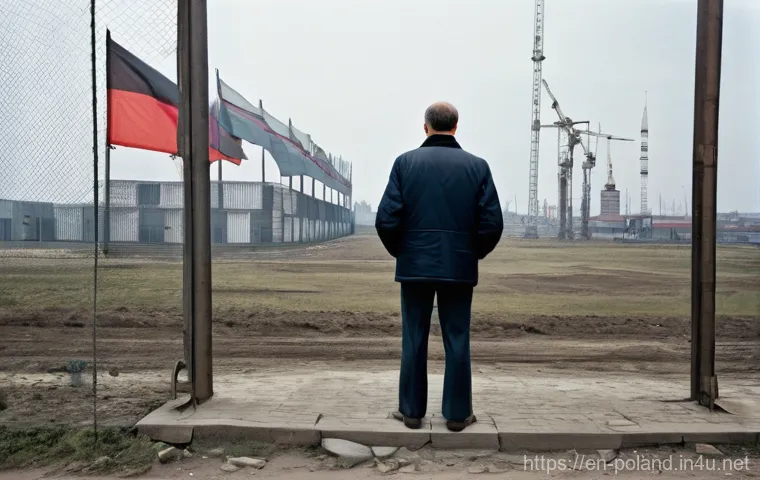
Even with Poland firmly anchored in the West, the historical echoes with Russia haven’t faded into distant memory. In fact, in recent years, they’ve become sharper, more urgent, and undeniably impactful on the global stage. It’s like watching an old wound that keeps getting irritated, especially when you consider Russia’s more assertive foreign policy. I’ve personally observed how these deeply rooted historical grievances color every interaction, every diplomatic statement, and every defense strategy coming out of Warsaw. It’s not just about current events; it’s about centuries of accumulated experience. When Poland looks east, it sees not just a neighbor, but a historical adversary, a nation with a long track record of territorial ambition and attempts at domination. This isn’t paranoia; it’s a realistic assessment rooted in a very painful past.
The Drone Incursions and Hybrid Warfare
Let’s talk about the present. When we see reports of drone incursions into Polish airspace or hear about persistent cyberattacks and disinformation campaigns, it’s impossible for me not to connect these actions to that long history of struggle. These aren’t isolated incidents; they’re part of what I’ve come to understand as modern hybrid warfare tactics, designed to destabilize and test boundaries without overt military conflict. From my perspective, Poland’s strong reaction to these events isn’t overblown; it’s a measured response based on a historical understanding of what can happen when such aggressions go unchecked. It’s a constant reminder that the fight for sovereignty isn’t always fought with tanks and soldiers anymore; sometimes it’s fought in the digital realm and in the psychological space of public opinion.
Poland as a Frontline NATO State
Given its geographical position, Poland has quite literally become a frontline state for NATO. This isn’t a theoretical concept; it’s a daily reality. The commitment to beefing up its defense capabilities, increasing military spending, and advocating for a stronger NATO presence on its eastern flank isn’t just strategic; it’s deeply existential. I’ve seen how passionately Poles feel about this, understanding that their security is inextricably linked to the strength of the alliance. This enhanced role means Poland isn’t just a recipient of security, but an active contributor, often pushing for more decisive action and a firmer stance against perceived Russian aggression. It’s a role forged in the crucible of history and sharpened by current events.
Economic Interdependencies and Divergent Paths
While the political and historical narratives often focus on conflict, it’s also worth looking at the economic dimension, which has its own complex story. For decades, particularly during the Soviet era, Poland’s economy was inextricably linked to Russia’s and the broader Soviet bloc. It was a relationship built on forced interdependency, where trade routes, resource acquisition, and industrial development were dictated by Moscow. However, the post-1989 era saw a dramatic shift, with Poland embarking on a determined path towards integration with Western European markets. This wasn’t just about changing trading partners; it was about fundamentally reorienting its economic philosophy and opening up to global competition. I’ve observed firsthand how challenging, yet ultimately rewarding, this transition has been for Poland, illustrating a profound divergence in economic trajectories.
Breaking Free from Energy Dependence
One of the most critical aspects of Poland’s post-Soviet economic transformation has been its concerted effort to reduce its energy dependence on Russia. For many years, like much of Eastern Europe, Poland relied heavily on Russian oil and gas. I’ve personally followed the efforts to diversify energy sources, investing in LNG terminals, and building new pipelines with Western partners. This isn’t just sound energy policy; it’s a strategic imperative rooted in geopolitical considerations. The ability to source energy independently from Russia gives Poland significant leverage and reduces a historical vulnerability that Moscow often exploited. It’s a clear demonstration of economic policy being directly informed by deeply ingrained historical lessons about maintaining sovereignty.
Trade, Investment, and the Western Embrace
Poland’s integration into the EU has profoundly reshaped its economic landscape. Its primary trade partners are now overwhelmingly Western European nations, and it has attracted significant foreign direct investment from across the globe. This shift has not only boosted its economy but has also solidified its Western orientation. While some residual trade with Russia exists, it’s dramatically reduced in significance compared to the past. I’ve seen how this economic reorientation has empowered Poland, giving it more economic resilience and a greater say in international economic forums. It’s a powerful testament to how a nation can redefine its economic destiny, and in doing so, further secure its political independence.
The Cultural Battleground: Identity, Narrative, and Memory
Beyond the maps and military maneuvers, there’s a deeply personal and often emotional battleground in the relationship between Poland and Russia: the realm of culture, identity, and historical memory. For centuries, both nations have developed distinct, often conflicting, narratives about their shared past and their own national exceptionalism. It’s not just about what happened, but how it’s remembered, taught, and portrayed. From my perspective, this cultural dimension is incredibly powerful because it shapes how generations perceive each other and how they interpret current events. It’s fascinating, and sometimes heartbreaking, to see how historical memory can be wielded as both a source of national pride and a weapon in geopolitical disputes.
Contrasting Historical Narratives
Consider, for instance, the differing interpretations of events like the 1939 Soviet invasion of Poland or the Katyn Massacre. What for Poles are undeniable acts of aggression and atrocities, are often downplayed or outright denied in official Russian historical narratives. I’ve personally experienced how deeply ingrained these differing historical truths are within each nation. This isn’t just academic; it affects diplomatic relations, public opinion, and even individual interactions. It’s like two people having completely different memories of a shared event, making reconciliation incredibly difficult. The struggle over historical memory is, in essence, a struggle over identity and legitimacy, and it forms a significant barrier to warmer relations.
Preserving Polish Identity Against Russification
Throughout centuries of Russian domination, whether Tsarist or Soviet, there were consistent attempts to suppress Polish culture and language in favor of Russian influence. Yet, time and again, Polish national identity proved remarkably resilient. From clandestine schools teaching Polish history and literature to the enduring strength of the Catholic Church as a bulwark against foreign ideology, Poles actively resisted cultural assimilation. I find this aspect incredibly inspiring. It’s a powerful lesson in how culture can be a potent form of resistance and how a shared identity can withstand even the most formidable pressures. This deep-seated commitment to preserving their distinct cultural heritage continues to define Poland’s relationship with its eastern neighbor.
Wrapping Things Up
Phew, what a journey through centuries of intertwined history, right? It’s truly incredible to see how the past isn’t just a collection of dates and names; it’s a living, breathing force that shapes our present and future. My hope is that by delving into the complex relationship between Poland and Russia, you’ve gained a richer understanding of not just these two nations, but of the broader geopolitical currents that affect us all. This deep dive has certainly underscored for me the importance of historical context in pretty much everything we see happening in the world today. It reminds us that every nation has its scars, its triumphs, and its enduring aspirations, all woven into the fabric of its identity. Understanding these threads is key to navigating our increasingly interconnected world, and honestly, it’s what keeps me endlessly fascinated by history!
Handy Info You’ll Be Glad You Knew
1. History isn’t just about the past; it’s the blueprint for the future. Always remember that current international relations, economic decisions, and even cultural interactions are deeply rooted in historical events and perceptions. Don’t dismiss historical grievances or alliances as “old news” – they’re shaping today’s headlines!
2. Geographical location is a powerful determinant of destiny. Countries situated in strategic “buffer zones” often develop distinct national characteristics, a strong emphasis on defense, and a keen awareness of their neighbors. Poland’s position between powerful empires is a prime example of this historical reality.
3. Energy independence is a game-changer for national sovereignty. Nations that diversify their energy sources reduce a significant point of leverage for powerful neighbors. Look at how Poland consciously moved away from Russian energy – it’s a clear strategic play to bolster its independence and security.
4. Cultural identity is incredibly resilient, even under pressure. The Polish people’s unwavering commitment to their language, traditions, and faith, even during long periods of foreign occupation, serves as a powerful reminder that national spirit can endure against all odds. Culture isn’t just entertainment; it’s a vital form of resistance.
5. International alliances like NATO and the EU offer more than just economic benefits or military protection. For nations like Poland, joining these blocs is a profound statement of values, a commitment to shared principles, and a way to collectively safeguard their hard-won sovereignty against historical threats.
Key Takeaways
So, what’s the big picture here? For me, it’s crystal clear: Poland’s relationship with Russia is deeply, inextricably shaped by centuries of historical conflict, domination, and a profound struggle for self-determination. This rich, often painful, history fuels Poland’s unwavering commitment to Western integration and its vigilant stance on security. It’s a powerful narrative of resilience, a constant balancing act between past traumas and future aspirations, and a testament to how fiercely a nation can fight to define its own destiny. Keep these historical lenses on when you’re watching the news; you’ll see the echoes of the past everywhere!
Frequently Asked Questions (FAQ) 📖
Q: What are the deep historical roots of the complex and often tense relationship between Poland and Russia, and why do they still matter so much today?
A: Honestly, if you dive into the history between Poland and Russia, it’s like peeling back layers of an onion – each one reveals more drama and, frankly, a lot of pain.
It didn’t just start yesterday; this rivalry stretches back to the late Middle Ages! We’re talking about centuries of territorial disputes and a constant struggle for dominance in Eastern Europe.
For instance, did you know that during the Polish-Muscovite War in the early 17th century, Polish forces actually took Moscow? That’s not something you often hear, but it was a defining moment.
Then, things took a really dark turn with the partitions of Poland in the late 18th century, which literally wiped Poland off the map for over a century, dividing its lands between Russia, Prussia, and Austria.
Imagine your country just… ceasing to exist! That left an absolutely massive scar on the Polish national psyche. And let’s not forget the 20th century, which brought the Polish-Soviet War right after Poland regained independence in 1918, where Poles famously triumphed in the Battle of Warsaw, halting the spread of Bolshevism.
But then came the Soviet invasion of eastern Poland in 1939, followed by years of brutal repressions and massacres like Katyn, where over 20,000 Polish officers were murdered.
These aren’t just historical footnotes; they are ingrained in the collective memory, shaping how Poles view Russia even today. The unresolved traumas and grievances from these events fuel the current mistrust and explain why the relationship remains so volatile.
I’ve personally seen how these historical echoes make any interaction between the two feel loaded with significance.
Q: How do these historical experiences directly influence Poland’s exceptionally strong defense posture and its unwavering support for Ukraine in the current conflict?
A: From what I’ve observed, Poland’s robust defense strategy and its incredibly strong stance on supporting Ukraine aren’t just reactions to recent events; they are deeply, deeply rooted in their history.
When you’ve been invaded, partitioned, and occupied by a powerful neighbor repeatedly, you develop a very keen sense of existential threat. Poles remember what it feels like to be caught between major powers, and they absolutely refuse to let that happen again.
This historical memory makes Poland a fervent advocate for a strong, united NATO. They see a strong NATO, and particularly a strong U.S. presence, as absolutely crucial for their security, realizing they can’t face potential Russian aggression alone.
Their support for Ukraine, for instance, is phenomenal – Poland has been one of Ukraine’s most active allies, providing significant humanitarian and military aid, and acting as a vital logistics hub for Western supplies.
Why? Because many Poles believe that what’s happening in Ukraine today could easily be a precursor to further aggression against themselves. They view Ukraine as a crucial buffer.
When I hear Polish leaders talk about beefing up their military, or pushing for more NATO involvement, it’s clear they’re not just talking about today’s headlines; they’re talking about preventing a devastating repeat of their own past.
They’re literally building one of Europe’s most powerful armies, allocating over 4% of their GDP to defense, which is pretty incredible! It’s a pragmatic, albeit emotionally charged, strategy born from a painful history.
Q: Given this complex historical context and ongoing tensions, what are the broader geopolitical implications of the Poland-Russia dynamic for Eastern Europe and global security?
A: When you look at the Poland-Russia dynamic through this historical lens, it becomes incredibly clear just how much it shapes the entire geopolitical landscape of Eastern Europe and even global security.
If you ask me, the biggest implication is how Poland’s assertive stance directly challenges Russian imperial ambitions, especially when combined with Ukraine’s resistance.
It’s not just a regional squabble; it’s a fundamental clash of visions for the future of the continent. Poland’s unwavering push for a strong Eastern Flank for NATO and its consistent advocacy for tougher stances against Moscow are hugely influential.
The recent drone incursions into Polish airspace, for example, are not just isolated incidents; they’re seen as deliberate provocations, testing NATO’s resolve and bringing the region closer to conflict than it’s been since World War II, as Poland’s Prime Minister Donald Tusk put it.
This situation highlights the growing importance of hybrid warfare tactics – think cyberattacks, disinformation campaigns, and even targeted sabotage – all aimed at destabilizing countries like Poland, who are key allies to Ukraine.
The future stability of Eastern Europe hinges significantly on how this dynamic plays out. It affects everything from energy security to the strength of international alliances.
What I’ve seen is that Poland is becoming a pivotal player, essentially acting as a bulwark against what it perceives as Russian expansionism. This isn’t just about two nations; it’s about the very definition of security and sovereignty in a rapidly changing world.