Hey, fellow travelers! There’s nothing quite like the thrill of stepping into a new city, soaking in the sights, and diving headfirst into the local vibe.

And when it comes to exploring magnificent Poland, its public transport system is truly your best friend – affordable, efficient, and well-connected. But let’s be honest, trying to decipher ticket types and fare zones in a foreign language can sometimes feel like solving a mini-puzzle, right?
I’ve personally been there, wondering if I picked the right 75-minute ticket in Warsaw or a daily pass in Kraków. You want to glide through cities like a local, not stress over every złoty!
Don’t worry, it’s actually simpler than it seems, and I’m here to share all the insider tips I’ve gathered to help you navigate it like a pro. Stick around, because we’re about to unlock all the secrets to Poland’s public transport fares, making your travels smoother and your wallet happier!
Deciphering the Polish Public Transport Puzzle
Navigating a new city can be exhilarating, but let’s be real, the public transport system can sometimes feel like a cryptic crossword puzzle. I remember my first trip to Warsaw, standing bewildered at a ticket machine, trying to figure out if I needed a 20-minute, 75-minute, or a daily ticket.
It’s a common hurdle, right? But what I’ve discovered through countless trips and a fair share of trial and error is that Poland’s public transport, while varied by city, is incredibly efficient and budget-friendly once you get the hang of it.
My personal experience has shown me that a little homework upfront can save you both stress and precious złoty, letting you focus on the stunning architecture and vibrant street life rather than ticket woes.
This isn’t just about getting from A to B; it’s about seamlessly integrating into the local rhythm, feeling confident in your choices, and ultimately enhancing your entire travel experience.
Trust me, I’ve spent enough time fumbling with change and peering at route maps to know exactly what makes a difference for fellow adventurers.
Understanding the Urban Tapestry of Fares
Each major Polish city – think Warsaw, Kraków, Gdańsk, Wrocław – operates its own unique public transport system, complete with different ticket types, validity periods, and fare zones.
This is perhaps the biggest “aha!” moment I had. What works in one city might not even exist in another. For instance, Warsaw often uses time-based tickets (20-min, 75-min, etc.), while Kraków might lean more towards single-ride or hourly options.
It’s crucial to treat each city as a fresh start when it comes to tickets. I’ve found myself comparing local transport websites before even landing, just to get a lay of the land.
This proactive approach has saved me from countless moments of confusion and the dreaded feeling of being underprepared. Always check for specific local regulations; what’s common practice for residents might have a slight variation for tourists, though generally, the systems are quite user-friendly.
Don’t assume, always verify, and you’ll be golden.
Mastering the Art of Ticket Purchasing
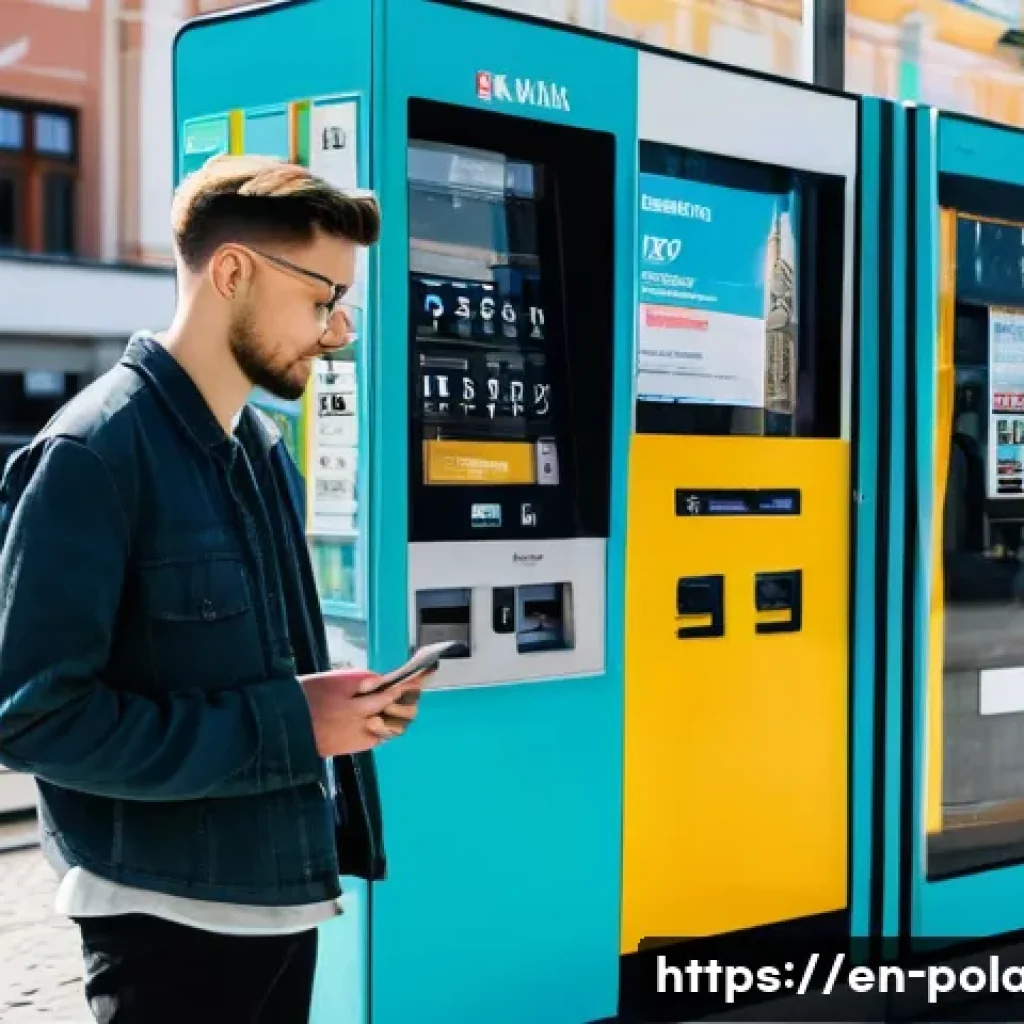
Gone are the days when buying a ticket always meant fumbling for coins at a kiosk. While traditional ticket machines at stops and inside vehicles are still very much a thing (and often accept card payments, thank goodness!), digital solutions have truly revolutionized the experience.
On my last visit, I almost exclusively used mobile apps like “Jakdojade” or city-specific apps to plan my routes and buy tickets directly on my phone.
It’s a game-changer! Imagine this: you’re rushing to catch a tram, and instead of wrestling with a machine, you just tap a few buttons on your phone, and *voilà*, ticket purchased and validated.
The convenience is unparalleled, and it’s definitely my top tip for anyone traveling in Poland. I personally love the feeling of empowerment that comes from effortlessly navigating a foreign city with just a few taps.
Plus, it significantly reduces the stress of currency exchange or finding the exact change.
Unlocking Savings with Passes and Multi-Day Options
For those planning to spend more than a day or two in a single city, exploring longer-term passes is an absolute must. Trust me, after a few days of buying individual tickets, the costs can add up, and the hassle can become a real drag.
Most cities offer 24-hour, 72-hour, or even weekly passes that provide unlimited travel within designated zones. I’ve found these passes to be fantastic value, especially when I’m in full-on tourist mode, hopping from museum to park and back again.
For example, during my week-long stay in Kraków, a 7-day pass was significantly cheaper than buying daily tickets, not to mention the freedom it gave me to jump on any tram or bus without a second thought.
It really removes that mental calculation of “is this trip worth another ticket?” and lets you explore spontaneously.
My Favorite Digital Tools and Payment Hacks
I cannot stress enough how much mobile apps have streamlined my public transport experiences in Poland. “Jakdojade” isn’t just for buying tickets; it’s also an incredible route planner, showing real-time departures and optimal connections.
It’s like having a local expert in your pocket. Beyond apps, always keep an eye out for contactless payment options. Most ticket machines and even some onboard validators now accept credit and debit cards, including those linked to your phone or smartwatch.
This has been a lifesaver for me, especially when I arrive late at night and don’t have local currency. It’s truly amazing how technology has made international travel so much smoother.
I distinctly remember a time when I had to frantically search for an ATM just to buy a bus ticket – those days, thankfully, are mostly behind us!
Avoiding the Dreaded Fine: Validation is Key!
Here’s a crucial piece of advice, born from a friend’s unfortunate experience: always, *always* validate your ticket. It sounds simple, but it’s easy to forget in the rush, especially if you’re used to systems where tickets are automatically validated upon purchase.
In Poland, if you buy a paper ticket, you usually need to insert it into a small validating machine onboard the tram or bus. If you’ve purchased a ticket via a mobile app, ensure it’s activated before you start your journey.
Ticket inspectors are common, and they don’t mess around. The fines are hefty and definitely not how you want to spend your travel budget. My friend once got a fine in Gdańsk because he forgot to validate his paper ticket, and it put a real damper on his day.
Learn from our collective mistakes – validate your ticket and enjoy your journey worry-free!
| City (Example) | Ticket Type | Validity | Typical Use Case |
|---|---|---|---|
| Warsaw | 20-minute ticket | 20 minutes from validation | Quick, short-distance journeys |
| Warsaw | 75-minute ticket | 75 minutes from validation (zone 1) | Longer journeys with transfers |
| Kraków | 20-minute ticket | 20 minutes from validation | Short hops, single tram/bus ride |
| Kraków | 60-minute ticket | 60 minutes from validation | Exploring multiple attractions with transfers |
| Gdańsk | Single ride ticket | For one continuous journey | Direct trips without transfers |
| Gdańsk | 24-hour ticket | 24 hours from validation | Full day of sightseeing |
| Wrocław | 30-minute ticket | 30 minutes from validation | Moderate journeys within the city |
Embracing the Local Flow for a Richer Experience
Beyond the practicalities of tickets and routes, learning to use public transport like a local truly immerses you in the city’s vibe. It’s not just about efficiency; it’s about observing daily life, catching snippets of conversations, and experiencing the city from a different perspective than a taxi window offers.
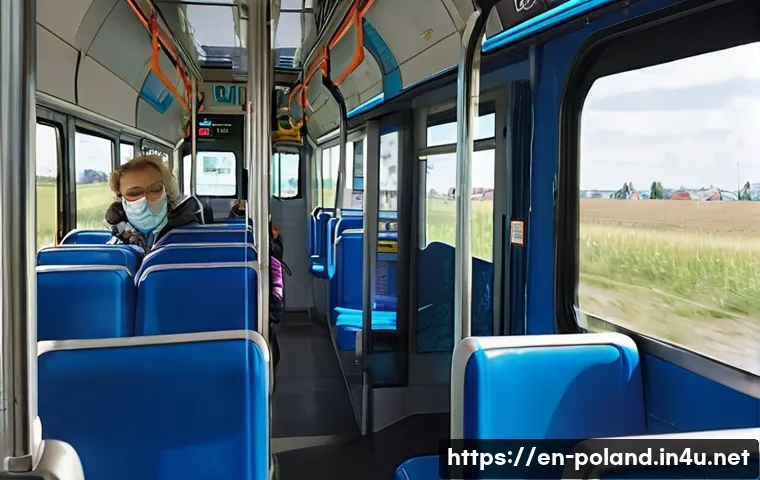
I’ve had some of my most memorable travel moments on Polish trams and buses – from witnessing a spontaneous folk song on a bus in the Tatra mountains region (okay, not exactly city public transport, but close!) to striking up a friendly conversation with a local about the best pierogi spot.
These are the organic, unscripted moments that make travel so rewarding. Don’t shy away from using public transport, even if it feels a little daunting at first.
It’s an adventure in itself and a fantastic way to truly connect with the heart and soul of Poland. You’ll not only save money but gain invaluable insights into the local culture.
Concluding Thoughts
So there you have it, fellow explorers! Navigating Poland’s public transport might seem like a maze at first, but with a little bit of foresight and these insider tips, you’ll be zipping around like a local in no time.
It’s truly one of the best ways to soak in the real essence of these beautiful cities, allowing you to connect with the rhythm of daily life and discover hidden gems off the beaten path.
Trust me, the convenience and savings you gain will free you up to enjoy more pierogi and explore more castles! Happy travels, and don’t forget to look up from your map every now and then to take it all in.
This journey through Poland’s transport system is more than just getting from point A to B; it’s an integral part of your adventure, offering unique insights and sometimes, even unexpected delights.
Embrace the ride, and let the city unfold around you.
Helpful Information to Keep in Mind
1. Always Double-Check City-Specific Rules
As I’ve learned the hard way, what flies in Warsaw might not apply in Wrocław. Each city truly has its own public transport personality when it comes to tickets and zones. Before you even set foot on a tram or bus, take a quick peek at the local transport authority’s website (often easily found with a quick Google search for “[City Name] public transport”). This little habit has saved me from so much head-scratching and potential mistakes, ensuring I always buy the right ticket for the right journey. It’s a tiny bit of pre-planning that pays huge dividends in peace of mind, helping you avoid unnecessary stress and letting you focus on the incredible sights instead of ticket woes. Trust me, a minute of research can save you hours of confusion.
2. Become Best Friends with Mobile Apps
Seriously, if there’s one piece of advice I can shout from the rooftops, it’s this: download “Jakdojade” or the specific city’s transport app. These aren’t just for buying tickets on the go; they’re lifesavers for real-time route planning, checking schedules, and figuring out connections. I remember once being utterly lost in a new district, and the app instantly showed me the next bus, its arrival time, and even let me buy the ticket right there. It transforms potential frustration into seamless navigation, making you feel like a seasoned local even on your first visit. It’s like having a personal guide in your pocket, always ready to point you in the right direction and ensure you never miss a beat. The convenience these apps offer is truly unparalleled in modern travel.
3. The Power of Passes: Consider Them for Longer Stays
If your itinerary involves more than a day or two in one Polish city, seriously look into 24-hour, 72-hour, or even weekly passes. The value is often incredible, and the freedom of unlimited travel is simply unmatched. I’ve personally found that the mental fatigue of calculating individual fares quickly disappears when you have a pass; you can just hop on and off, exploring spontaneously without a second thought. It definitely encourages more exploration and less worrying about the budget for each short trip, making your sightseeing much more relaxed and enjoyable. From my own experience, a multi-day pass in Kraków felt like I had a golden ticket to the entire city, allowing me to fully immerse myself without any financial second-guessing for every ride.
4. Validation Isn’t Optional – It’s Essential!
Oh, the infamous ticket validation! This is where many first-timers (and even seasoned travelers who get complacent) can trip up. If you’re using a paper ticket, make sure you slot it into one of those small yellow or red machines on board immediately after boarding. For app-bought tickets, ensure they are activated before your journey commences. Trust me, Polish ticket inspectors are thorough, and a hefty fine is a surefire way to dampen your travel spirits. I once saw someone get fined, and it truly put a dark cloud over their entire day. A quick ‘beep’ or a tap on your phone saves you a lot of trouble and ensures your journey remains pleasant and penalty-free. Don’t let this simple step be overlooked!
5. Embrace Local Manners: A Little Polish Goes a Long Way
While not strictly about tickets, understanding a bit of local etiquette can enhance your public transport experience immensely. Simple phrases like “Dzień dobry” (Good morning/day), “Do widzenia” (Goodbye), and “Przepraszam” (Excuse me/Sorry) can open doors to friendlier interactions and show respect for the local culture. Poles are generally very appreciative when visitors make an effort with their language. I’ve found that a polite “Dzień dobry” when boarding and “Do widzenia” when exiting can often lead to a warm smile or even a helpful nod from fellow passengers or the driver. It transforms a simple ride into a small cultural exchange and makes you feel more connected to the community, enriching your overall travel narrative.
Key Takeaways
Research is Your Best Friend
Before you even pack your bags, a quick online search for “public transport in [City Name]” will arm you with invaluable knowledge about local ticketing systems, apps, and passes. This small investment of time prevents confusion and saves money down the line. Different cities have different rules, and a little homework means you’re always one step ahead. It’s about empowering yourself with information to make every journey smooth and stress-free. I always do this, and it means I hit the ground running, feeling confident about how to get around from the moment I arrive. This proactive approach completely eliminates any guesswork, making your initial explorations much more enjoyable.
Go Digital for Ultimate Convenience
Embrace mobile apps like “Jakdojade” for planning routes and purchasing tickets. They are incredibly intuitive and offer real-time updates, making navigation effortless. Contactless payment options at machines and on vehicles are also your allies, especially when you’re short on local currency. I can’t emphasize enough how much these digital tools simplify everything, turning potential travel headaches into effortless transitions from one amazing Polish sight to the next. It’s the modern traveler’s secret weapon, ensuring you spend less time fumbling and more time enjoying the vibrant atmosphere of Poland’s cities. Seriously, download them first!
Always Validate Your Ticket
This cannot be stressed enough: a paper ticket is not valid until it’s stamped in the onboard validator, and a mobile ticket needs to be activated before your journey begins. Ignoring this simple step can lead to significant fines, which is the last thing you want on your vacation. Make it a habit the moment you step on board – it’s a quick action that ensures a worry-free ride and protects your travel budget from unexpected expenses. Don’t let a minor oversight turn into a major regret; a quick flash or beep is all it takes to keep those inspectors happy and your trip on track. This one simple act saves a world of potential bother.
Embrace the Local Experience
Beyond the practicalities, using public transport offers a genuine glimpse into daily Polish life. It’s an authentic way to experience the city’s pulse, interact (even briefly) with locals, and discover areas you might otherwise miss. Don’t just see Poland; live it, even for a few hours a day, through its bustling trams and buses. This isn’t just about efficient travel; it’s about enriching your entire journey with genuine cultural immersion and memorable moments. I’ve found some of my favorite local spots by simply observing where locals get off, sparking spontaneous adventures that a private car or taxi would never offer. It’s truly a pathway to deeper travel.
Frequently Asked Questions (FAQ) 📖
Q: What’s the deal with all the different ticket types in Polish cities? How do I know which one to pick for my trip?
A: Oh, believe me, I totally get it! When you first look at the ticket options in Polish cities like Warsaw or Kraków, it can feel a bit like reading a secret code.
But it’s actually quite logical once you break it down. Generally, you’ll encounter a few main types, and knowing your travel style will help you pick the perfect one.
First up are the ‘time-limited’ tickets, which are super popular and what I usually reach for. You can get them for durations like 20, 75, or 90 minutes.
The cool thing is, you can hop on and off any bus, tram, or even the metro (in Warsaw!) as many times as you like within that timeframe. So, if you’re planning a quick hop across town, a 20-minute ticket might be just enough.
For slightly longer journeys or if you anticipate a transfer, the 75 or 90-minute options are your best bet. Remember, it’s about the real time that passes from validation, not just the estimated journey time.
If your 20-minute ticket expires and you’re still on the bus, technically you need a new one, so always keep an eye on the clock! Then there are the ‘short-term’ tickets, which are fantastic for tourists like us.
These include 24-hour (daily), 48-hour, 72-hour (three-day), or even weekend passes. These are golden if you’re planning a busy day of sightseeing, as they offer unlimited travel across all lines for their duration.
From my own travels, if I’m staying for a couple of days and know I’ll be zipping between museums and neighborhoods, a 24-hour or 72-hour pass saves a ton of hassle and usually works out cheaper than buying individual tickets.
Warsaw even has a fantastic ‘Group Weekend Ticket’ that lets up to five people travel together from Friday evening to Monday morning for a single, very affordable price – perfect for families or friends exploring together!
Just validate these once when you start your first journey, and you’re good to go!
Q: Do I really need to understand ‘fare zones’ when I’m just hopping around major cities like Warsaw or Kraków?
A: Honestly, for most tourists, the answer is usually “not really, unless you’re planning something specific!” Both Warsaw and Kraków operate with a zone system, typically divided into Zone 1 and Zone 2 (and Kraków even has a Zone 3).
But here’s the insider tip: the vast majority of tourist attractions, hotels, and the main city centers fall comfortably within Zone 1. In Warsaw, for instance, Zone 1 covers the entire city area, including iconic spots like the Old Town, Royal Castle, Palace of Culture and Science, and even Chopin Airport.
So, if your adventures are mostly within Warsaw’s city limits, a Zone 1 ticket or pass will cover you completely. I’ve only ever needed to think about Zone 2 when I’ve ventured out to specific suburbs or towns outside the main city.
Kraków is pretty similar. Zone 1 encompasses the entire city of Kraków itself. Most visitors exploring the Main Market Square, Kazimierz, or Wawel Castle will stay within this zone.
You’d only need a Zone 1 + 2 (or ‘agglomeration’) ticket if you’re heading to popular spots outside the city boundaries like the Wieliczka Salt Mine or Kraków Airport by public transport.
So, my personal rule of thumb is: stick to Zone 1 tickets, and if you’re planning a specific day trip that takes you further afield, double-check if you need an extended zone ticket.
It’s often clearly marked on maps at stops or in ticket machines.
Q: Okay, so I know what ticket I need, but where do I actually buy them, and can I use my credit card?
A: This is where Polish public transport really shines with its convenience! You’ve got several easy ways to snag your tickets, and yes, credit cards are widely accepted – thank goodness!
The most common method, and one I always rely on, is using the ubiquitous ticket machines. You’ll find these at most major bus and tram stops, inside many buses and trams themselves, and at all metro stations in Warsaw.
These machines are usually multilingual, offering English and other languages, which makes the process super straightforward. What’s great is that they almost always accept both cash and credit/debit cards, including contactless payments like PayPass.
So, you won’t be scrambling for exact change very often. Just a quick tap, and you’re good to go! Beyond the machines, you can also often buy tickets at kiosks or small newsagent shops (look for “Ruch” kiosks) and even some grocery stores.
In some smaller towns, you might still be able to buy a ticket directly from the driver, but in larger cities, this is becoming less common and often requires exact change, if it’s even an option.
My advice? Don’t rely on buying from the driver in big cities; it can be a bit of a gamble. And here’s a true game-changer: mobile apps!
Many Polish cities support various apps like Jakdojade, SkyCash, moBILET, iMKA, and mPay. These apps let you purchase and even validate your tickets right from your smartphone.
I personally love using them because it means no fumbling with machines or paper tickets. Just select your ticket, pay with your linked card, and often you simply scan a QR code inside the vehicle to validate.
It makes you feel like a true local, trust me! Remember to always validate your paper tickets immediately upon boarding a bus or tram, or at the metro gates – a quick stamp or tap, and you’re ready to explore!