Hey there, fellow shoppers and global trend watchers! If you’re anything like me, you’ve probably noticed how much our world has shrunk, especially when it comes to online shopping.
I mean, who hasn’t clicked ‘add to cart’ on something from halfway across the globe? But here’s a thought that’s been buzzing in my head: What’s really going on in specific markets?
Like, have you ever wondered about Poland and its surprising embrace of products from China? It’s a fascinating story, far more intricate than just finding a good deal.
I’ve been diving deep into the latest market trends, and honestly, what I found was eye-opening. It turns out that Polish consumers are incredibly savvy, and their choices are painting a compelling picture about value, accessibility, and the evolving landscape of global e-commerce.
We’re talking about everything from the latest gadgets and electronics to everyday household items, with Chinese sellers truly dominating the cross-border online market there.
It’s not just about what’s affordable anymore; it’s about what offers the right blend of quality and practicality for modern life. While there’s always chatter about economic shifts and future regulations, the current reality on the ground shows a clear preference.
Let’s unpack the real dynamics behind this booming trend and discover what makes Chinese goods such a staple in Polish households today. Trust me, you’ll want to see this!
Unlocking Incredible Value: The Price-Conscious Polish Consumer

Oh, the thrill of finding a fantastic deal! If you’re anything like me, you know that feeling when you snag something awesome without breaking the bank. And let me tell you, Polish consumers are masters of this art, which is a huge part of why Chinese products have become such a staple here. It’s not just about being “cheap,” it’s about incredible value for money. I’ve heard so many stories, even from my own Polish friends, about how they’ve furnished entire apartments or upgraded their tech setups by smartly sourcing from Chinese online platforms. The economic landscape in Poland, with its dynamic shifts and the ever-present conversation around household budgets, has really amplified this focus on value. When inflation gnaws at your wallet, every Złoty saved feels like a victory, and frankly, Chinese retailers have perfected the art of delivering that win. We’re talking about everything from stylish home decor that looks straight out of a catalog but costs a fraction, to essential gadgets that perform just as well as their pricier counterparts. This isn’t just a fleeting trend; it’s a deeply ingrained shopping behavior driven by a desire for quality products that align with a sensible budget. It feels good to get more for less, doesn’t it?
The Allure of Affordability
- Polish shoppers are incredibly savvy, always on the lookout for promotions and discounts to maximize their purchasing power. For a significant percentage of online consumers, promotional offers are the primary factor influencing their buying decisions. In an environment where the rising cost of living is a tangible concern for many, finding products that offer both utility and a friendly price tag is paramount. It’s not simply about buying the absolute cheapest item, but rather intelligently balancing cost with perceived benefit and quality.
- The strength of the Polish Złoty has also played a fascinating role here. While it presents challenges for domestic exports, it effectively makes imported goods, especially from countries like China, more affordable for Polish consumers. This exchange rate advantage means that those already competitive prices become even more attractive, accelerating the influx and adoption of Chinese products into Polish households. It’s an economic ripple effect that benefits cross-border shoppers directly in their wallets.
E-Commerce Titans Redefining the Shopping Landscape
Remember when Allegro felt like the undisputed king of Polish e-commerce? Well, things have gotten a lot more interesting! I’ve been tracking this closely, and it’s truly remarkable how quickly giants like Temu and AliExpress have not only entered but absolutely dominated the cross-border online market here. It’s like watching a new challenger step into the ring and, almost overnight, become a fan favorite. I even saw a friend recently showing off a new smart device she got from Temu, completely thrilled with how easy the purchase was and how fast it arrived. These platforms aren’t just selling products; they’re selling an entire experience – one built on convenience, variety, and yes, those irresistible prices. They’ve poured massive resources into aggressive marketing campaigns, becoming household names that are practically everywhere you look. This shift isn’t just a bump in the road; it’s a monumental change in how Polish consumers perceive and interact with online shopping, proving that even a well-established local player can face formidable global competition.
The Rapid Ascent of Global Marketplaces
- Chinese e-commerce platforms like Temu, AliExpress, and Shein have rapidly gained immense popularity, capturing a substantial share of the Polish online shopping market. Temu, in particular, has seen a meteoric rise, even surpassing local e-commerce leader Allegro in terms of active users in recent months. This rapid growth is a testament to their “low-cost, all-category” strategy, which resonates deeply with price-conscious Polish consumers seeking a wide variety of goods.
- These platforms are not just relying on competitive pricing; they are also investing heavily in localized services and marketing. For instance, AliExpress has opened its services to local merchants in Poland, offering incentives like zero deposit and commission-free periods. This strategy helps integrate them into the local ecosystem while maintaining a global reach, fostering a stronger connection with Polish buyers and sellers alike.
A Kaleidoscope of Offerings: Beyond the Expected
When you think of Chinese products, perhaps electronics immediately come to mind. And while gadgets are definitely a huge part of the picture, let me tell you, the diversity of products flowing into Poland from China is truly mind-boggling. I remember visiting a friend’s new apartment and being genuinely surprised by the stylish, yet incredibly affordable, kitchenware and home decor she sourced entirely online from Chinese sellers. It’s not just about the latest smartphone or a cool new drone anymore. We’re talking about everything you can imagine to make a house a home, to update your wardrobe, or even to equip a small business. The sheer breadth of choice these platforms offer is a massive draw. It’s a bit like having a global department store at your fingertips, where you can find that one unique item you didn’t even know you needed.
From Gadgets to Home Essentials
- While consumer electronics remain a strong category, with items like 3C electronics, power tools, lighting, automotive accessories, cars, computers, and electrical appliances seeing significant import growth, the range extends much further. Polish consumers are actively purchasing fashion, beauty products, home and garden items, clothing accessories, toys, and even stationery from Chinese sellers. This wide array caters to almost every aspect of daily life and leisure.
- The appeal of these diverse offerings lies not only in their competitive pricing but also in the sheer availability of niche products that might be harder to find or more expensive domestically. Whether it’s a specific hobby item, a unique piece of clothing, or specialized industrial machinery for a small enterprise, Chinese marketplaces provide a global catalog that empowers Polish buyers to find exactly what they need, often at an unbeatable price.
Streamlined Journeys: The Logistics Revolution
If you’ve ever ordered something from across the world, you know that logistics can be a real headache. Long waits, confusing tracking, unexpected fees – it can really sour the excitement of a new purchase. But what I’ve observed in Poland is a genuine revolution in how Chinese products reach consumers. It’s no longer the slow boat from China (though sea freight is still an option!). Companies have really stepped up their game, making the journey from factory floor to your doorstep surprisingly efficient. I’ve personally been impressed by how quickly some packages arrive, almost as if they were coming from just a few towns over. This improvement in delivery speed and reliability has been a critical factor in building trust and encouraging repeat purchases, making cross-border shopping feel less like a gamble and more like a convenient, everyday option.
Efficient Pathways to Your Doorstep
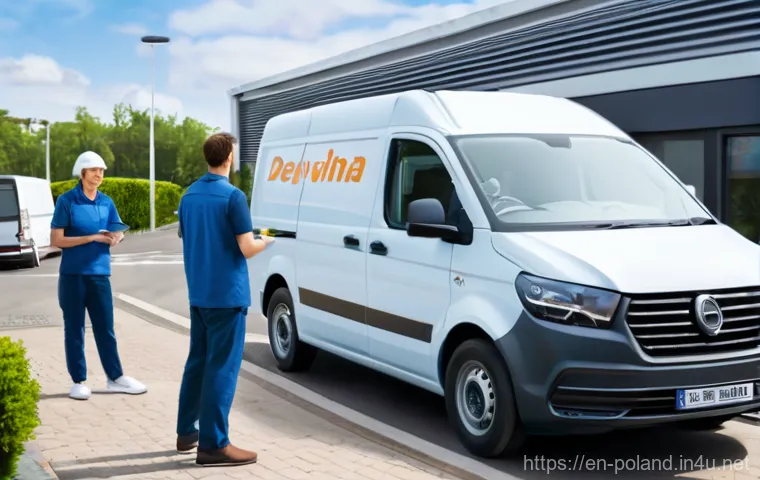
The strategic geographical position of Poland in Central Europe has transformed it into a pivotal logistics hub for goods flowing from China into the wider European market. Specialized services, such as the “Meest Poland Special Line” and the increasing presence of Cainiao’s overseas warehouses within Poland, are testaments to this evolving infrastructure. These developments are directly translating into quicker delivery times for Polish consumers, with some services boasting 2-3 day delivery within the country and even 7-day delivery across Europe. This operational efficiency drastically reduces one of the traditional pain points of international online shopping: the lengthy waiting period.
Furthermore, the rise of rail freight, often referred to as a “New Silk Road” for goods, offers a balanced alternative between the slower sea freight and the more expensive air freight options. With transit times averaging 15-20 days from major Chinese cities to Polish hubs like Łódź and Małaszewicze, it provides a cost-effective yet relatively swift method for bulk goods and e-commerce parcels. This multi-modal approach to shipping, coupled with advanced customs clearance procedures designed to smooth the import process into the EU, creates a seamless supply chain that significantly enhances the overall cross-border shopping experience for Polish buyers.
Understanding the Polish Shopper: A Deep Dive
You might think all online shoppers are the same, but trust me, after spending years observing and participating in various e-commerce markets, I can tell you there are subtle nuances everywhere. Polish consumers, in particular, have a fascinating blend of characteristics that make them unique. They are incredibly practical and financially astute, always weighing their options. I’ve noticed a real sense of pride in making smart choices, not just impulsive buys. While they absolutely appreciate a good bargain, they also care about reliability and convenience. It’s a delicate balance, and sellers who understand this are the ones truly winning hearts and market share. This isn’t just about throwing cheap products at them; it’s about understanding their needs, respecting their budgets, and providing a trustworthy pathway to acquisition.
Key Consumer Characteristics and Preferences
Polish consumers are characterized by their strong price-consciousness and a keen eye for value. Studies consistently show that promotions and discounts are significant drivers in their purchasing decisions, especially in the face of economic pressures like inflation. However, this doesn’t mean they compromise entirely on other factors. They exhibit a growing openness to cross-border shopping, with a substantial percentage regularly buying from foreign platforms, largely motivated by the wider product range and attractive pricing. My own experiences, both personal and observed, confirm this: Poles are willing to explore beyond domestic options if the value proposition is compelling enough.
Despite this openness, there are still underlying concerns that successful platforms address. Issues like the ease of returns, the absence of language barriers in the purchasing process, and clear delivery times are crucial for building trust. While there was a historical perception regarding the quality of Chinese goods, this is gradually shifting as Chinese brands innovate and improve their offerings. The market is evolving, and platforms that provide transparent information, robust customer service, and reliable delivery are the ones capturing the loyalty of this discerning consumer base.
Looking Ahead: Shaping the Future of Polish E-Commerce
The world of e-commerce is always changing, isn’t it? Just when you think you’ve got it all figured out, a new player emerges or a new regulation shifts the landscape. For the Polish market, this dynamic is particularly vivid right now. While the rise of Chinese products has been undeniably explosive, it’s not a static situation. I’ve been keeping an eye on discussions about potential EU customs regulations, and honestly, these could introduce some interesting twists. It’s a constant dance between innovation, consumer demand, and regulatory frameworks. What’s certain is that Polish consumers will continue to seek value and convenience, and the platforms that can best adapt to these evolving needs, while navigating the regulatory waters, will continue to thrive. It’s an exciting time to be a shopper and an observer in this space!
Navigating Regulatory Changes and Market Evolution
- Upcoming changes in EU customs regulations could impact the cost of imported goods, potentially altering the current competitive edge of some Chinese products. This evolving regulatory environment presents both challenges and opportunities for cross-border retailers, requiring agile strategies to maintain affordability and compliance. Businesses will need to adapt their pricing and logistics models to absorb potential new costs or find innovative ways to remain attractive to Polish consumers.
- Despite the dominance of international players, Polish domestic e-commerce businesses are also expanding, particularly focusing on neighboring markets and enhancing their offerings to compete more effectively. This creates a more robust and diverse e-commerce ecosystem, where both global and local entities are pushing the boundaries of service, selection, and value for the Polish shopper. The competition ultimately benefits consumers, driving continuous improvements across the board.
| Aspect | Details | Impact on Polish Consumers |
|---|---|---|
| Market Share in Cross-Border E-commerce | Chinese sellers account for ~52-53% of all cross-border online purchases. | Wide access to diverse goods, often at lower prices. |
| Leading Platforms | Temu (surpassing Allegro in active users), AliExpress, Shein are dominant. | Increased competition, innovative shopping experiences, aggressive promotions. |
| Popular Product Categories | Electronics, fashion, home goods, toys, automotive accessories, machinery. | Extensive product choice, availability of niche items. |
| Key Purchase Drivers | Affordability, wide selection, attractive promotions, improved logistics. | Empowers budget-conscious shopping, enhances perceived value. |
| Logistics Improvements | Strategic Polish hubs, dedicated shipping lines (e.g., Meest, Cainiao), rail freight. | Faster, more reliable deliveries, reducing traditional import hesitations. |
Wrapping Things Up
Wow, what a journey we’ve taken through the dynamic world of Polish e-commerce! It’s truly fascinating to see how the landscape has evolved, with savvy Polish consumers consistently seeking out incredible value and global platforms responding with an amazing array of products and streamlined services. From the economic drivers that prioritize smart spending to the logistical innovations making cross-border shopping smoother than ever, it’s clear that this market is a vibrant hub of activity. I’ve personally seen friends and family light up when they share their latest “finds” from these platforms, and that excitement, that feeling of getting more for less, is genuinely infectious. It’s not just about transactions; it’s about empowering shoppers to make their budgets stretch further without compromising on quality or choice, and that’s something truly special.
Handy Tips for Smart Shopping
Navigating the vast ocean of online shopping, especially when you’re looking for those fantastic international deals, can be a little daunting at first. But trust me, with a few clever strategies, you can become a real pro at finding exactly what you need while keeping your wallet happy. I’ve picked up some invaluable insights over the years, and these little tricks have consistently helped me get the most out of my online shopping experiences, ensuring I always feel confident and satisfied with my purchases. It’s all about being informed and taking a few proactive steps to safeguard your shopping journey.
1. Always dive deep into product reviews and seller ratings. This is your goldmine of real-world experiences from other shoppers. Look for consistent positive feedback and pay attention to comments about product quality, accuracy of description, and delivery times. It’s like having a personal recommendation from thousands of people!
2. Get familiar with the shipping options and tracking details. While logistics have vastly improved, knowing the estimated delivery window and how to track your package gives you peace of mind. Some platforms offer faster, albeit slightly pricier, options, so weigh your need for speed against potential savings.
3. Understand potential customs duties and import taxes. While many smaller items may slip through without extra charges, larger or higher-value purchases might incur additional fees upon arrival. Check the platform’s policies or your local customs regulations to avoid any unwelcome surprises.
4. Prioritize secure payment methods. Using reputable payment gateways or credit cards offers an extra layer of protection in case something goes awry. It’s always better to be safe than sorry when making international transactions.
5. Don’t forget to check the return and refund policies thoroughly. Even with the best intentions, sometimes a product isn’t quite right. Knowing the process for returns, exchanges, or refunds beforehand can save you a lot of hassle and ensure a smooth resolution if needed.
Nailing Down the Essentials
In essence, the Polish e-commerce landscape is a vibrant and ever-evolving market, profoundly shaped by the discerning nature of its consumers and the powerful entry of global players. Polish shoppers are primarily driven by value, meticulously seeking out competitive prices and promotional offers to maximize their purchasing power. This inherent price-consciousness, coupled with favorable economic conditions like the strength of the Złoty, has created a fertile ground for the influx of cost-effective Chinese products, ranging from cutting-edge electronics to diverse home essentials and fashion. The meteoric rise of platforms like Temu and AliExpress isn’t just a fleeting trend; it underscores a significant shift in consumer behavior, demonstrating a strong preference for the vast selection, aggressive pricing, and seamless convenience these international marketplaces offer.
Furthermore, the logistical revolution, with Poland emerging as a key Central European hub, has dramatically improved delivery speeds and reliability, transforming cross-border shopping from a lengthy gamble into a dependable option. This robust infrastructure, combined with efforts to localize services and marketing, has built trust and encouraged repeat purchases, solidifying the presence of these global e-commerce giants. Looking ahead, while potential regulatory changes could introduce new dynamics, the core drivers of value, variety, and convenience will continue to shape the future. Ultimately, the Polish consumer remains at the heart of this transformation, perpetually on the lookout for smart choices and empowering businesses that truly understand and cater to their needs.
Frequently Asked Questions (FAQ) 📖
Q: What exactly is driving Polish consumers to choose Chinese products so consistently?
A: This is such a great question, and honestly, it’s a multifaceted dynamic that I’ve been observing closely! From my perspective, and after digging into it, the primary driver really boils down to an incredible blend of value and accessibility.
Polish consumers, much like many of us, are incredibly savvy. They’re looking for products that don’t just hit a low price point but also offer a decent, sometimes even surprisingly good, level of quality and functionality.
I’ve personally found that many Chinese brands have truly stepped up their game, offering innovative tech and everyday essentials that perform remarkably well without breaking the bank.
It’s not just about being cheap anymore; it’s about getting a smart deal. Plus, the ease of cross-border online shopping platforms has made these goods incredibly accessible, often with speedy delivery options and customer service that’s really improved.
It’s like finding a treasure trove of practical, affordable solutions for daily life, right at their fingertips.
Q: Beyond just price, what makes Chinese goods truly stand out for Polish households in particular?
A: Oh, this is where it gets interesting! While price is definitely a hook, I’ve noticed it’s the practicality and innovation that really seal the deal for Polish shoppers.
Think about it: in many Polish households, there’s a real appreciation for things that are both efficient and durable. Chinese manufacturers have become incredibly adept at producing a vast array of goods – from the latest smart home devices and cutting-edge electronics to robust kitchen gadgets and even stylish, affordable fashion – that meet these needs perfectly.
I’ve heard countless stories, and even experienced it myself with some tech items I’ve bought, where these products offer features and a user experience comparable to much more expensive Western brands, but at a fraction of the cost.
It’s not just about filling a gap; it’s about providing competitive, feature-rich options that truly enhance everyday living. It feels like they’re really listening to what modern consumers want and delivering it with gusto.
Q: Are there any concerns or potential shifts on the horizon that might impact this trend of Chinese product popularity in Poland?
A: That’s a super insightful question, and it’s definitely something I keep an eye on! While the current trend shows a strong preference for Chinese products in Poland, the global e-commerce landscape is always evolving.
Naturally, there’s always chatter about potential economic shifts, changes in international trade agreements, or even new local regulations that could, theoretically, impact supply chains or pricing.
We’ve seen how quickly things can change! However, from what I’ve gathered and my own observations, the sheer momentum and established infrastructure for cross-border trade are quite robust.
Any major shift would likely be a gradual process, as consumers have grown accustomed to the convenience and value. There’s also the ongoing discussion about product sustainability and ethical manufacturing, which is becoming increasingly important for consumers worldwide.
So, while no one has a crystal ball, I believe the adaptability of both sellers and buyers will play a huge role in how this fascinating trend continues to unfold.
It’s a space worth watching, for sure!