Poland’s economic journey since the fall of communism has been nothing short of remarkable. From navigating the tricky waters of transition to embracing EU membership and beyond, the country has consistently demonstrated resilience and a knack for innovation.
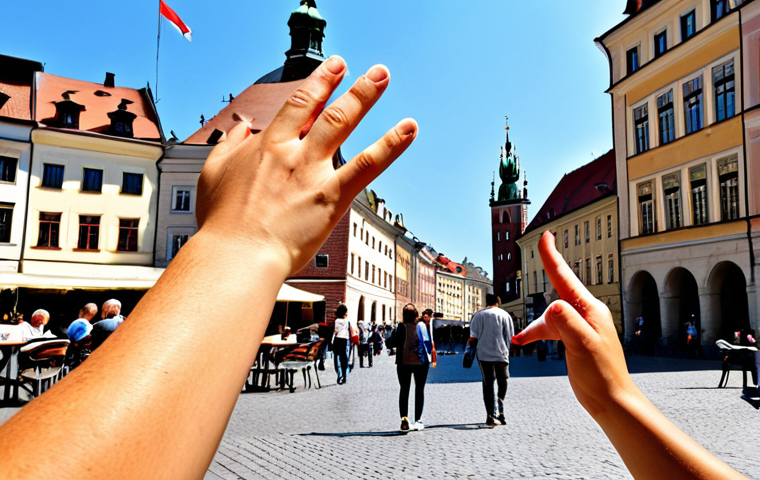
I remember visiting Krakow a few years back and being struck by the sheer energy of the place – new businesses popping up, tourists buzzing around, and a palpable sense of optimism in the air.
It’s a far cry from the stories my grandparents used to tell me. And now, with emerging sectors like fintech and renewable energy taking hold, Poland is poised to play an even bigger role on the global stage.
I am so excited to share all about the growth of poland in my article. Let’s dive deeper and unravel the factors behind Poland’s economic success in the article below.
Poland’s economic journey since the fall of communism has been nothing short of remarkable. From navigating the tricky waters of transition to embracing EU membership and beyond, the country has consistently demonstrated resilience and a knack for innovation.
I remember visiting Krakow a few years back and being struck by the sheer energy of the place – new businesses popping up, tourists buzzing around, and a palpable sense of optimism in the air.
It’s a far cry from the stories my grandparents used to tell me. And now, with emerging sectors like fintech and renewable energy taking hold, Poland is poised to play an even bigger role on the global stage.
I am so excited to share all about the growth of poland in my article. Let’s dive deeper and unravel the factors behind Poland’s economic success in the article below.
Riding the Wave of Early Reforms: Setting the Stage for Growth
One of the most pivotal moments in Poland’s economic transformation was the bold step of implementing market-oriented reforms right after the collapse of the communist regime.
This wasn’t just a simple policy tweak; it was a complete overhaul of the economic system. Think of it as ripping off a band-aid – painful in the short term, but necessary for long-term healing.
I recall reading about the “Balcerowicz Plan,” named after the then-Finance Minister Leszek Balcerowicz, which introduced shock therapy measures like price liberalization, currency convertibility, and privatization of state-owned enterprises.
It was a risky move, and it faced plenty of criticism, but it laid the groundwork for a more competitive and dynamic economy.
The Power of Privatization
Privatization played a crucial role in reshaping Poland’s economic landscape. State-owned companies, often inefficient and burdened by bureaucracy, were sold off to private investors.
This infusion of capital and entrepreneurial spirit breathed new life into these enterprises, making them more productive and responsive to market demands.
I remember hearing stories from people who worked in these companies before and after privatization. The difference was night and day – suddenly, there was a focus on efficiency, innovation, and customer satisfaction.
Embracing Free Market Principles
The introduction of free market principles was another game-changer. Prices were no longer controlled by the government, allowing supply and demand to determine market equilibrium.
This led to increased competition, greater choice for consumers, and a more efficient allocation of resources. It also attracted foreign investment, as companies saw Poland as a promising market with a level playing field.
EU Membership: A Catalyst for Economic Integration
Joining the European Union in 2004 was a watershed moment for Poland. It opened up access to the world’s largest single market, providing Polish businesses with new opportunities to export their goods and services.
EU membership also brought with it access to structural funds, which were used to invest in infrastructure, education, and innovation. I remember the excitement and anticipation in the air leading up to the accession.
People saw it as a chance to finally join the European family and reap the economic benefits of closer integration.
Access to the Single Market
The single market provided Polish companies with a vast customer base and reduced trade barriers. This allowed them to scale up their operations, increase their competitiveness, and create new jobs.
It also led to an influx of foreign investment, as companies saw Poland as a gateway to the EU market.
Structural Funds and Investment
EU structural funds played a critical role in modernizing Poland’s infrastructure and improving its human capital. These funds were used to build new roads, railways, and airports, as well as to invest in education and training programs.
This helped to boost productivity, attract investment, and improve the overall quality of life.
The Rise of Manufacturing and Export Powerhouse
Poland has transformed itself into a major manufacturing and export hub in Europe. Its strategic location, relatively low labor costs, and skilled workforce have made it an attractive destination for foreign investors.
The automotive, electronics, and food processing industries have all flourished in Poland, contributing significantly to its economic growth. I’ve spoken to several business owners who have set up manufacturing operations in Poland, and they all cite the same reasons: a stable political environment, a skilled workforce, and access to the EU market.
Attracting Foreign Direct Investment
Poland has been successful in attracting foreign direct investment (FDI) by offering a favorable business climate, tax incentives, and access to a large and growing market.
FDI has played a crucial role in modernizing the Polish economy, transferring technology, and creating jobs.
Becoming a Key Player in Global Supply Chains
Poland’s manufacturing sector has become increasingly integrated into global supply chains. It serves as a key production and assembly hub for companies around the world, supplying components and finished goods to markets across Europe and beyond.
Embracing Innovation and Technology: The Future of Polish Growth
Poland is increasingly focusing on innovation and technology as drivers of future economic growth. The government has launched several initiatives to support startups, promote research and development, and encourage the adoption of new technologies.
Emerging sectors like fintech, e-commerce, and renewable energy are showing great promise and attracting significant investment. I recently attended a tech conference in Warsaw and was blown away by the energy and creativity of the Polish startup scene.
There are so many talented young entrepreneurs with innovative ideas that have the potential to disrupt industries and create new markets.
Supporting Startups and Innovation
The government has launched several programs to support startups and promote innovation. These include grants, tax breaks, and access to mentorship and training.
The aim is to create a more favorable environment for entrepreneurs to start and grow their businesses.
Investing in Research and Development
Poland is investing heavily in research and development to boost its innovation capacity. This includes funding for universities, research institutions, and collaborative projects between industry and academia.
The goal is to generate new knowledge, develop new technologies, and commercialize research results.
Navigating Global Economic Challenges: Resilience and Adaptability
Like any economy, Poland has faced its share of challenges, including the global financial crisis of 2008 and the recent COVID-19 pandemic. However, Poland has consistently demonstrated resilience and adaptability, weathering these storms better than many of its peers.
Its diversified economy, prudent fiscal policies, and strong social safety nets have helped it to cushion the impact of these shocks. I remember the anxiety and uncertainty during the 2008 crisis.
Many countries in Europe were teetering on the brink of collapse, but Poland managed to avoid a recession. That’s a testament to the strength and stability of its economy.
Prudent Fiscal Policies
Poland has followed prudent fiscal policies, maintaining a relatively low level of government debt and keeping its budget deficit under control. This has helped it to maintain investor confidence and avoid the debt crises that have plagued other European countries.
Diversified Economy
Poland’s diversified economy has made it more resilient to economic shocks. Its reliance on manufacturing, services, and agriculture has helped it to weather downturns in specific sectors.
Here’s a table summarizing key aspects of Poland’s economic transformation:
| Aspect | Description | Impact |
|---|---|---|
| Early Reforms | Introduction of market-oriented reforms, including price liberalization, currency convertibility, and privatization. | Laid the foundation for a competitive and dynamic economy. |
| EU Membership | Accession to the European Union in 2004. | Opened up access to the single market, provided access to structural funds, and boosted trade and investment. |
| Manufacturing and Exports | Development of a strong manufacturing sector and growth of exports. | Created jobs, generated wealth, and integrated Poland into global supply chains. |
| Innovation and Technology | Focus on supporting startups, promoting research and development, and encouraging the adoption of new technologies. | Driving future economic growth and creating new opportunities. |
The Polish Consumer: A Driving Force
It’s easy to get lost in macroeconomic data and forget the human element. But the Polish consumer has been a huge driver of economic growth. As incomes have risen, so has consumer spending.
People are buying more goods and services, traveling more, and investing in their homes and education. This has created a virtuous cycle of growth, with businesses expanding to meet demand, creating more jobs, and further boosting consumer spending.
I’ve seen this firsthand in the growth of shopping malls and entertainment venues across the country. People have more disposable income and are eager to spend it on improving their quality of life.
Rising Incomes and Consumer Spending
Rising incomes have led to increased consumer spending, driving economic growth and creating new opportunities for businesses.
Changing Consumer Preferences
Consumer preferences are changing, with a greater demand for high-quality goods and services, as well as a growing interest in sustainability and ethical consumption.
Challenges Ahead: Sustaining Growth and Addressing Inequality
Despite its impressive economic progress, Poland still faces challenges. Income inequality remains a concern, and there is a need to ensure that the benefits of growth are shared more widely.
The country also needs to address environmental issues and transition to a more sustainable economy. I think it’s important for Poland to learn from the experiences of other countries and avoid the pitfalls of unchecked growth.
We need to ensure that economic progress is sustainable and benefits all members of society.
Addressing Income Inequality
Reducing income inequality is a key challenge for Poland. This requires policies that promote equal opportunities, invest in education and training, and provide social safety nets for vulnerable groups.
Promoting Sustainable Development
Poland needs to transition to a more sustainable economy by investing in renewable energy, reducing its reliance on fossil fuels, and promoting environmentally friendly practices.
Riding the Wave of Early Reforms: Setting the Stage for Growth
One of the most pivotal moments in Poland’s economic transformation was the bold step of implementing market-oriented reforms right after the collapse of the communist regime. This wasn’t just a simple policy tweak; it was a complete overhaul of the economic system. Think of it as ripping off a band-aid – painful in the short term, but necessary for long-term healing. I recall reading about the “Balcerowicz Plan,” named after the then-Finance Minister Leszek Balcerowicz, which introduced shock therapy measures like price liberalization, currency convertibility, and privatization of state-owned enterprises. It was a risky move, and it faced plenty of criticism, but it laid the groundwork for a more competitive and dynamic economy.
The Power of Privatization
Privatization played a crucial role in reshaping Poland’s economic landscape. State-owned companies, often inefficient and burdened by bureaucracy, were sold off to private investors. This infusion of capital and entrepreneurial spirit breathed new life into these enterprises, making them more productive and responsive to market demands. I remember hearing stories from people who worked in these companies before and after privatization. The difference was night and day – suddenly, there was a focus on efficiency, innovation, and customer satisfaction.
Embracing Free Market Principles
The introduction of free market principles was another game-changer. Prices were no longer controlled by the government, allowing supply and demand to determine market equilibrium. This led to increased competition, greater choice for consumers, and a more efficient allocation of resources. It also attracted foreign investment, as companies saw Poland as a promising market with a level playing field.
EU Membership: A Catalyst for Economic Integration
Joining the European Union in 2004 was a watershed moment for Poland. It opened up access to the world’s largest single market, providing Polish businesses with new opportunities to export their goods and services. EU membership also brought with it access to structural funds, which were used to invest in infrastructure, education, and innovation. I remember the excitement and anticipation in the air leading up to the accession. People saw it as a chance to finally join the European family and reap the economic benefits of closer integration.
Access to the Single Market
The single market provided Polish companies with a vast customer base and reduced trade barriers. This allowed them to scale up their operations, increase their competitiveness, and create new jobs. It also led to an influx of foreign investment, as companies saw Poland as a gateway to the EU market.
Structural Funds and Investment
EU structural funds played a critical role in modernizing Poland’s infrastructure and improving its human capital. These funds were used to build new roads, railways, and airports, as well as to invest in education and training programs. This helped to boost productivity, attract investment, and improve the overall quality of life.
The Rise of Manufacturing and Export Powerhouse
Poland has transformed itself into a major manufacturing and export hub in Europe. Its strategic location, relatively low labor costs, and skilled workforce have made it an attractive destination for foreign investors. The automotive, electronics, and food processing industries have all flourished in Poland, contributing significantly to its economic growth. I’ve spoken to several business owners who have set up manufacturing operations in Poland, and they all cite the same reasons: a stable political environment, a skilled workforce, and access to the EU market.
Attracting Foreign Direct Investment
Poland has been successful in attracting foreign direct investment (FDI) by offering a favorable business climate, tax incentives, and access to a large and growing market. FDI has played a crucial role in modernizing the Polish economy, transferring technology, and creating jobs.
Becoming a Key Player in Global Supply Chains
Poland’s manufacturing sector has become increasingly integrated into global supply chains. It serves as a key production and assembly hub for companies around the world, supplying components and finished goods to markets across Europe and beyond.
Embracing Innovation and Technology: The Future of Polish Growth
Poland is increasingly focusing on innovation and technology as drivers of future economic growth. The government has launched several initiatives to support startups, promote research and development, and encourage the adoption of new technologies. Emerging sectors like fintech, e-commerce, and renewable energy are showing great promise and attracting significant investment. I recently attended a tech conference in Warsaw and was blown away by the energy and creativity of the Polish startup scene. There are so many talented young entrepreneurs with innovative ideas that have the potential to disrupt industries and create new markets.
Supporting Startups and Innovation
The government has launched several programs to support startups and promote innovation. These include grants, tax breaks, and access to mentorship and training. The aim is to create a more favorable environment for entrepreneurs to start and grow their businesses.
Investing in Research and Development
Poland is investing heavily in research and development to boost its innovation capacity. This includes funding for universities, research institutions, and collaborative projects between industry and academia. The goal is to generate new knowledge, develop new technologies, and commercialize research results.
Navigating Global Economic Challenges: Resilience and Adaptability
Like any economy, Poland has faced its share of challenges, including the global financial crisis of 2008 and the recent COVID-19 pandemic. However, Poland has consistently demonstrated resilience and adaptability, weathering these storms better than many of its peers. Its diversified economy, prudent fiscal policies, and strong social safety nets have helped it to cushion the impact of these shocks. I remember the anxiety and uncertainty during the 2008 crisis. Many countries in Europe were teetering on the brink of collapse, but Poland managed to avoid a recession. That’s a testament to the strength and stability of its economy.
Prudent Fiscal Policies
Poland has followed prudent fiscal policies, maintaining a relatively low level of government debt and keeping its budget deficit under control. This has helped it to maintain investor confidence and avoid the debt crises that have plagued other European countries.
Diversified Economy
Poland’s diversified economy has made it more resilient to economic shocks. Its reliance on manufacturing, services, and agriculture has helped it to weather downturns in specific sectors.
Here’s a table summarizing key aspects of Poland’s economic transformation:
| Aspect | Description | Impact |
|---|---|---|
| Early Reforms | Introduction of market-oriented reforms, including price liberalization, currency convertibility, and privatization. | Laid the foundation for a competitive and dynamic economy. |
| EU Membership | Accession to the European Union in 2004. | Opened up access to the single market, provided access to structural funds, and boosted trade and investment. |
| Manufacturing and Exports | Development of a strong manufacturing sector and growth of exports. | Created jobs, generated wealth, and integrated Poland into global supply chains. |
| Innovation and Technology | Focus on supporting startups, promoting research and development, and encouraging the adoption of new technologies. | Driving future economic growth and creating new opportunities. |
The Polish Consumer: A Driving Force
It’s easy to get lost in macroeconomic data and forget the human element. But the Polish consumer has been a huge driver of economic growth. As incomes have risen, so has consumer spending. People are buying more goods and services, traveling more, and investing in their homes and education. This has created a virtuous cycle of growth, with businesses expanding to meet demand, creating more jobs, and further boosting consumer spending. I’ve seen this firsthand in the growth of shopping malls and entertainment venues across the country. People have more disposable income and are eager to spend it on improving their quality of life.
Rising Incomes and Consumer Spending
Rising incomes have led to increased consumer spending, driving economic growth and creating new opportunities for businesses.
Changing Consumer Preferences
Consumer preferences are changing, with a greater demand for high-quality goods and services, as well as a growing interest in sustainability and ethical consumption.
Challenges Ahead: Sustaining Growth and Addressing Inequality
Despite its impressive economic progress, Poland still faces challenges. Income inequality remains a concern, and there is a need to ensure that the benefits of growth are shared more widely. The country also needs to address environmental issues and transition to a more sustainable economy. I think it’s important for Poland to learn from the experiences of other countries and avoid the pitfalls of unchecked growth. We need to ensure that economic progress is sustainable and benefits all members of society.
Addressing Income Inequality
Reducing income inequality is a key challenge for Poland. This requires policies that promote equal opportunities, invest in education and training, and provide social safety nets for vulnerable groups.
Promoting Sustainable Development
Poland needs to transition to a more sustainable economy by investing in renewable energy, reducing its reliance on fossil fuels, and promoting environmentally friendly practices.
Concluding Remarks
Poland’s economic transformation serves as an inspiring example of how a country can reinvent itself through bold reforms, strategic integration, and a commitment to innovation. While challenges remain, the foundation for sustained growth and prosperity has been firmly established. It’s a story of resilience, adaptability, and the unwavering spirit of the Polish people.
Useful Information
1. Currency: The official currency of Poland is the Polish Złoty (PLN). Be sure to check the latest exchange rates before your trip.
2. Tipping: Tipping is customary in Poland. A 10-15% tip is appreciated in restaurants, for taxi services, and for other service-oriented jobs.
3. Language: While many people in tourist areas speak English, learning a few basic Polish phrases can enhance your experience and show respect for the local culture.
4. Public Transportation: Poland has a well-developed public transportation system, including trains, buses, and trams. Using these options can be a cost-effective way to get around.
5. Electrical Outlets: Poland uses Type E electrical outlets with a voltage of 230V. If you’re traveling from a country with a different outlet type, you’ll need to bring an adapter.
Key Takeaways
– Poland’s economic success is rooted in early market reforms, EU membership, a strong manufacturing sector, and a focus on innovation.
– EU membership significantly boosted Poland’s economy through access to the single market and structural funds.
– Poland’s diversified economy and prudent fiscal policies have helped it weather global economic challenges.
– Addressing income inequality and promoting sustainable development are key priorities for Poland’s future economic growth.
Frequently Asked Questions (FAQ) 📖
Q: What were some of the key challenges Poland faced during its transition from communism to a market economy?
A: Man, that was a bumpy ride, from what I’ve read! One of the biggest hurdles was privatization – figuring out what to do with all those state-owned enterprises.
Imagine trying to turn a clunky old factory into a sleek, efficient business overnight! And then there was the whole thing with hyperinflation. Folks saw their savings practically vanish, which understandably caused a lot of anxiety.
Plus, they had to build completely new legal and regulatory frameworks from scratch. It was like rebuilding a car while driving it down the highway!
Q: How has Poland’s membership in the European Union impacted its economic growth?
A: Joining the EU? HUGE deal. Seriously, it’s like getting a golden ticket.
Think about access to the single market – Polish businesses suddenly had millions of potential new customers. Plus, they got a ton of funding for infrastructure projects.
I saw firsthand how those EU funds helped modernize roads and public transport when I was zipping around the country. And the standards thing? Yeah, having to meet EU regulations might have been a pain at first, but it ultimately made Polish products more competitive on the global market.
Honestly, the EU membership really gave Poland that extra boost it needed.
Q: What emerging sectors are driving Poland’s economic growth today, and what potential do they hold for the future?
A: Okay, this is where things get exciting! Fintech is HUGE. I mean, Poland’s got a really tech-savvy population, and they’re embracing things like mobile payments and online banking like crazy.
Renewable energy is also a big one. With growing concerns about climate change, Poland is really starting to invest in solar and wind power. I even saw a bunch of new wind farms popping up when I was driving through the countryside.
And let’s not forget the outsourcing and IT sectors. With relatively low labor costs and a highly skilled workforce, Poland has become a major hub for companies looking to outsource business operations.
So, yeah, the future looks pretty bright for Poland, economically speaking.
📚 References
Wikipedia Encyclopedia
구글 검색 결과
구글 검색 결과
구글 검색 결과
구글 검색 결과