Unlock Polands Soul The Essential Catholic Customs You Must Experience Or Youll Miss Out

webmaster

폴란드 카톨릭 문화 - Jasna Góra Pilgrimage: The Ascent of Faith**

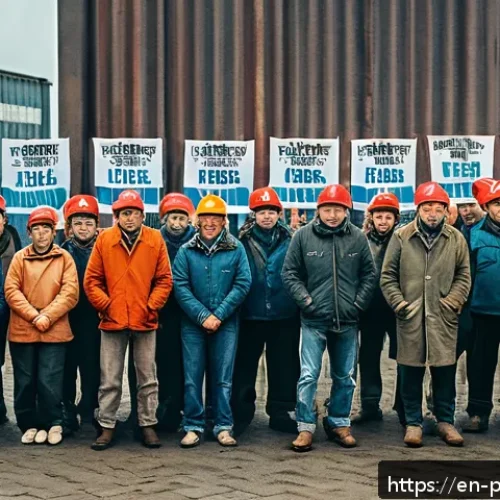
A breathtaking wide-angle shot of hundreds of pilgrims...

In an age where information floods our screens, discerning the true heart of a culture has never been more vital, or more fascinating. We’re living in a time where global events, economic shifts, and even the future of tourism are intrinsically linked to how we understand and respect the traditions that shape nations.

Think about it: how often do we see headlines driven by cultural identity, historical legacies, or even spiritual movements? Thanks to amazing tools powered by advanced AI, like those behind GPT’s incredible search capabilities, we’re constantly uncovering deeper insights into cultural nuances, historical legacies, and the unique identities that make each country special.

From exploring how ancient rituals influence modern politics to predicting the next big cultural phenomenon, staying ahead of these trends is absolutely key.

Understanding cultures isn’t just about travel anymore; it’s about navigating a rapidly evolving, interconnected world, fostering empathy, and even unlocking new economic opportunities.

It’s about seeing the threads that connect us all, even when they seem wildly different, and appreciating the rich tapestry they weave for humanity, today and into the future.

## Beyond the Basilicas: Unveiling the Soul of Polish Catholic CultureHaving spent a good chunk of my life exploring different corners of Europe, I can tell you firsthand that few countries wear their heart on their sleeve quite like Poland, especially when it comes to faith.

It’s more than just religion; it’s the very backbone of their national identity, woven into every celebration, every family tradition, and every historical milestone.

From the moment you step onto Polish soil, you feel it—a palpable sense of devotion that profoundly shapes daily life. Curious how centuries of unwavering faith have sculpted this incredible nation into what it is today?

Let’s uncover the story! When I first planned my trip to Poland a few years ago, I expected to see beautiful architecture and experience a rich history, but what truly caught me off guard was the sheer, undeniable presence of Catholic culture everywhere I went.

It wasn’t just in the grand cathedrals of Krakow or the solemn memorials in Warsaw; it was in the hushed reverence you felt on a Sunday morning, the vibrant way holidays were celebrated, and the countless small shrines dedicated to the Virgin Mary adorning street corners and even private gardens.

I remember walking through a bustling market in Gdansk and seeing a woman make the sign of the cross as she passed a small, unassuming church—it was such a natural, ingrained gesture, a testament to how deeply faith is intertwined with everyday life here.

This isn’t just about religious observance; it’s about a national identity forged in the crucible of history. Think about it: for centuries, when Poland was partitioned, occupied, and even erased from maps, the Catholic Church remained the steadfast guardian of Polish language, culture, and national spirit.

It was the rallying point, the voice of resistance, and the keeper of hope. My conversations with locals often circled back to this point – how their faith was not just a personal belief, but a communal shield against existential threats.

One elderly gentleman in a small village near Zakopane, his eyes twinkling with memories, told me how during the communist era, going to church wasn’t just about prayer; it was an act of defiance, a quiet statement of who they truly were.

That kind of shared experience, passed down through generations, creates an incredibly powerful cultural bond. Perhaps no figure embodies this connection more profoundly than Pope John Paul II.

Born Karol Wojtyła in Wadowice, his papacy was a pivotal moment not just for Poland, but for the entire world. I’ve visited his childhood home and the places he walked, and you can still feel the immense pride and love Poles have for him.

His election in 1978 sent shockwaves through the communist bloc, invigorating the Solidarity movement and playing a significant role in the eventual fall of the Iron Curtain.

For many Poles, he wasn’t just the leader of the Catholic Church; he was *their* Pope, a symbol of their resilience and an affirmation of their distinct identity on the global stage.

It’s a powerful narrative, a story of how one man’s faith-driven leadership profoundly shaped geopolitical history. His legacy continues to influence Polish society in countless ways, from political discourse to educational values, making him an enduring symbol of national strength and moral authority.

Polish Catholic culture truly comes alive during its annual celebrations. Christmas Eve, known as Wigilia, is a prime example. I was fortunate enough to experience it with a Polish family in Poznań.

It’s not just a meal; it’s a sacred ritual, steeped in tradition. We waited for the first star to appear before sitting down to a meatless feast of twelve dishes, symbolizing the twelve apostles.

We shared opłatek, a blessed wafer, exchanging wishes for health and prosperity. The empty seat left at the table for an unexpected guest, the hay beneath the tablecloth – these aren’t just quaint customs; they are profound expressions of hospitality, humility, and unwavering faith.

Similarly, Easter is a vibrant affair, with elaborate basket blessings (Święconka) and deeply personal observances of the Passion. The sheer dedication and community spirit you witness during these times are truly heartwarming and incredibly eye-opening.

You see families spending days preparing, children excitedly decorating eggs, and everyone coming together, not just as family units, but as part of a larger, interconnected spiritual community.

But it’s not all ancient traditions and grand historical figures. Modern Polish Catholic culture is a dynamic, evolving tapestry. While church attendance might be declining among some younger generations, especially in larger cities, the influence of Catholic values remains strong in family structures, educational systems, and public discourse.

You still see Catholic symbols prominently displayed, hear references to saints in everyday conversation, and witness the ongoing debate about the Church’s role in contemporary society.

I’ve had lively discussions with young Poles who, while perhaps not regular churchgoers themselves, deeply appreciate the cultural bedrock Catholicism provides, especially in maintaining unique Polish customs against a backdrop of increasing globalization.

They might question certain doctrines, but they still cherish the community, the history, and the moral framework it offers. Moreover, the physical landscape of Poland tells its own story of faith.

Beyond the magnificent basilicas and cathedrals, you’ll discover countless wayside shrines and small chapels dotted across the countryside, often adorned with fresh flowers.

These miniature places of worship, frequently dedicated to the Virgin Mary or local saints, serve as silent guardians of the land, testaments to personal devotion and communal piety.

Pilgrimages, particularly to the Jasna Góra Monastery in Częstochowa, home to the Black Madonna, remain incredibly significant. I joined a small group on a portion of their pilgrimage walk once, and the sense of camaraderie, shared purpose, and deep spiritual reflection was utterly profound.

It’s a journey that connects people to centuries of devotion, a physical manifestation of their unwavering faith. Understanding Polish Catholic culture means understanding the very soul of Poland.

It’s a culture of deep tradition, fierce independence, and profound resilience, all shaped by centuries of unwavering faith. From the historical struggles that bound a nation to its church, to the intimate family rituals that define its holidays, and the enduring legacy of figures like Pope John Paul II, this is a heritage that demands exploration.

It continues to evolve, facing new challenges and adapting to a modern world, yet its core remains steadfast. This rich cultural landscape is a testament to the power of belief, community, and history.

Ready to truly grasp the profound impact of this heritage? Let’s delve into its enduring spirit together!

The Enduring Power of the Black Madonna: Jasna Góra’s Heartbeat

폴란드 카톨릭 문화 - Jasna Góra Pilgrimage: The Ascent of Faith**

A breathtaking wide-angle shot of hundreds of pilgrims...

Whenever I think about the heart of Polish Catholicism, my mind inevitably drifts to Jasna Góra. It’s not just a monastery; it’s a living testament to faith, resilience, and national identity, all centered around the revered icon of the Black Madonna.

I remember the first time I saw it – not the painting itself, but the sheer number of pilgrims, some crawling on their knees for hundreds of meters, eyes fixed on the chapel.

It’s an incredibly moving sight, a powerful demonstration of unwavering devotion that feels both deeply personal and universally shared. This isn’t just a religious site; it’s a spiritual fortress that has, for centuries, shielded the Polish spirit through countless invasions and hardships.

Visiting Jasna Góra is like stepping into the collective soul of a nation, where every prayer and every tear seems to echo with centuries of history. The atmosphere is palpable, charged with emotion and an almost tangible sense of hope.

You feel the weight of history, yet also the lightness of enduring faith.

A Pilgrimage Like No Other

Joining the stream of pilgrims to Jasna Góra, even for just a small part of their journey, was one of the most profound experiences I’ve ever had in Poland.

People walk for days, sometimes weeks, from all corners of the country, carrying their intentions, their hopes, and their burdens. I spoke with a woman who had been making this pilgrimage annually for over thirty years, each time for a different family member or a personal struggle.

Her feet were tired, but her eyes shone with an unshakeable inner peace. It’s a journey that strips away the superficial, connecting individuals to a shared spiritual heritage and to each other in a way that’s incredibly rare in our fast-paced world.

The camaraderie among pilgrims, the shared hymns, and the simple acts of kindness along the way create a bond that transcends mere acquaintance, transforming strangers into a temporary, but deeply connected, community.

It truly felt like witnessing faith in its purest, most active form.

The Queen of Poland: Symbol of Survival

The Black Madonna of Częstochowa, formally known as Our Lady of Częstochowa, is much more than a painting; it’s considered the spiritual “Queen of Poland.” Its significance transcends religious veneration, reaching into the very core of Polish nationhood.

Legend has it that the icon itself played a miraculous role in defending the monastery during the Swedish Deluge in the 17th century, strengthening the belief that Mary intercedes on behalf of Poland.

During times of partition, occupation, and communist rule, the image remained a beacon of hope and a symbol of national independence. For Poles, the Black Madonna isn’t just a depiction of Mary; it’s a testament to their survival, their identity, and their unwavering faith in divine protection.

This makes any visit to her shrine not just a religious act, but a profound cultural and historical experience, a tangible link to the struggles and triumphs that have shaped the nation.

Polish Catholicism Beyond the Altar: Art, Music, and Folk Traditions

While the grand cathedrals are certainly breathtaking, the influence of Polish Catholic culture extends far beyond the walls of the church, permeating the country’s rich artistic and musical heritage.

It’s impossible to truly appreciate the depth of Polish creativity without understanding the profound inspiration drawn from faith. From the melancholic beauty of Chopin’s nocturnes to the intricate designs of regional folk art, you can feel the spiritual undercurrents.

I remember visiting a small museum of folk crafts in the Tatra Mountains, and almost every piece, from carved wooden figures to embroidered textiles, had subtle religious motifs woven into its very fabric.

It shows how deeply intertwined faith is with the everyday expressions of beauty and creativity in Polish life, acting as an unseen muse that guides the hands of artists and composers alike.

It’s this deep integration that makes Polish culture so uniquely vibrant and soulful.

Echoes of Faith in Polish Melodies

Take, for instance, Frédéric Chopin, one of Poland’s most celebrated composers. While his music isn’t overtly religious in the way a Mass might be, many scholars and listeners, myself included, hear a profound spiritual longing and an echo of Polish Catholic sentiment in his works.

His mazurkas and polonaises often carry a deep sense of national pride and yearning, which for Poles, is intrinsically linked to their faith. Then there’s the rich tradition of sacred music, from ancient Gregorian chants preserved in monasteries to powerful contemporary hymns sung in every parish.

I once attended a Christmas concert in Warsaw where a children’s choir sang traditional carols, and the sheer purity of their voices, combined with the timeless melodies, was absolutely captivating.

It wasn’t just music; it was a prayer set to sound, a communal act of worship and cultural preservation that reached deep into my own heart.

Sacred Art: A Visual Testament

Walk into almost any art gallery or museum in Poland, and you’ll quickly notice the prevalence of sacred art. Beyond the iconic Black Madonna, there’s a vast collection of painting, sculpture, and liturgical vestments that tell stories of saints, miracles, and the life of Christ.

These aren’t just historical artifacts; they are windows into the collective spiritual consciousness of the Polish people. I was particularly struck by a series of wooden folk sculptures depicting various saints, each carved with a profound simplicity and humility that spoke volumes.

Even today, contemporary Polish artists continue to explore religious themes, finding new ways to express timeless truths through modern mediums. This continuous dialogue between faith and artistic expression ensures that Catholic culture remains a living, breathing part of Poland’s creative landscape, constantly inspiring new interpretations and fostering a deep appreciation for beauty that transcends generations.

Advertisement

Shaping Generations: Faith in Polish Family Life and Education

It’s often said that the family is the cornerstone of society, and in Poland, the Catholic faith provides the very foundation for that cornerstone. From the way children are raised to the values instilled within them, Catholicism plays an undeniably central role in family life and education.

I’ve seen it firsthand in Polish homes: the evening prayers, the blessing of meals, the respectful discussions about moral dilemmas. It’s not about rigid dogma as much as it is about instilling a sense of ethical responsibility, community, and a spiritual understanding of the world.

Parents frequently pass on traditions that have been cherished for generations, ensuring that the unique blend of faith and culture continues to thrive.

This creates a strong sense of identity and belonging that I believe is increasingly rare in many parts of the world today.

Values Taught at the Kitchen Table

For many Polish families, the kitchen table isn’t just where meals are eaten; it’s a classroom for life, a place where values are implicitly and explicitly taught.

Grandparents, parents, and children gather, often sharing stories, discussing current events through a moral lens, and reinforcing the importance of honesty, compassion, and respect for elders.

I was invited to a family dinner once where before we ate, the youngest child, no older than five, led a simple prayer. It wasn’t forced or performative; it was a natural part of their rhythm, a quiet moment of gratitude and reflection.

These small, daily rituals build a powerful framework of faith that shapes character and helps navigate the complexities of life, ensuring that spiritual teachings are not just abstract concepts but lived realities.

The Church and Learning: A Historical Bond

The relationship between the Catholic Church and education in Poland is a long and storied one, stretching back centuries. Historically, monasteries and parish schools were often the primary centers of learning, preserving knowledge and fostering literacy during times of intellectual darkness.

Even in modern Poland, while public education is secular, the influence of Catholic ethics and values often finds its way into the curriculum, particularly in discussions of history, literature, and social studies.

Many parents still opt for Catholic schools, not just for religious instruction, but for the emphasis on moral development, discipline, and community spirit.

This deep, historical bond ensures that the Church continues to play a significant, albeit evolving, role in shaping the minds and hearts of future generations, complementing academic learning with a robust moral and spiritual compass.

Charity and Community: The Hands of Faith in Action

Beyond personal devotion and grand ceremonies, Polish Catholic culture truly shines through its unwavering commitment to charity and community support.

It’s not just about what happens inside the church; it’s about how faith inspires active compassion and social responsibility in the wider world. I’ve always been struck by the robust network of charitable organizations, often parish-based, that provide a lifeline for those in need.

Whether it’s feeding the homeless, supporting the elderly, or assisting families facing hardship, the spirit of Christian charity is alive and exceptionally well here.

It’s a beautiful reminder that faith isn’t passive; it’s a call to action, compelling people to reach out and make a tangible difference in their local communities and beyond.

Local Parishes: Beyond Spiritual Guidance

A Polish parish is far more than just a place of worship; it’s often the social hub of a neighborhood, especially in smaller towns and villages. It’s where people gather for community events, where support groups meet, and where volunteers organize initiatives to help their neighbors.

I recall a time when a local parish in a village near Lublin organized a drive to collect clothes and food for families affected by an unexpected flood.

The response was immediate and overwhelming, with people of all ages pitching in, driven by a shared sense of duty and empathy. These parishes foster a deep sense of belonging and mutual aid, demonstrating that the Church serves not only as a spiritual guide but also as a powerful engine for social cohesion and practical assistance.

Caritas Poland: A Lifeline for Many

When you talk about Catholic charity in Poland, Caritas Poland is a name you’ll hear often. It’s one of the largest and most effective charitable organizations in the country, operating a vast network of social services that touch countless lives.

From providing hot meals to the homeless and operating senior care homes to offering psychological support and assisting refugees, Caritas embodies the practical application of Catholic social teaching.

I’ve seen their work in action during my travels, particularly their efforts during various crises, and it’s truly inspiring. They mobilize volunteers, coordinate resources, and extend a hand of hope to those marginalized or forgotten by society.

It’s a powerful testament to how organized faith-based charity can create a profound and lasting positive impact, often filling gaps that governmental services might miss.

Advertisement

Navigating Modernity: Faith in a Secularizing World

Like many societies across Europe, Poland is grappling with the complexities of modernity, including shifts in attitudes towards religion and a gradual, albeit debated, trend towards secularization.

It’s fascinating to observe this dynamic interplay between deep-rooted traditions and the forces of contemporary change. While Poland remains one of Europe’s most Catholic nations, particularly compared to its western neighbors, you can definitely feel the conversations happening, especially among younger generations in urban centers.

It’s a nuanced situation, where faith is still incredibly influential but is also being re-evaluated, questioned, and sometimes, adapted to fit a more individualistic worldview.

This ongoing dialogue ensures that Polish Catholicism isn’t stagnant but a living tradition, constantly engaging with the evolving landscape of modern life.

Youth and Faith: A Changing Landscape

I’ve had many conversations with young Poles, and their relationship with the Church is often more complex than that of their parents or grandparents.

While many still identify as Catholic and appreciate the cultural heritage, regular church attendance can be lower, and there’s often a more critical stance towards certain doctrines or the Church’s involvement in politics.

However, this doesn’t necessarily mean a rejection of spirituality itself. Instead, it often signifies a search for a more personal, less institutionalized faith.

Some find community in smaller, more progressive Catholic groups, while others maintain their beliefs privately. It’s a fascinating generational shift, indicating that while the expression of faith may be changing, its underlying importance in shaping values and identity remains a powerful force, albeit in new and evolving forms.

Public Discourse: Church and State

The role of the Catholic Church in Poland’s public and political discourse is a topic that always sparks lively debate. Given its historical significance as a guardian of national identity, the Church has traditionally held considerable moral authority and influence.

You’ll often see bishops commenting on social issues, family values, and even national policies. This can lead to tension, particularly among those who advocate for a stricter separation of church and state, or those with more liberal viewpoints.

However, for many, the Church continues to serve as an important moral compass and a voice for traditional values. The ongoing discussions reflect a society grappling with how to balance its deep-seated religious heritage with the demands of a modern, pluralistic democracy.

It’s a dynamic and often passionate conversation that underscores the Church’s continuing relevance in Polish society.

Experiencing Polish Catholic Culture as a Visitor: Tips and Insights

For anyone traveling to Poland, truly engaging with its Catholic culture can enrich your journey immensely. It’s not just about ticking off historical sites; it’s about respectfully immersing yourself in the living traditions that define this nation.

From attending a Sunday Mass to simply observing local customs, there are countless ways to connect with this deeply spiritual heritage. My advice? Approach it with an open heart and a willingness to learn, and you’ll uncover layers of meaning you might otherwise miss.

Remember, this is a vibrant, active faith, not just a historical relic, so respectful observation and participation are key to a truly authentic experience.

Attending Mass: What to Expect

If you have the opportunity, attending a Catholic Mass in Poland can be a profoundly moving experience, even if you don’t understand the language. The churches are often stunning, and the sense of community is palpable.

You’ll notice that the liturgy largely follows the Roman Rite, so if you’re familiar with Catholic services, many elements will be recognizable. However, don’t be surprised by the passionate singing and the deep reverence shown by the congregation.

As a guest, simply follow the lead of those around you: stand, sit, and kneel when they do. Modest dress is always appreciated, and while communion is typically reserved for practicing Catholics, you can always go up during the communion line with your arms crossed over your chest to receive a blessing instead.

It’s a wonderful way to feel the pulse of local faith.

Visiting Shrines and Holy Sites: Etiquette

Poland is dotted with countless shrines, chapels, and holy sites, from grand basilicas to humble roadside altars. When visiting these places, remember they are active places of worship, not just tourist attractions.

Always dress respectfully – shoulders and knees covered are a good general rule. Maintain a quiet demeanor, especially if there are people praying. Photography is often permitted, but always be discreet and avoid using flash during services or when others are in prayer.

If you see a small offering box, it’s customary to leave a small donation if you feel moved to do so, as these contributions often help maintain these beautiful and important sites.

Showing respect for these sacred spaces is a simple but powerful way to honor the local culture.

Understanding Local Customs

Beyond formal services, you’ll encounter numerous small customs that speak volumes about Polish Catholic culture. You might see people making the sign of the cross as they pass a church, or a small shrine adorned with fresh flowers on a street corner.

Holidays like Wigilia (Christmas Eve) and Święconka (Easter basket blessing) are deeply cherished family traditions. If you’re invited into a Polish home during these times, consider yourself truly fortunate!

Participating in these customs, even in a small way, is a beautiful gesture of cultural appreciation. Observe, ask questions politely, and be open to these unique expressions of faith and heritage.

They are the threads that weave the rich tapestry of everyday Polish life.

Aspect of Polish Catholic Culture Traditional Perspective Modern Challenges/Adaptations
Church Attendance High, regular weekly participation, central to social life. Declining, especially among urban youth; more selective attendance.
Influence on Family Values Strong moral framework, intergenerational transmission of faith. Values still present, but increasingly personalized; less emphasis on dogma.
Role in Public/Political Life Significant moral authority, direct influence on legislation and discourse. Debate over separation of church and state; influence still strong but contested.
Pilgrimages & Devotion Mass pilgrimages to sites like Jasna Góra remain highly popular. Continued strong participation, but also more individual spiritual journeys.
Cultural Expression (Art/Music) Sacred themes dominant; traditional folk art and religious music. Contemporary artists reinterpret themes; secular and religious influences blend.
Advertisement

Saints, Miracles, and Personal Devotion: An Intimate Connection

The formal aspects of Catholic culture are certainly grand, but what often resonates most deeply with me are the quiet, intensely personal expressions of faith – the stories of saints, the belief in everyday miracles, and the intimate devotions practiced by individuals.

It’s in these moments that you truly glimpse the profound connection many Poles feel to their spiritual heritage. This isn’t just about adhering to doctrines; it’s about a living relationship with the divine, often mediated through beloved saints who feel like personal friends or intercessors.

I’ve seen countless small acts of devotion, from lighting a candle in a chapel to a murmured prayer over a family photograph, and each one speaks volumes about the enduring power of personal faith.

The Beloved Saints of Poland

While Pope John Paul II holds a special place, Poland has a rich pantheon of beloved saints, each with their own stories and areas of patronage. Saint Faustina Kowalska, for example, whose visions led to the devotion of Divine Mercy, has a profound impact, with her sanctuary in Łagiewniki drawing millions of pilgrims.

Then there’s Saint Maximilian Kolbe, a Franciscan friar who sacrificed his life for another prisoner at Auschwitz, embodying heroic selflessness. Visiting these sanctuaries and learning their stories provides a window into the spiritual bedrock of the nation.

For many Poles, these saints aren’t just historical figures; they are active intercessors, powerful examples of faith, and sources of comfort and inspiration in daily life.

You’ll find their images everywhere, from car dashboards to kitchen walls.

Everyday Miracles and Personal Prayers

In Polish Catholic culture, the concept of miracles isn’t relegated to ancient texts; it’s a living possibility, often sought through fervent prayer and intercession.

I’ve heard countless personal stories from people who attribute their recovery from illness, finding a lost item, or overcoming a hardship to a specific prayer or the intercession of a saint.

These aren’t always grand, earth-shattering events, but often quiet, personal confirmations of faith. This belief fosters a deep sense of trust in divine providence and encourages a constant dialogue with God through prayer.

You’ll see individuals stop for a moment of quiet reflection in a church, light a candle for a loved one, or simply whisper a prayer as they go about their day.

These small, heartfelt gestures are a powerful reminder of the intimate, ongoing relationship many Poles have with their faith, enriching their lives with hope and meaning.

Wrapping Up Our Journey

As we’ve explored the multifaceted landscape of Polish Catholic culture, it becomes clear that this isn’t merely a set of traditions or a historical relic; it’s the beating heart of a nation, a dynamic force that continuously shapes lives, art, and communities.

My own experiences, from witnessing the profound devotion at Jasna Góra to sharing a simple prayer with a family at their kitchen table, have left an indelible mark.

It’s a culture of deep resilience, quiet strength, and an almost poetic connection to faith that transcends mere attendance at Mass. This journey into the soul of Poland has been nothing short of transformative, revealing how faith empowers, unites, and inspires in ways that are both ancient and utterly contemporary.

It’s a beautiful, complex tapestry, constantly being rewoven by each generation, inviting us all to look a little deeper, feel a little more, and perhaps, find a piece of our own spiritual journey reflected in its enduring light.

Advertisement

Practical Tips for Your Polish Adventure

1. When visiting churches, cathedrals, or any sacred site in Poland, always remember to dress modestly. This means covering your shoulders and knees out of respect for the religious nature of the venue. While many places are accustomed to tourists, showing this simple courtesy is always appreciated by locals and demonstrates your understanding of their culture. I’ve often seen people quickly wrap a scarf around themselves before entering, and it’s a small gesture that goes a long way. Additionally, try to maintain a quiet and respectful demeanor, especially if there are services or private prayers happening. These aren’t just historical buildings; they are active, vibrant places of worship that hold deep personal meaning for many. Think of it less as a sightseeing stop and more as a moment to observe and respect living tradition. You’ll find the experience much more rewarding.

2. Don’t let a language barrier deter you from attending a Catholic Mass if you’re curious! While the Mass will be in Polish, the structure of the Roman Rite is universal, so if you’re familiar with Catholic services, you’ll recognize the flow. The atmosphere alone, with the fervent singing and deep devotion, is a powerful experience in itself. Many larger churches in cities like Krakow or Warsaw might even have occasional English Masses or provide prayer cards in multiple languages, so it’s worth checking their schedules online. If not, simply observe, stand, sit, and kneel with the congregation. You don’t need to understand every word to feel the profound sense of community and faith that fills these sacred spaces. It’s a unique way to truly connect with the local spiritual pulse.

3. If you’re planning to visit major pilgrimage sites like Jasna Góra in Częstochowa, consider your travel options carefully. While you can certainly drive or take public transport (trains and buses are reliable), you might want to look into local tour operators who offer guided day trips. This can enhance your understanding of the site’s history and significance. For those feeling adventurous, and if time permits, try to observe or even join a small portion of a traditional walking pilgrimage. Even walking a kilometer or two with a group of pilgrims, as I once did, can provide an incredible insight into the depth of faith and endurance. It’s a very different experience than simply arriving by car; you’ll feel the shared purpose and the quiet determination of those on their spiritual journey, which is truly unforgettable.

4. Polish cuisine is delicious, but it’s also deeply intertwined with Catholic traditions, particularly regarding fasting and feast days. If you’re visiting during Lent (Wielki Post) or on a Friday, you’ll notice many traditional dishes are meatless, focusing instead on fish, pierogi with cheese or potato fillings, and vegetable-based meals. Christmas Eve dinner, known as Wigilia, is another prime example, featuring twelve meatless dishes. Exploring these culinary traditions isn’t just about food; it’s about understanding the cultural fabric woven with centuries of faith. Don’t hesitate to ask locals about traditional dishes for specific religious periods, as it’s a wonderful way to experience the culture authentically through its rich gastronomic heritage. You might even discover a new favorite dish!

5. The experience of Polish Catholic culture can vary significantly between bustling cities and tranquil rural areas. In major cities like Warsaw or Krakow, you’ll find grand cathedrals and a blend of modern life with traditional faith, where customs might be observed with a slightly more contemporary flair. However, venture into smaller towns and villages, and you’ll often encounter a more deeply ingrained, traditional form of Catholicism. Here, the local parish is truly the heart of the community, and customs are often observed with a greater sense of continuity and strict adherence. Consider dedicating some time to visit both settings if your itinerary allows. The contrast will provide a much richer, more nuanced understanding of how faith permeates different aspects of Polish society, from vibrant urban centers to serene countrysides. It’s like seeing two different, yet equally captivating, sides of the same coin.

The Essence: What to Remember

When reflecting on Polish Catholic culture, it’s imperative to grasp its profound depth and ubiquitous presence, extending far beyond the solemn walls of a church.

Firstly, the Black Madonna of Jasna Góra stands as an unparalleled emblem of national identity and spiritual resilience, a testament to centuries of unwavering faith that has weathered countless storms.

Secondly, recognize that faith permeates every layer of Polish society, from the sublime melodies of classical music and intricate folk art to the cherished traditions woven into family life and educational values, shaping character and community from a young age.

Thirdly, remember the vibrant spirit of charity and active social responsibility, exemplified by local parishes and vast organizations like Caritas, which demonstrate how faith translates into tangible support and compassion for those in need, truly putting belief into action.

Furthermore, acknowledge the dynamic interplay with modernity, as Polish Catholicism navigates contemporary challenges, evolving while retaining its core values and sparking ongoing, vital conversations.

Lastly, for any visitor, approaching this culture with respect, an open mind, and a willingness to immerse oneself will unlock an incredibly rich and authentic experience, moving beyond mere observation to a deeper understanding of a nation deeply rooted in its spiritual heritage.

This journey truly offers a unique window into the enduring power of faith.

Frequently Asked Questions (FAQ) 📖

Q: I’m not Catholic, but I’m fascinated by Polish culture. Is it appropriate for me to visit churches and participate in local celebrations?

A: Absolutely, yes! From my experience, Poles are incredibly welcoming and appreciative of anyone who shows genuine interest and respect for their traditions.
When visiting churches, just remember a few universal etiquette tips: dress modestly (shoulders and knees covered are always a good idea), keep your voice down, and avoid taking photos during services.
During celebrations like Christmas or Easter, if you’re lucky enough to be invited into a Polish home, embrace the customs with an open heart! They’ll usually be thrilled to explain everything to you.
I’ve personally attended Wigilia and Easter blessings without being Catholic, and the families I was with were so gracious, patiently explaining the meaning behind each tradition.
It really enriched my trip and gave me such a deeper appreciation for their community spirit.

Q: You mentioned the evolving nature of Polish Catholic culture. How do younger generations in Poland typically view or engage with these traditions today?

A: That’s a fantastic question, and it’s definitely a nuanced topic! Based on my conversations with younger Poles in cities like Warsaw and Krakow, you’ll find a range of perspectives.
While church attendance might be less frequent for some compared to their parents or grandparents, the cultural impact of Catholicism remains incredibly strong.
Many younger people still value the traditions of family gatherings during holidays, the moral framework the Church often provides, and the historical role it played in shaping Poland’s identity.
They might be more open to questioning specific doctrines or the Church’s involvement in politics, but they often cherish the sense of community and the unique Polish customs that stem from this heritage.
It’s a dynamic relationship – some are very devout, some are culturally Catholic, and others are exploring their own paths, but few are entirely untouched by its pervasive influence.
It’s not a simple black-and-white situation, which actually makes it even more interesting to observe!

Q: Beyond the big cities, what’s the best way for a traveler to truly experience the authentic, everyday Catholic traditions in smaller Polish towns or villages?

A: If you truly want to immerse yourself, venturing into smaller towns and villages is where the magic happens! My top tip would be to try and align your visit with a local festival or a Sunday.
Many small communities have specific feast days for their patron saints, or vibrant local markets that come alive after Sunday mass. Keep an eye out for “Kapliczki” – those charming wayside shrines often adorned with fresh flowers; they’re a beautiful testament to everyday piety.
Engage with locals! I’ve found that simply striking up a friendly conversation in a small café or local shop can lead to invitations to community events or fascinating insights into their daily life and traditions.
Just remember to be respectful and patient. For an even deeper dive, consider a short stay at an agroturystyka (farm stay) in the countryside – you’ll often find yourself truly integrated into the rhythm of a Polish Catholic household, from shared meals to local church visits.

Advertisement