Hey there, fellow culture enthusiasts and future brides-to-be! You know my passion for exploring the incredible tapestry of global traditions, especially when it comes to the ultimate celebration of love: weddings.
And let me tell you, my recent deep dive into the world of Polish traditional weddings left me utterly enchanted! Seriously, if you thought you knew weddings, prepare to have your mind blown by a celebration brimming with centuries of history, heartwarming rituals, and an energy that is absolutely contagious.
It’s not just about saying ‘I do’; it’s an immersive experience that beautifully intertwines deep cultural roots with a surprising contemporary twist, proving that age-old customs can absolutely thrive in our modern world.
I was so captivated by the vibrant festivities, the unique customs, and the sheer joy radiating from everyone that I just knew I had to share this incredible journey with you all.
From the heartfelt blessings to the lively dances, there’s so much rich detail to uncover. Let’s uncover the enchanting world of Polish traditional weddings and discover all the delightful secrets together!
A Journey Through Time: Unveiling the Polish Wedding Saga
The Parental Blessing: A Moment That Stirs the Soul
Oh my goodness, where do I even begin with the depth of emotion I witnessed during the parental blessing? It’s not just a formality; it’s this incredibly profound, tear-jerking moment that truly sets the tone for the entire celebration.
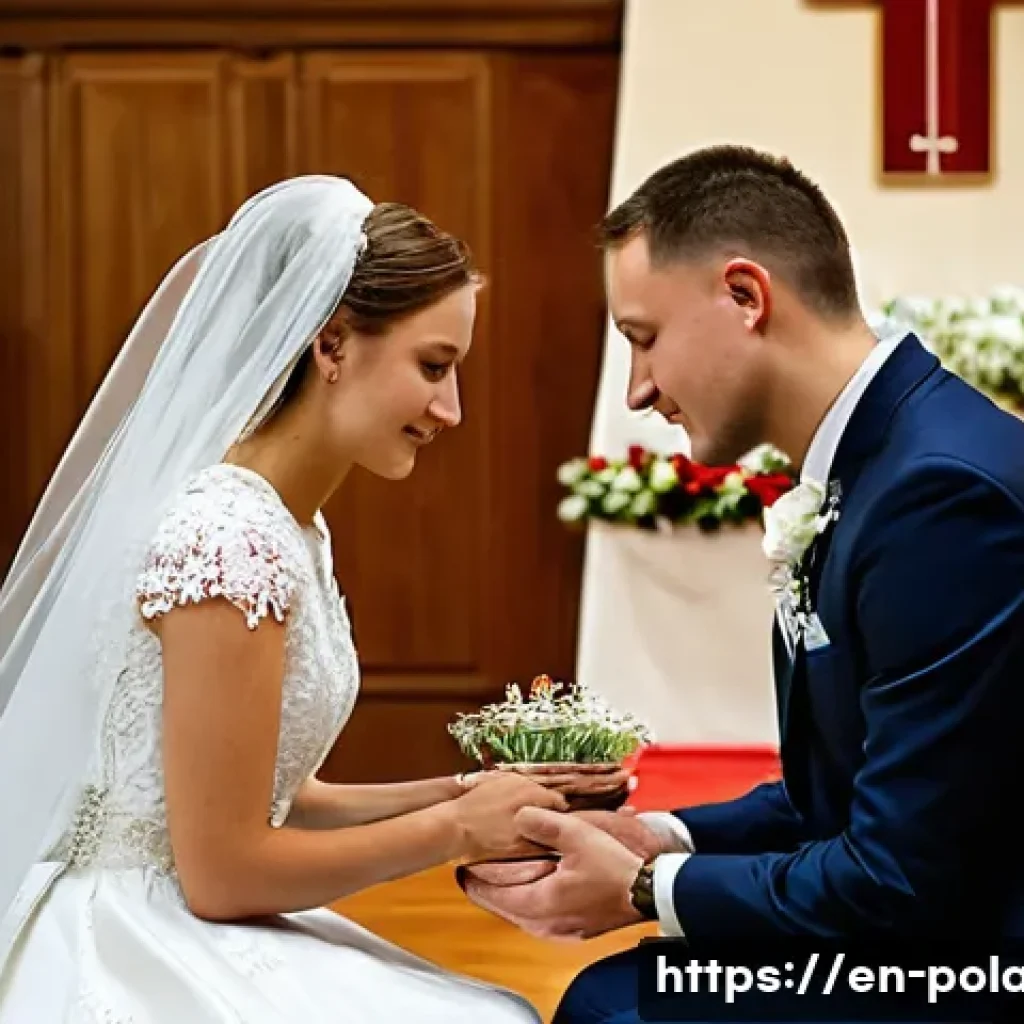
I had heard about it, of course, but experiencing it firsthand was something else entirely. Imagine the bride and groom, kneeling before their parents, receiving heartfelt prayers, advice, and blessings for their future together.
The parents sprinkle holy water, offer a cross, and share words of wisdom that have been passed down through generations. I remember watching one mother gently caress her daughter’s face as she spoke, and you could just feel the decades of love and hopes pouring into that single instant.
It’s deeply rooted in the strong Catholic traditions of Poland, but even if you’re not religious, the sheer humanity and love radiating from that ritual are undeniable.
It truly grounds the couple, reminding them of the foundation of family and support they have as they embark on this new chapter. It’s a powerful reminder that marriage isn’t just about two people, but the joining of two families, and it sets such a beautiful, respectful tone for the day.
This moment, often taking place at the bride’s home before heading to the church, felt like the sacred heart of the entire event, truly connecting past, present, and future generations in a beautiful continuum of love and family values.
It was a beautiful, almost ethereal experience, and one that resonates deeply with me even now as I recall the tenderness and sincerity of the families involved.
Bread, Salt, and Vodka: Welcoming the Newlyweds
After the solemnity of the church ceremony, the reception entrance felt like an explosion of joy and another deeply symbolic tradition: the bread, salt, and vodka welcome.
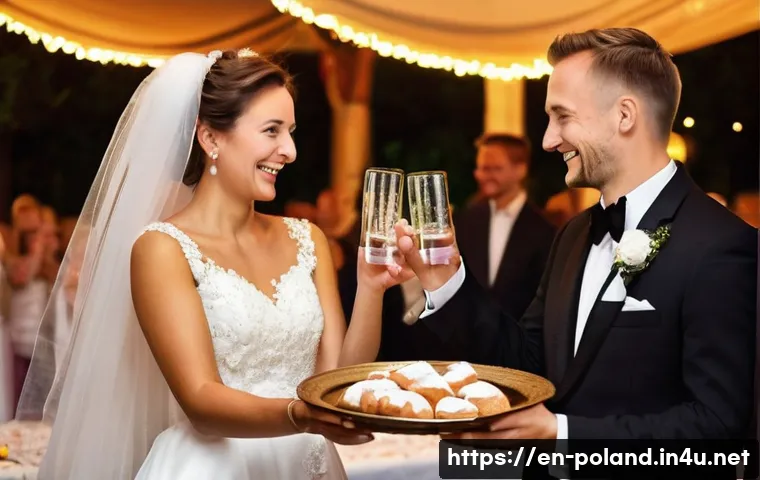
This is such a quintessentially Polish greeting for the newlyweds, and it’s packed with meaning. The parents, usually the mother of the groom, present the couple with a loaf of bread, a sprinkle of salt, and two glasses, one with vodka and one with water.
The bread symbolizes prosperity and that the couple will never go hungry. The salt represents life’s difficulties, reminding them that they must learn to cope with challenges together.
And then there’s the delightful twist with the glasses! The belief is, whoever drinks the vodka will be the head of the household, while the one who gets the water will be more submissive.
I saw one couple slyly switch glasses with a wink, while another embraced the surprise with laughter, both outcomes met with cheers and applause from the guests.
It’s such a fun, lighthearted way to transition from the formality of the ceremony to the joyous party that’s about to unfold, while still honoring deep-seated customs.
The whole ritual creates this incredible sense of anticipation and excitement, setting the stage for an unforgettable night of celebration. It really brings home the idea that a Polish wedding is not just an event; it’s a series of beautifully orchestrated moments, each carrying its own weight of tradition and love.
Feast for the Senses: Polish Wedding Cuisine & Toasts Galore
Culinary Delights: A Spread Fit for Royalty
If there’s one thing a Polish wedding does right, it’s the food. Oh. My.
Goodness. The sheer abundance and incredible quality of the dishes served at these receptions are just astounding! I genuinely don’t think I’ve ever seen such a lavish spread.
From the moment you walk in, the tables are groaning under the weight of deliciousness. You’ll find everything from traditional *rosół* (a clear chicken noodle soup that warms your soul) to succulent roasted meats like pork loin and duck, often served with a variety of rich sauces.
And let’s not forget the pierogi! There are always platters of handmade pierogi, filled with everything imaginable – potato and cheese, meat, cabbage and mushrooms, even sweet ones.
I practically made a meal out of just the pierogi one night, they were that good. Then there’s bigos, the hunter’s stew, bubbling away, rich with sauerkraut, various meats, and spices.
The cold cuts and salads spread out like an artistic mosaic, and the pastries… don’t even get me started on the pastries! Mountains of delectable cakes, cheesecakes, and smaller, intricate desserts that make your eyes widen with delight.
It’s not just about quantity; it’s about the heart and soul put into preparing these traditional dishes, often by family members or trusted local caterers who truly understand authentic Polish flavors.
Every bite felt like a taste of Polish culture and hospitality, a testament to the idea that no guest should ever leave hungry. I felt completely spoiled, in the best possible way, by the incredible culinary journey.
The Art of the Toast: “Sto Lat!” and Beyond
Beyond the incredible food, the toasts at a Polish wedding are an event in themselves. This isn’t just a quick clink of glasses; it’s a vibrant, sometimes boisterous, expression of love and well wishes.
The most iconic, of course, is “Sto Lat!”, which means “100 years!” – wishing the couple a century of health and happiness. But it’s not just said once; it echoes through the reception hall, sung heartily by all the guests, often multiple times throughout the night.
I found myself singing along, even though my Polish isn’t perfect, just swept up in the joyous energy. What struck me was the informality and genuine warmth of it all.
It’s not just the best man or maid of honor; uncles, aunts, friends, even cousins will stand up, sometimes unprompted, to share a story, a joke, or a heartfelt sentiment about the couple.
There’s a beautiful balance between reverence for the tradition and a spontaneous, lighthearted atmosphere. And let’s not forget the “Gorzko, Gorzko!” chant!
This literally means “Bitter, Bitter!” and it’s a playful demand for the bride and groom to kiss to make the “bitterness” go away. The longer they kiss, the louder the cheers!
It’s such a fun way to get everyone involved and add to the festive, celebratory mood. These toasts, filled with laughter, tears, and a whole lot of “Sto Lat!”, truly embody the spirit of Polish hospitality and celebration, making everyone feel like a cherished part of the newlyweds’ journey.
It really adds to the vibrant atmosphere and makes the whole experience feel incredibly communal and full of shared joy.
Dance, Sing, Celebrate: The Heartbeat of a Polish Party
Polka, Oberek, and More: Dancing Through the Night
If you thought Polish weddings were all about quiet traditions, prepare for a delightful shock when the music starts! Polish wedding receptions are legendary for their high-energy, non-stop dancing.
I mean, seriously, the dance floor is never empty. You’ll hear a fantastic mix of traditional Polish folk tunes, often played by a live band that gets everyone on their feet, alongside popular modern hits.
The polka is, of course, a staple, with its lively, infectious rhythm, but you’ll also see the graceful *oberek* and other regional dances that truly showcase the richness of Polish culture.
What I absolutely loved was how inclusive it all felt. Grandparents were dancing with grandchildren, cousins were swirling with friends – it didn’t matter if you were a seasoned dancer or had two left feet; everyone was encouraged to join in the fun.
The band leaders, or *kapela*, are absolute masters at reading the room, keeping the energy levels soaring, and seamlessly transitioning between different styles.
I watched in awe as couples moved with such effortless joy, their faces alight with happiness. It’s not just about the steps; it’s about the communal experience of moving together, celebrating love, and letting loose.
I found myself pulled onto the dance floor more times than I can count, laughing and trying to keep up, and honestly, it was one of the most liberating and joyous dance experiences I’ve ever had.
It truly embodies the spirit of shared happiness.
Engaging the Guests: Games and Group Fun
Beyond the fantastic dancing, Polish weddings are also known for their delightful array of games and interactive activities designed to keep guests entertained and engaged throughout the long celebration.
These aren’t just silly party games; many have traditional roots and bring a lot of laughter and camaraderie. One of the highlights is often the ” oczepiny,” which is a whole segment of the reception usually held around midnight.
While it has some older, more symbolic elements that mark the bride’s transition into married life, it’s also a time for fun and games. This is where the bride traditionally throws her veil and the groom throws his tie (or sometimes a bowtie), and whoever catches them is believed to be the next to marry.
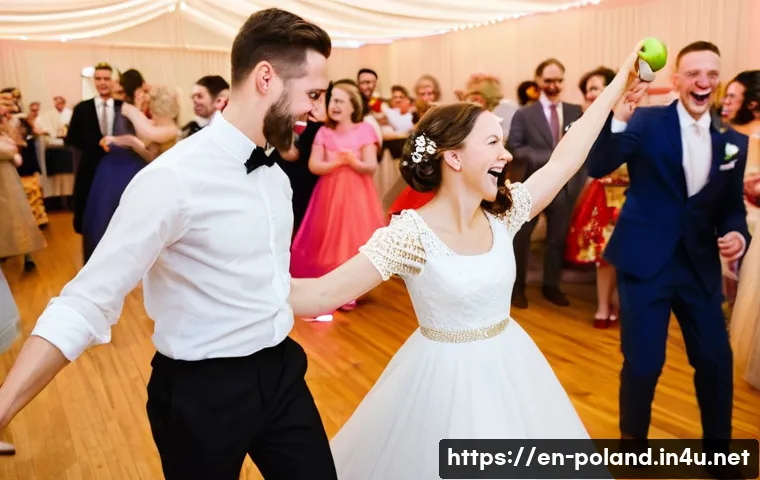
But the games extend beyond this, with things like musical chairs, trivia about the couple, or even spontaneous singing contests. I recall one game where couples had to dance holding an apple between their foreheads – it was hilarious and brought so many giggles and playful competition.
The hosts, often referred to as a “wodzirej,” are incredibly skilled at orchestrating these moments, ensuring everyone feels comfortable participating and that the energy remains high.
It truly creates a vibrant, inclusive atmosphere where everyone feels like they’re a part of the celebration, not just spectators. These interactive elements are genius for keeping the party going strong, often into the early hours of the morning, and they really cement that feeling of shared joy and community.
Bridal Beauty & Symbolism: More Than Just a Dress
Traditional Attire with a Modern Flair
When it comes to bridal fashion in Poland, it’s a beautiful blend of respecting age-old elegance while embracing contemporary styles. Of course, the quintessential white gown is paramount, often featuring intricate lace details, delicate embroidery, and sometimes even a touch of traditional regional motifs, subtly woven into the design.
What I found particularly fascinating was the emphasis on quality and craftsmanship. Polish brides often choose gowns that are not just beautiful but also comfortable enough to dance in for hours – a crucial detail given the energetic nature of the receptions!
While you might not see the elaborate folk costumes of old as the main wedding attire, designers frequently draw inspiration from these historical garments, incorporating elements like delicate floral embroidery or specific silhouettes into modern designs.
I noticed a strong preference for classic, timeless looks that exude sophistication, often paired with a stunning veil or a floral headpiece that feels both traditional and fresh.
The bridesmaids often wear coordinating dresses, sometimes in a vibrant color that pops against the bride’s white, adding another layer of visual beauty to the procession.
It’s a testament to how Polish culture beautifully preserves its heritage while remaining stylish and relevant, ensuring every bride feels like a true queen on her special day, honored by both tradition and modern aesthetics.
The Significance of Every Detail
Beyond the gown itself, every detail of a Polish bride’s ensemble and the wedding decor often carries layers of symbolism, even if subtly integrated into modern celebrations.
For instance, flowers play a huge role, not just for their beauty but for their traditional meanings. White flowers, particularly lilies or roses, are popular for their associations with purity and new beginnings.
The bridal veil, for example, while a common element in Western weddings, carries a particular significance in Polish tradition, symbolizing modesty and protection for the bride as she transitions into married life.
Even the choice of jewelry can reflect family heirlooms or traditional designs, passed down through generations. I remember noticing how thoughtfully everything was put together, from the meticulously arranged floral centerpieces to the tiny favors given to guests, often a small sweet or a personalized trinket.
These aren’t just decorative choices; they’re often imbued with wishes for good fortune, happiness, and fertility for the couple. It’s a subtle yet powerful way to connect the modern celebration with centuries of cultural heritage, making the entire event feel deeply meaningful and resonant.
It’s truly incredible how much thought and intention goes into making every single aspect of the day reflect hopes and blessings for the newlyweds.
Unexpected Twists & Modern Takes on Ancient Rites
Blending Old and New: Personalizing the Traditions
What truly enchanted me about Polish weddings wasn’t just the adherence to tradition, but the brilliant way modern couples are personalizing these ancient rites.
It’s not about discarding the past; it’s about making it their own, weaving in contemporary touches that reflect their unique personalities while still honoring their roots.
For example, while the church ceremony remains central for many, I saw couples incorporate personalized vows that added a deeply intimate layer to the solemnity.
The traditional “oczepiny” ceremony, with its symbolic elements, sometimes gets a modern twist, becoming more of a playful event with modern music and interactive games that appeal to a younger crowd, yet still retaining its core meaning of transition.
Even the extensive menu might include a fusion dish or a signature cocktail that tells a story about the couple’s travels or shared interests. I noticed some couples opting for destination weddings that still included the parental blessing or the bread and salt welcome, demonstrating how these cherished customs can travel and adapt.
It’s a wonderful evolution, showing that tradition isn’t rigid but rather a living, breathing entity that can be shaped and molded by each generation.
This flexibility allows for truly unique celebrations that feel both deeply rooted and refreshingly contemporary, ensuring that the essence of Polish culture thrives in new and exciting ways.
Practical Tips for Planning Your Own Polish Celebration
If you’re dreaming of incorporating some of these incredible Polish traditions into your own wedding, or even planning a full-blown Polish celebration, I’ve gathered a few insights that might come in handy.
First, embrace the length! Polish weddings are often multi-day affairs, especially with the “poprawiny” the day after, so mentally prepare for a marathon of joy, not a sprint.
Consider hiring a wedding planner who specializes in cultural weddings or has experience with Polish customs; their expertise will be invaluable in navigating the nuances.
Don’t be afraid to communicate openly with your families about which traditions are most important to you and how you envision integrating them. For the food, if you’re not in Poland, seek out authentic Polish caterers or even passionate home cooks who can deliver those incredible traditional flavors – it makes all the difference!
For the music, a good band or DJ who can mix traditional Polish tunes with international hits is key to keeping everyone dancing. And remember, the parental blessing, the bread and salt welcome, and the “Sto Lat!” toasts are relatively easy to incorporate and add so much authentic charm, no matter where you are in the world.
Most importantly, allow yourselves to fully immerse in the joy and the communal spirit. It’s these shared moments of celebration that truly make a Polish wedding an unforgettable experience for everyone involved, a true celebration of love, family, and heritage.
Crafting Your Own Polish-Inspired Celebration
Embracing Cultural Elements Globally
One of the most beautiful takeaways from my deep dive into Polish weddings is how universally appealing and adaptable these traditions are. You don’t have to be in Poland to infuse your special day with the warmth, joy, and deep cultural significance of a Polish celebration.
I’ve seen countless examples of couples living abroad who, wanting to honor their heritage or simply enchanted by the customs, lovingly weave Polish elements into their weddings.
Imagine the surprise and delight of guests experiencing a “Sto Lat!” toast for the first time, or the heartfelt emotion of a parental blessing happening in a backyard in California.
The core values—family, community, hospitality, and enduring love—are universal, making these traditions seamlessly transferable across cultures and continents.
It’s about picking the elements that resonate most with you and your partner, whether it’s the symbolic bread and salt welcome, the vibrant folk music for dancing, or the rich culinary spread.
You can honor your roots or simply embrace a culture that speaks to your heart, creating a wedding that is uniquely yours while drawing from a rich tapestry of global customs.
It’s a wonderful way to teach your friends and family about a culture you cherish, making the celebration even more meaningful and memorable for everyone involved.
Finding Authentic Polish Touches
For those looking to truly capture the essence of a Polish wedding, seeking out authentic touches can make all the difference. This goes beyond just knowing the traditions; it’s about finding the right people and resources to bring them to life.
If you’re not in Poland, start by looking for Polish cultural centers or community groups in your area; they can be a treasure trove of recommendations for everything from caterers specializing in *pierogi* and *bigos* to bands that play traditional folk music.
Don’t underestimate the power of word-of-mouth within the Polish diaspora – often, the best vendors are found through personal connections. For attire, while modern gowns are beautiful, consider looking for designers who incorporate traditional Polish embroidery or lace styles, or perhaps a beautiful floral headpiece inspired by regional folk art.
When it comes to the blessing, speaking with family elders about how it was done in their time can provide invaluable insights and add a deeply personal, heartfelt touch.
Even small details, like offering a shot of *nalewka* (traditional Polish liqueur) as a welcome drink, or including a classic Polish cake like *sernik* (cheesecake) or *makowiec* (poppy seed roll) in your dessert spread, can transport your guests straight to the heart of Poland.
These authentic touches not only honor the culture but also create a truly immersive and unforgettable experience for everyone celebrating with you.
The “Poprawiny”: Keeping the Party Alive and Well
The After-Party That’s Almost as Big as the Main Event
You know, just when you think the celebration couldn’t get any grander, Polish weddings introduce you to the “Poprawiny” – the incredible day-after party!
I’d heard whispers about it, but experiencing it was like discovering a hidden gem. This isn’t just a casual brunch; it’s practically a second wedding reception, often just as lively, if not more so, because everyone is completely relaxed.
The formality of the wedding day gives way to a more laid-back, yet still immensely festive atmosphere. Guests gather again, often at the same venue or a slightly different one, to continue the feasting, dancing, and general merriment.
It’s a chance for everyone to catch up, share stories from the previous night, and just bask in the glow of the newlywed couple’s happiness without the pressure of the main event.
For the couple, it’s a wonderful opportunity to spend more quality time with their loved ones, especially those who traveled long distances, and to truly savor the beginning of their married life.
The food is typically just as abundant, often featuring leftovers from the wedding feast alongside newly prepared, lighter fare, and, of course, plenty of drinks to keep the conversations flowing and the spirits high.
I genuinely loved this aspect, as it extended the joy and allowed for even deeper connections to be forged among guests and with the couple.
Why the Party Doesn’t Stop: A Cultural Deep Dive
The existence of the Poprawiny speaks volumes about Polish hospitality and the cultural importance placed on celebration and community. It’s more than just an excuse to keep the party going; it’s deeply ingrained in the Polish psyche to ensure that guests are thoroughly welcomed, fed, and entertained, often for days.
Historically, weddings were massive community events, and the celebration organically extended as families traveled from afar and communities came together to rejoice.
The Poprawiny acts as a natural extension of this, allowing everyone ample time to socialize, dance off the previous night’s indulgences, and simply enjoy each other’s company without the structured timeline of the wedding day.
It solidifies the bonds created during the main event and ensures that the newly joined families have even more opportunities to connect and celebrate their new union.
From a practical standpoint, it also helps with the incredible amount of food prepared; nothing goes to waste when there’s a second full day of feasting!
I felt this truly underscored the generosity and warmth of Polish culture, where celebration isn’t a fleeting moment but a prolonged, heartfelt expression of joy and togetherness.
It truly felt like an embrace from the entire community, wishing the couple well for their future.
More Than Just a Party: The Heart of Polish Tradition
Connecting Generations Through Shared Joy
What really stuck with me after experiencing these incredible Polish weddings is how they serve as a powerful bridge between generations. It’s not just about the bride and groom; it’s a profound family event where grandmothers teach their granddaughters old songs, where fathers share a knowing look with their sons, and where stories are passed down through laughter and tears.
The traditions, from the parental blessing to the “oczepiny,” aren’t just quaint customs; they are living threads that weave the fabric of family history.
I watched as young children, wide-eyed, observed their elders dancing the polka, absorbing the rhythms and rituals that will one day be theirs to carry forward.
This intergenerational connection is something truly special, a vibrant continuity that reminds everyone of where they come from and the rich heritage they share.
In our fast-paced world, where traditions can sometimes feel sidelined, Polish weddings stand out as a beautiful testament to the enduring power of family bonds and the joy of shared cultural identity.
It felt like every guest, from the youngest to the oldest, played a vital role in celebrating not just the couple, but the very essence of Polish family and community, reinforcing a sense of belonging that is truly heartwarming.
The Enduring Spirit of “Wesele”
The Polish word for wedding, “wesele,” perfectly encapsulates the spirit of these celebrations – it means “joy” or “merriment.” And truly, joy is at the absolute core of every Polish wedding I’ve witnessed.
It’s an effervescent, infectious happiness that permeates every dance, every toast, and every shared meal. It’s a deep-seated belief that love deserves to be celebrated with unrestrained enthusiasm, surrounded by an abundance of food, music, and the people who matter most.
This isn’t just an event to get through; it’s a genuine outpouring of love and well-wishes for the couple, and a vibrant affirmation of life itself. The energy is simply contagious, making even outsiders like me feel completely at home and part of the extended family.
From the solemn moments of blessing to the wild abandon on the dance floor, there’s a beautiful authenticity that shines through. It’s a powerful reminder that while cultures may differ in their expressions, the universal language of love and celebration truly brings us all together.
The “wesele” isn’t just a party; it’s an immersive cultural experience that celebrates new beginnings with unparalleled gusto and warmth, leaving an indelible mark on everyone lucky enough to be a part of it.
Planning Your Polish Wedding Journey
Key Elements to Consider for an Authentic Experience
So, if you’re thinking about diving headfirst into the magic of a Polish wedding, whether you’re of Polish heritage or just captivated by the culture, there are a few key elements you’ll absolutely want to nail down to ensure an authentic and unforgettable experience.
First off, food is paramount. Seriously, invest in quality, traditional Polish catering. Think bigos, pierogi, kotlet schabowy, and plenty of pastries.
This isn’t just sustenance; it’s a cornerstone of the hospitality. Secondly, the music needs to hit that sweet spot between traditional folk tunes that get everyone polka-ing and modern hits to keep the younger crowd happy.
A live band with a strong *wodzirej* (emcee) is often ideal for this. Then, there’s the duration. A true Polish wedding often spans two days, including the “Poprawiny,” so factor that into your planning and budget.
Don’t forget the symbolic gestures like the parental blessing and the bread and salt welcome – they are emotionally powerful and deeply meaningful. Finally, embrace the communal spirit.
Polish weddings are about bringing people together, fostering connection, and ensuring everyone feels like family. It’s about creating a warm, inviting atmosphere where everyone can let loose and celebrate.
Taking these elements seriously will transform your event from a simple wedding into a truly immersive Polish *wesele*.
Navigating Customs and Modernity
Navigating the rich tapestry of Polish wedding customs while also wanting to incorporate modern touches can feel like a balancing act, but it’s entirely doable and often results in the most memorable celebrations.
My best advice? Communication is key. Talk openly with your partner and both families about which traditions are most significant to everyone.
Perhaps one family cherishes the parental blessing above all else, while another is most excited about the “Poprawiny.” You don’t have to include every single custom, but choosing the ones that resonate most deeply with you as a couple will make the day feel authentic and personal.
Don’t be afraid to put your own spin on things – for instance, modernizing the “oczepiny” games or incorporating a favorite non-Polish song into the dance repertoire.
Many couples find joy in blending a traditional church ceremony with a more contemporary reception venue or decor. The beauty of Polish traditions is their inherent warmth and flexibility; they are designed to bring people together and celebrate love.
By thoughtfully selecting and personalizing these elements, you can create a wedding that honors your heritage or your chosen cultural connection, while still feeling uniquely “you.” It’s about creating a celebration that respects the past while joyfully stepping into the future together, building new traditions on old foundations.
| Traditional Element | Symbolic Meaning | Modern Interpretation/Adaptation |
|---|---|---|
| Parental Blessing | Blessings, wisdom, family foundation | Often held privately or with close family; personalized words of advice. |
| Bread & Salt Welcome | Prosperity, life’s challenges, shared future | Maintained as an important reception entrance ritual, sometimes with playful twists. |
| “Sto Lat!” Toast | Wish for 100 years of happiness | Universally sung, often multiple times, integrating seamlessly with modern music. |
| “Oczepiny” (Midnight Rituals) | Transition from maidenhood to married life, choosing next to marry | Often adapted into fun, interactive games like tossing the veil/tie, with less formal symbolism. |
| “Poprawiny” (Day-After Party) | Extended celebration, hospitality, community bonding | Often a more casual continuation of the festivities, allowing for relaxed socializing. |
Concluding Thoughts
And there you have it, dear readers! My journey through the vibrant world of Polish weddings has been nothing short of spectacular, an absolute feast for the senses and a profound experience for the heart. It’s more than just a ceremony; it’s a grand declaration of love, family, and community that embraces every guest with unparalleled warmth and generosity. From the solemn, tear-inducing parental blessings to the boisterous “Sto Lat!” chants and the endless whirl of the dance floor, every moment is meticulously crafted yet feels incredibly spontaneous and genuine. I truly hope my personal anecdotes and insights have painted a vivid picture for you, inspiring you to either plan your own Polish-inspired celebration or simply appreciate the deep cultural tapestry that makes these weddings so uniquely captivating. It’s an immersive experience that stays with you long after the last dance, reminding you of the universal joy found in shared traditions and heartfelt connections.
Useful Information to Know
1. Embrace the Length: Polish weddings, especially with the “Poprawiny” (day-after party), are often multi-day affairs. Pace yourself and be ready for a marathon of celebration, not a sprint!
2. Come Hungry, Leave Happy: The food spread is legendary for its abundance and deliciousness. Don’t be shy about trying everything from pierogi to bigos – it’s a culinary adventure!
3. Dancing Shoes are Essential: The dance floor is the heart of the party. Comfortable shoes are a must, as you’ll be on your feet for hours, twirling to polkas and modern hits alike.
4. Learn “Sto Lat!”: This iconic toast, wishing 100 years of happiness, will be sung often. Joining in, even if your Polish isn’t perfect, is a fantastic way to immerse yourself in the fun.
5. Cash is King (for gifts): While not mandatory, it’s very common and often preferred for guests to present cash gifts in an envelope to help the newlyweds start their new life together.
Summary of Important Points
At its core, a Polish wedding is a magnificent celebration steeped in rich traditions, brimming with incredible hospitality, and fueled by endless feasting and exhilarating dancing. It’s an immersive cultural journey that beautifully unites two families, honors heritage, and creates unforgettable memories for everyone involved. From the heartfelt parental blessing and the symbolic bread and salt welcome to the vibrant “Sto Lat!” toasts and the lively “Poprawiny,” every element reinforces the profound importance of community, love, and joyous togetherness. It truly is an experience that touches your soul and leaves you with a deep appreciation for Polish customs and the enduring spirit of “wesele.”
Frequently Asked Questions (FAQ) 📖
Q: So, what are the most captivating and perhaps surprising traditions you’ve seen at a Polish wedding?
A: Oh, where do I even begin? There are so many incredible moments, but a few truly stand out! The first has to be the Parents’ Blessing (Błogosławieństwo).
Before the church ceremony, the bride and groom receive heartfelt blessings from their parents at the bride’s home. It’s deeply emotional, with parents making the sign of the cross on their children’s foreheads and offering wishes for their future.
It’s such a poignant start, and I remember feeling a lump in my throat just witnessing that deep love and well-wishing. Then, upon arrival at the reception, the couple is greeted with Bread and Salt by their parents.
This isn’t just a snack; it’s packed with symbolism! The bread ensures they’ll never go hungry, and the salt reminds them that life has its challenges, but together, they can overcome anything.
This is often followed by a fascinating “vodka or water” toast, where the couple unknowingly picks a glass, and whoever gets the vodka is said to be the “leader” in the marriage.
Talk about a fun way to kick off the partnership! But the absolute showstopper for me is the Oczepiny ceremony at midnight. This “unveiling” traditionally marked the bride’s transition from maiden to married woman.
While historically it involved unbraiding and cutting the bride’s hair, today it’s a lively series of games and the symbolic throwing of the veil (like a bouquet toss!) and the groom’s tie to the unmarried guests.
It’s pure entertainment, full of laughter and often some wonderfully quirky games orchestrated by the band. I’ve seen some hilarious ones!
Q: How long does a typical Polish wedding celebration last, and what can guests expect regarding food and drink?
A: Get ready for an endurance test, in the best possible way! Polish weddings are renowned for their incredible length and hospitality. While modern urban weddings might be a bit shorter, traditional celebrations often last an entire day, easily 10-12 hours, and many even include a “Poprawiny” – a second day of festivities!
Yes, you read that right, two days of non-stop joy! The second day is usually a bit less formal but still packed with good cheer, food, and more drinks.
And let’s talk about the food – oh my goodness! You will never, EVER go hungry at a Polish wedding. It’s an absolute feast, a true reflection of Polish generosity.
Guests can expect multiple hot courses served throughout the night, often every 2-3 hours, alongside tables laden with cold appetizers, cheeses, meats, and traditional Polish delights like pierogi, kiełbasa, and bigos.
Seriously, just when you think you can’t eat another bite, another delicious hot dish appears! And the drinks? Vodka flows freely!
It’s practically a national sport, with countless toasts of “Gorzko, gorzko!” (bitter, bitter!) encouraging the newlyweds to kiss and “sweeten” their drinks.
As someone who loves a good spread, I can personally attest to the sheer abundance and quality of the food. It’s an experience in itself!
Q: Are these traditional Polish wedding customs still widely practiced today, or have they evolved with modern times?
A: That’s a fantastic question, and one I pondered a lot during my travels! What I’ve found is that while the core spirit of Polish wedding traditions remains incredibly strong, there’s definitely a beautiful blend of old and new happening, especially in larger cities.
Many couples today still embrace the most meaningful rituals like the Parents’ Blessing and the Bread and Salt welcome, as these carry deep cultural and emotional significance.
They truly root the celebration in heritage. However, some of the more elaborate or time-consuming traditions, or those that might have been a bit more “bawdy” in the past, are often streamlined or adapted.
For example, the Oczepiny ceremony might be a shorter, more generalized party game session rather than the full historical ritual. You’ll also see shifts in things like guest lists – while traditionally whole villages were invited, modern couples often opt for more intimate gatherings, though 100-150 guests is still pretty common!
What I really love is how couples are finding ways to honor their roots while making their wedding uniquely “them,” creating a perfect fusion of centuries-old customs with contemporary flair.
It shows that tradition isn’t static; it’s a living, breathing thing that adapts and thrives, bringing joy to new generations.